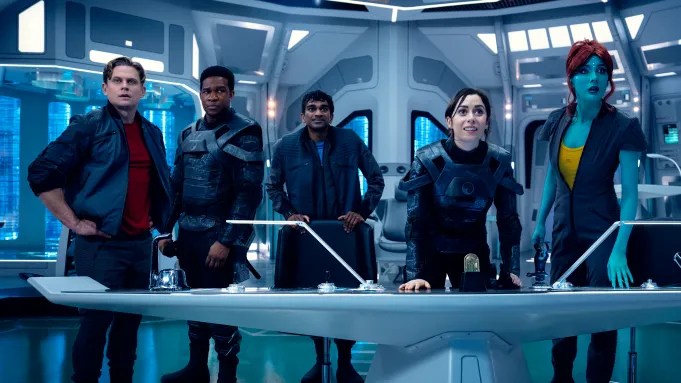
Image (Credit): Cast of Star Trek: Starfleet Academy in the series second season. (Paramount+)
“Season 1 is about letting go of who you were in the past to start again at Starfleet Academy…Season 2 is about thinking you knew who you were, only to realize that as you grow older that your life is going to go in directions you didn’t expect and you’re going to have to shift your perception of yourself.”
-Statement by Noga Landaux, co-showrunner ofthe television series Star Trek: Starfleet Academy, during the 2026 New York Comic-Con Star Trek Universe panel. The second and last season returns in March 2027. It is not clear why it is taking so long for the second season to drop given that filming wrapped up back in February. Could it mean that it still has a chance to be picked up again for a third season, or is that just wishful thinking?
Image (Credit): The crew from Black Mirror’s USS Callister. (Netflix)
“In Serling’s day, the atom bomb, civil rights, McCarthyism, psychiatry and the space race were of primary concern. Today he’d be writing about terrorism, the economy, the media, privacy and our relationship with technology…That’s what we’re aiming for with Black Mirror: each episode has a different cast, a different setting, even a different reality. But they’re all about the way we live now – and the way we might be living in 10 minutes’ time if we’re clumsy.”
-Statement by Charlie Brooker, creator of the Black Mirror series, as quoted by Collider. Season 8 of the series will premiere on Netflix shortly. The series has been very timely as we deal with new technologies, social media, and now artificial intelligence. You might also recall two earlier episodes with the USS Callister, which was a clever and dark mimicking of Star Trek. Another good episode, called “Beyond the Sea,” also dealt with space travel. Hopefully, we will get a least one more space-related episode out of the new season.
If The Mandalorian and Grogu was not your favorite film this summer, you have plenty of time to prepare for the release of the original Star Wars film on its 50th anniversary. That’s right, it will be 50 years old next year.
The original Star Wars film was released on May 25, 1977. The re-release on IMAX will be available on February 19, 2027. You can sign up here to be notified when tickets become available in your area.
And if that’s not enough, next year will also see the release of Star Wars: Starfighter with Ryan Gosling. It will premiere on 28 May, 2027, the same week as the original film in 1977. Starflighter was filmed for IMAX screens, so that will be an option as well.
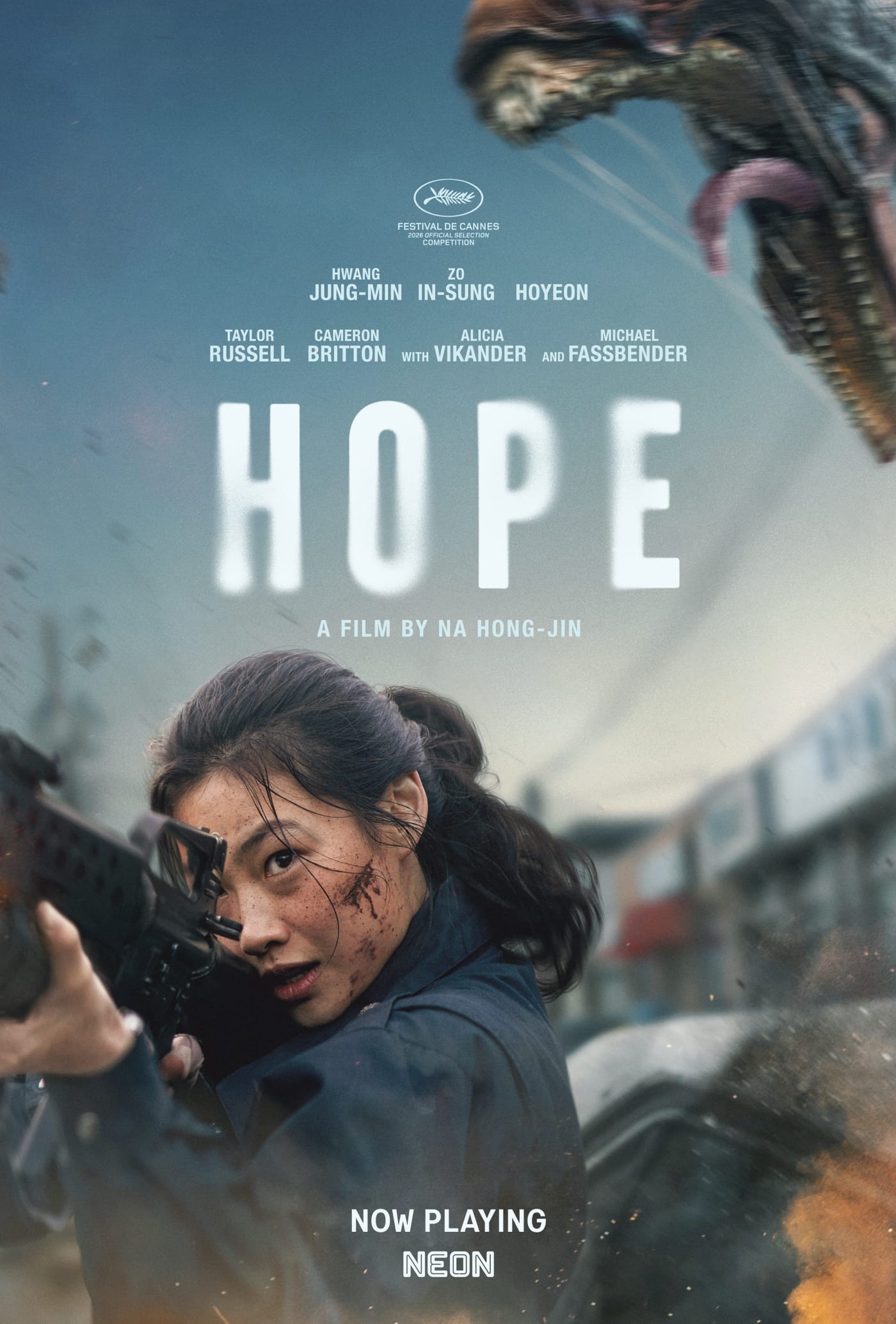
If you are still hoping for one more summer movie about space aliens (it was released on September 9th even if it is officially fall now), South Korean filmmaker Na Hong-jin has another one to add to your list. The movie, Hope, is a thriller set in a small South Korean town on the border with North Korea. While the residents look north for a fearsome foe, little do they know the foe is from above. That’s right – extraterrestrials.
This preview indicates there will be plenty of action, though in the movie itself the aliens do not show themselves until late in the film. Hope may satisfy your need for alien battles after Disclosure Day portrayed the visitors as ICE captives and TheMandalorian and Grogu proved to be a kiddie film. How American films went from Alien terror to teddy bears this past summer is anyone’s guess.
The film reviews are mixed at best, but still somewhat encouraging.
To work, Na’s film needed either more or less screen time for his aliens, and given their appearance, less would have been preferable. Still, action junkies and South Korean cinema fans will probably be able to look beyond the poor CGI better than I can, making it worth seeing, even admiring Hope, with caveats abounding.
It’s bold, provocative, and assured filmmaking that oscillates between moments of breathtaking cinematic prowess and satirical characterizations, whose coy rendering turns a mirror toward those who unconsciously lap up hollow action heroes when the far more intriguing story exists in plain sight.
To finish up the summer stretch, you should see it for yourself and decide.
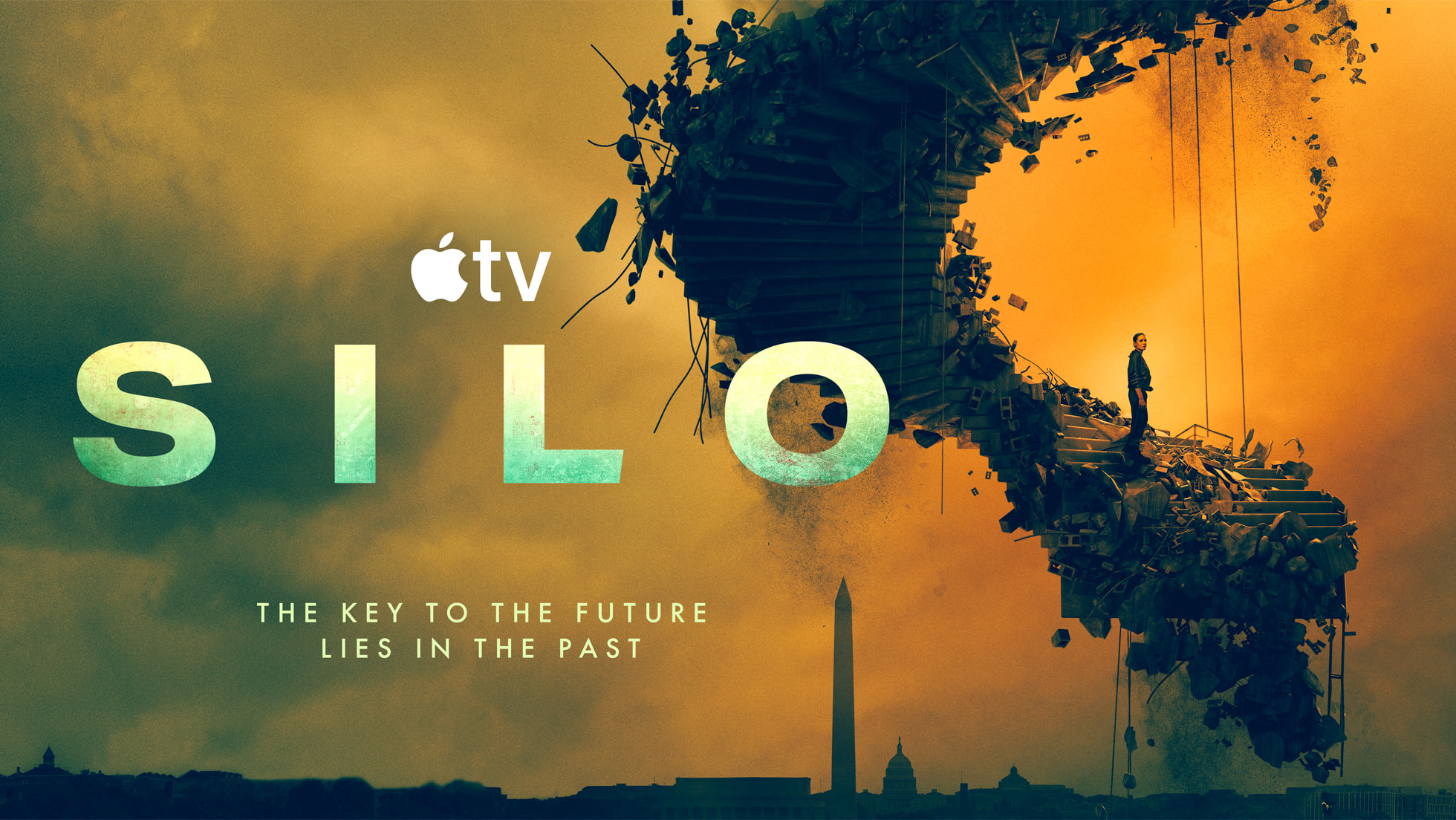
“It’s not like they’re writing the show and then having to come up with, ‘Oh, how to end this?’…This is a 40 episode story. So the ending… is very satisfying because it’s the end of a novel.”
–Statement by actor Ashley Zukerman, who plays Daniel Keene in the Silo television series, regarding the fourth and final season of the series coming out on July 9, 2027. If you missed the series, particularly season three, it is a show you need to watch. We talk about living in lava tubes on the Moon or Mars, but this show is about living in an underground silo for generations here on Earth after some pretty horrible terra-forming above. You can catch it on Apple TV.