A New Crew Departs for the ISS

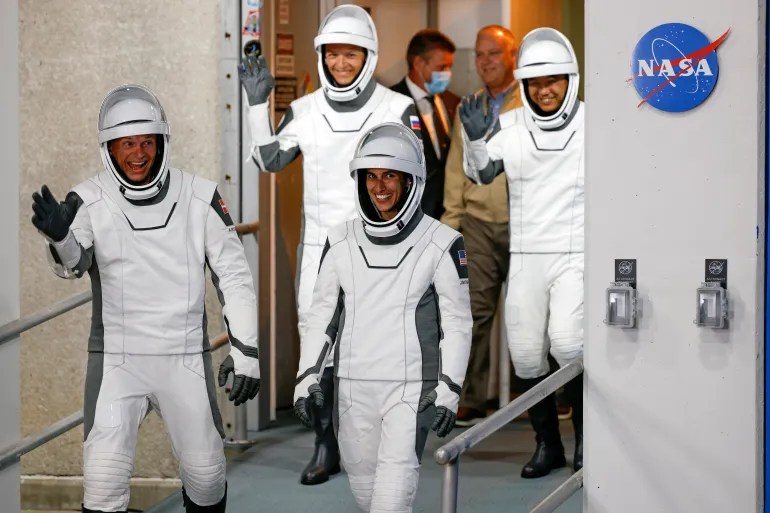
Image (Credit): ISS crew preparing for August 26, 2023 launch. (Terry Renna/AP Photo)

A new crew departed Earth for the International Space Station (ISS) at 3:27am ET today from NASA’s Kennedy Space Center in Florida via a SpaceX Falcon 9 rocket. The crew includes:

  • NASA astronaut Jasmin Moghbeli,
  • ESA (European Space Agency) astronaut Andreas Mogensen,
  • JAXA (Japan Aerospace Exploration Agency) astronaut Satoshi Furukawa, and
  • Roscosmos cosmonaut Konstantin Borisov.

The new crew should be onboard the ISS tomorrow morning, bringing the number of occupants at the station to 11 until 4 crew members return to Earth in a few days.

Russia is probably happy to have attention back on the ISS rather than the Moon for the moment. It has not been a good week for the Russian space program.

You can read more about the new crew members at this NASA site.
A Day in Astronomy: Launch of the Spitzer Space Telescope

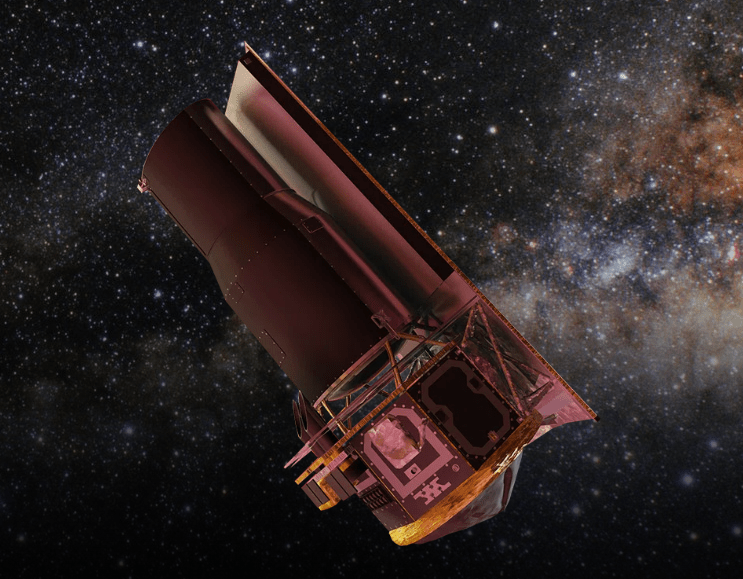
Image (Credit): Artist’s rendering of the Spitzer Space Telescope. (NASA/JPL)

On this day in 2003, NASA launched the Spitzer Space Telescope to conduct infrared astronomy. Spitzer continued to operate until January of 2020.

NASA’s Jet Propulsion Laboratory (JPL) noted some of the triumphs of the space telescope, including:

  • revealing a system of seven Earth-size planets around a star 40 light-years away;
  • creating an unprecedented map of the Milky Way;
  • directly observing light from a planet outside our solar system;
  • directly identifying molecules in the atmospheres of exoplanets; and
  • revealing Saturn’s largest ring.

An impressive list of accomplishments for any telescope.

You can read more about Spitzer at this NASA mission website as well as this JPL website.

Pic of the Week: Another View of the Far Side of the Moon

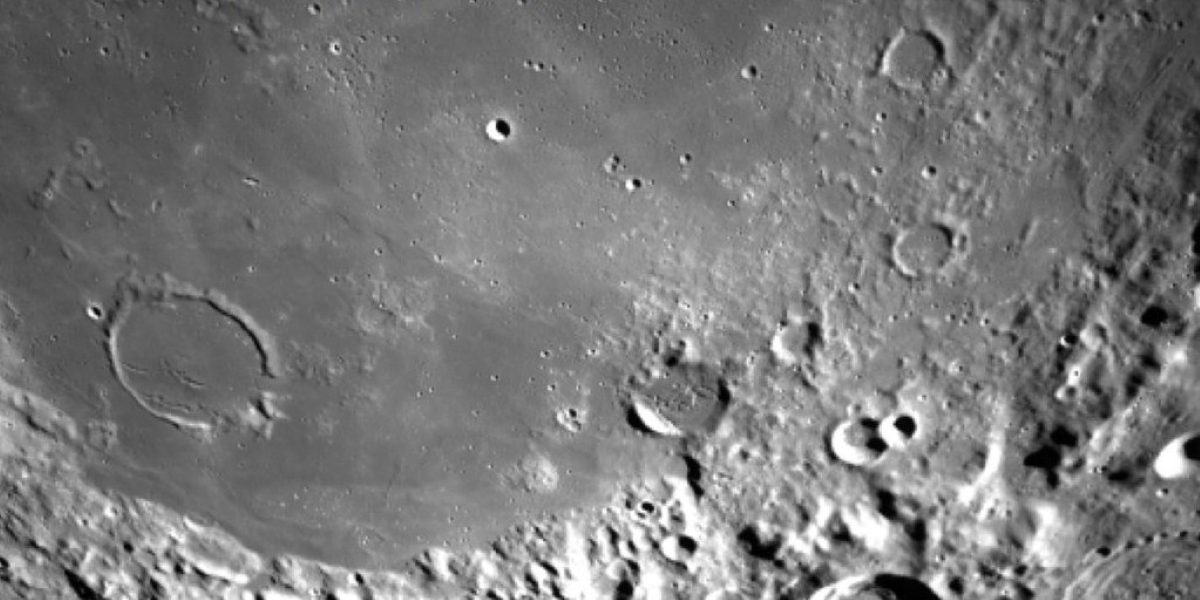
Image (Credit): Lunar surface as captured by India’s Chandrayaan-3 spacecraft. (ISRO)

This week’s image is an shot of the far side of the Moon captured by India’s Chandrayaan-3 spacecraft, which landed on the Moon yesterday. This was part of a set of photos posted to Twitter by the Indian Space Research Organization (ISRO). The various images were used by the spacecraft as it attempted to find a safe landing spot, which it fortunately found.

“India Is on the Moon”

Image (Credit): The ISRO mission control room celebrating the successful landing of the Chandrayaan-3 mission on the Moon. (ISRO)

Now that is a clear message from S. Somanath, chairman of the Indian Space Research Organization (ISRO). The Chandrayaan-3 spacecraft landed on the lunar surface at  8:34 am ET today.

India is now the fourth nation to land on the moon, not that other nations haven’t tried.

This victory is all the sweeter following Russia’s loss of the Luna-25 spacecraft. We needed some good news this week.

NASA Administrator Bill Nelson stated:

Congratulations ISRO on your successful Chandrayaan-3 lunar South Pole landing! And congratulations to India on being the 4th country to successfully soft-land a spacecraft on the Moon. We’re glad to be your partner on this mission!

NASA provided the mission with a passive laser retroreflector array for lunar ranging studies.

The mission rover (shown below) should be moving about south pole soon enough to start its experiments in the vicinity.

You can learn more about the mission and equipment at this ISRO site.

Credit: ISRO

We Await the Indian Moon Landing

Image (Credit): Images of the Moon from India’s Chandrayaan-3 spacecraft after it entered lunar orbit more than two weeks ago. (Indian Space Research Organisation)

We are down to one spacecraft approaching the Moon’s south pole – India’s Chandrayaan-3 mission, which is expected to land as early as tomorrow. This is India’s second try for a Moon landing after the loss of Chandrayaan-2, so fingers crossed. Chandrayaan-1 also sent a probe that impacted the Moon, but that was the plan.

We shall see if Indian patience beats Russian bravado.

India Prime Minister Modi put a possible spin on the past missions. Regarding Chandrayaan-1, he said:

Chandrayaan-1 is considered to be a path-breaker among global lunar missions as it confirmed the presence of water molecules on the moon. It featured in over 200 scientific publications around the world.

Even the failed second mission has its successes:

Chandrayaan-2 was equally pathbreaking because data from the Orbiter associated with it detected the presence of chromium, manganese and sodium for the first time through remote sensing. This will also provide more insights into the moon’s magmatic evolution. The key scientific outcomes from Chandrayaan 2 include the first ever global map for lunar sodium, enhancing knowledge on crater size distribution, unambiguous detection of lunar surface water ice with IIRS instrument and more. This Mission has featured in almost 50 publications.

I like the positive attitude.