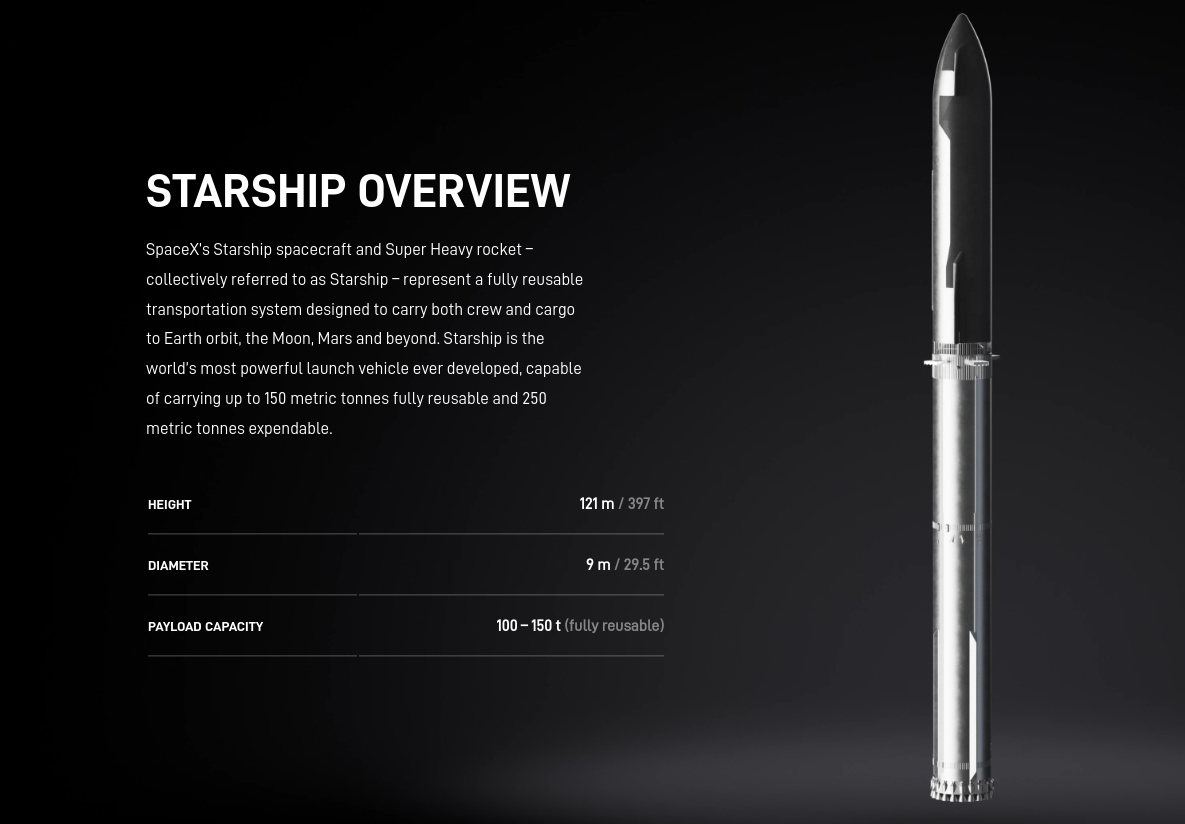
The Federal Aviation Administration has given SpaceX a green light to move forward with its next test of the Starship rocket. SpaceX may attempt the launch as soon as Saturday.
Let’s hope SpaceX can get back on track with its rocket. NASA is counting on the Starship as part of its Artemis III mission returning humans to the Moon, though recent delays have concerned all parties and may push off the Moon mission.
Image (Credit): A supernova emitting gamma rays. (NASA/Dana Berry/Skyworks Digital)
“The ozone was partially depleted — was destroyed temporarily.”
–Statement by Pietro Ubertini, an astronomer at the National Institute of Astrophysics in Rome, regarding supernova gamma rays that hit the Earth’s upper atmosphere in October 2022. The supernova explosion was 1.9 billion light-years away. You can read the paper on this event in Nature. An earlier paper stated that a gamma ray burst may have caused the Ordovician mass extinction about 440 million years ago, which killed off about two-thirds of all species.
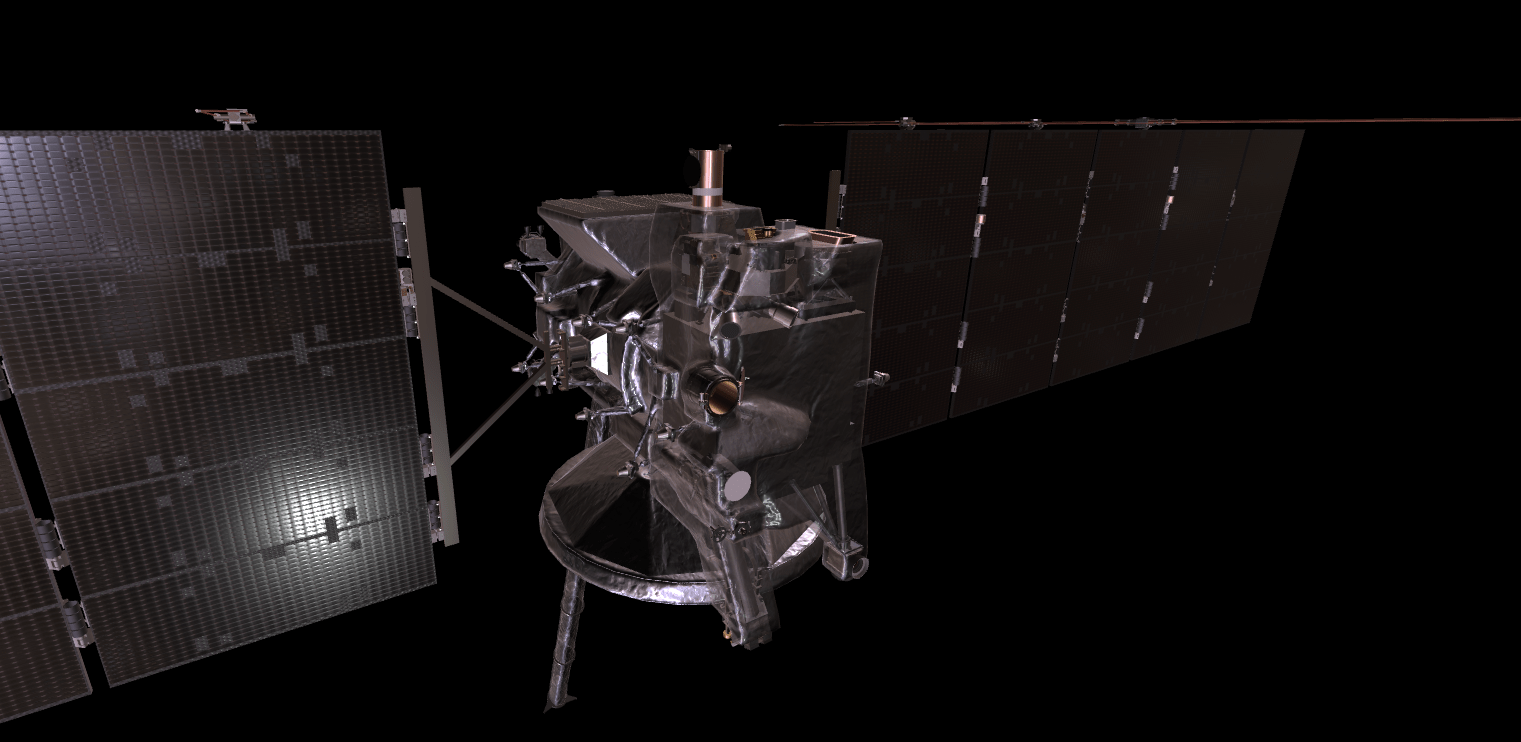
Six weeks remain for you to add your name to a microchip that will ride aboard the spacecraft as it explores Jupiter’s moon Europa. It’s not every day that members of the public have the chance to send their names into deep space beyond Mars, all the way to Jupiter and its moon Europa. But with NASA’s Europa Clipper, you have that opportunity: Names will ride aboard the spacecraft as it journeys 1.8 billion miles (2.6 billion kilometers) to this icy moon, where an ocean hides beneath a frozen outer shell. The deadline to join the mission’s “Message in a Bottle” campaign is only six weeks away. The campaign closes at 11:59 p.m. EST, Dec. 31, 2023.
That’s no moon. An astronaut’s tool bag that accidentally floated away during a routine spacewalk at the International Space Station is now orbiting Earth and may be bright enough to spot by keen-eyed skywatchers. The bag drifted away from the space station this month when NASA astronauts Jasmin Moghbeli and Loral O’Hara were performing maintenance on the exterior of the orbiting outpost.
China’s Shenzhou 16 astronauts have been growing vegetables aboard the Tiangong space station, as part of plans for future deep space exploration. Mission commander Jing Haipeng and rookie astros Zhu Yangzhu and Gui Haichao have been aboard Tiangong since late May and are due to return to Earth on Oct. 31, after handing over control of the station to the newly arrived Shenzhou 17 mission crew. Jing and company have spent time cultivating veggies using two sets of specialized equipment. The first started operation in June and has reaped four batches of lettuce. The second one was put into operation in August for growing cherry tomatoes and green onions.
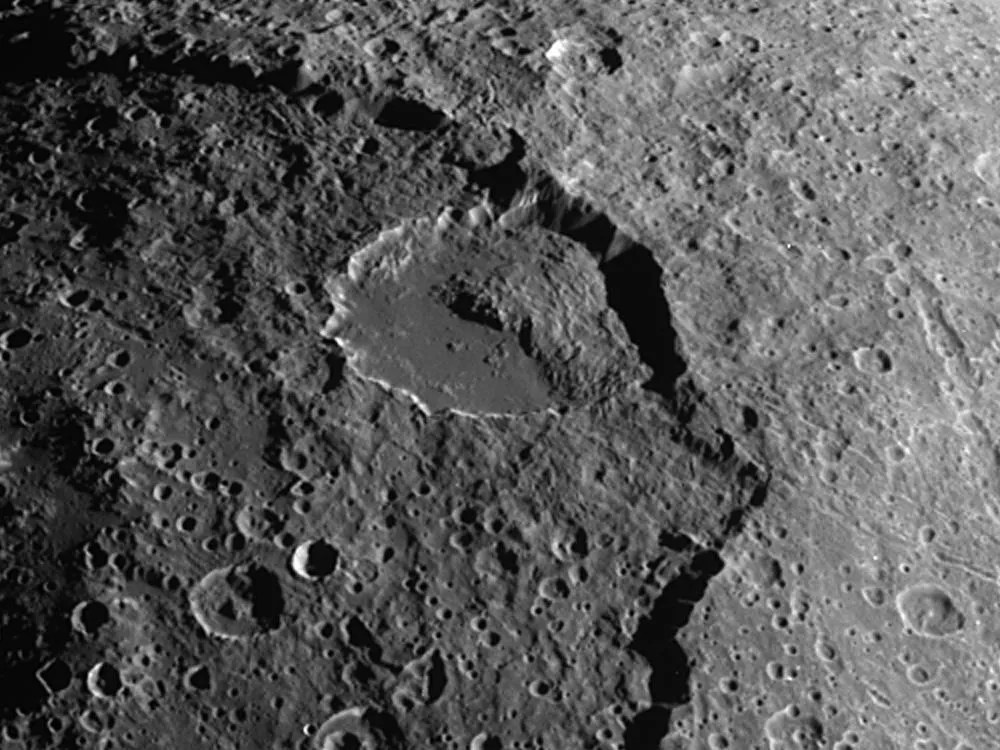
Take a look at the image above. Can you determine where this image originated? Take a guess and then check your answer by going to the “Where is This? The Answer Sheet” page.
If you are trying to learn more about the space programs at NASA, you can download the recently updated NASA+ app, which has a variety of videos and astronomy series to please anyone’s curiosity. For instance, check out the videos under “Scientific Wonders” to learn more about the James Webb Space Telescope, the New Horizons mission to Pluto, the Hubble Space Telescope, the Kepler Space Telescope, the OSIRIS-REx asteroid sample return, and much more.
This free app can bring you up to speed on the earlier space programs as well as provide updates on the latest missions. For example, you can watch the video showing yesterday’s docking of the SpaceX CRS-29 Cargo Dragon Resupply Craft with the International Space Program.
You cannot go wrong with this free app. You can read more about the updated NASA+ app here.



 Our Awesome Universe