
Here are some recent stories of interest.
—Aviation Week Network: “Safety Panel Raises Commercial Space Station Transition Concerns“
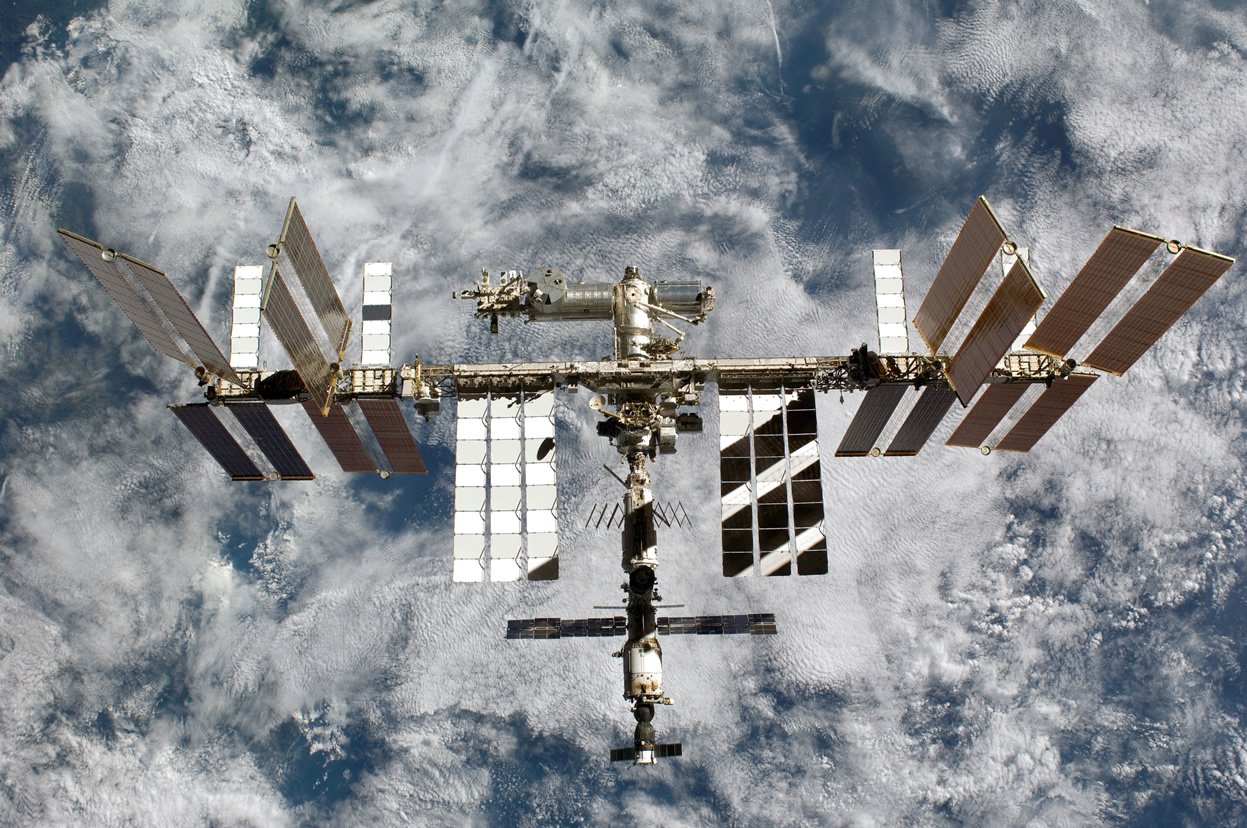
Concerns over a “very tight” timeline for NASA to transition human low-Earth-orbit operations from the International Space Station (ISS) to commercial successors tops a list of seven concerns raised by an agency safety panel. The latest annual report by NASA’s Aerospace Safety Advisory Panel’s (ASAP) was released Jan. 25. The 56-page report expresses concerns over sufficient evidence of a viable business case to make NASA one of multiple tenants of at least one ISS successor. The effort is currently supported by NASA and the European, Japanese, Russian and Canadian space agencies.
—Astronomy.com: “Vertex Moon Mission Getting Closer to Launch“
A new era in lunar research is coming, and Lunar Vertex is getting ready to lead the way. Lunar Vertex is NASA’s first so-called PRISM mission (Payloads and Research Investigations on the Surface of the Moon). PRISM taps into the Commercial Lunar Payload Services program that uses privately built landers to deliver NASA science and other payloads to the lunar surface. PRISM missions are meant to be lower-cost, faster-to-flight programs. There is a mass limit of just over 100 pounds (45 kilograms) — so the science instruments have to be small — and the budget for the first PRISM suite is just $30 million (excluding the lander and the launch vehicle). Lunar Vertex is first in line, and recently has hit a number of major milestones on its way to a June 2024 launch.
—NASA: “Shrinking Moon Causing Moonquakes and Faults Near Lunar South Pole“
As NASA continues to make progress toward sending astronauts to the lunar South Pole region with its Artemis campaign, data from a NASA-funded study is helping scientists better understand this strategic part of the Moon. The study presents evidence that moonquakes and faults generated as the Moon’s interior gradually cools and shrinks are also found near and within some of the areas the agency identified as candidate landing regions for Artemis III, the first Artemis mission planned to have a crewed lunar landing.
 Our Awesome Universe