
You may have been told that the earlier space program gave us Tang and Velcro. Well, that is not really true.
For instance, Tang was already at your local supermarket back in 1959. It was not until 1962 when Tang was taken into space with John Glenn on Friendship 7 and only then did it become a “space age drink” used by the Gemini through Apollo programs.
In the case of Velcro, it was invented by a Swiss engineer who based it on burrs that clung to the fur of his dog. Later on, NASA found it to be very useful for astronauts.
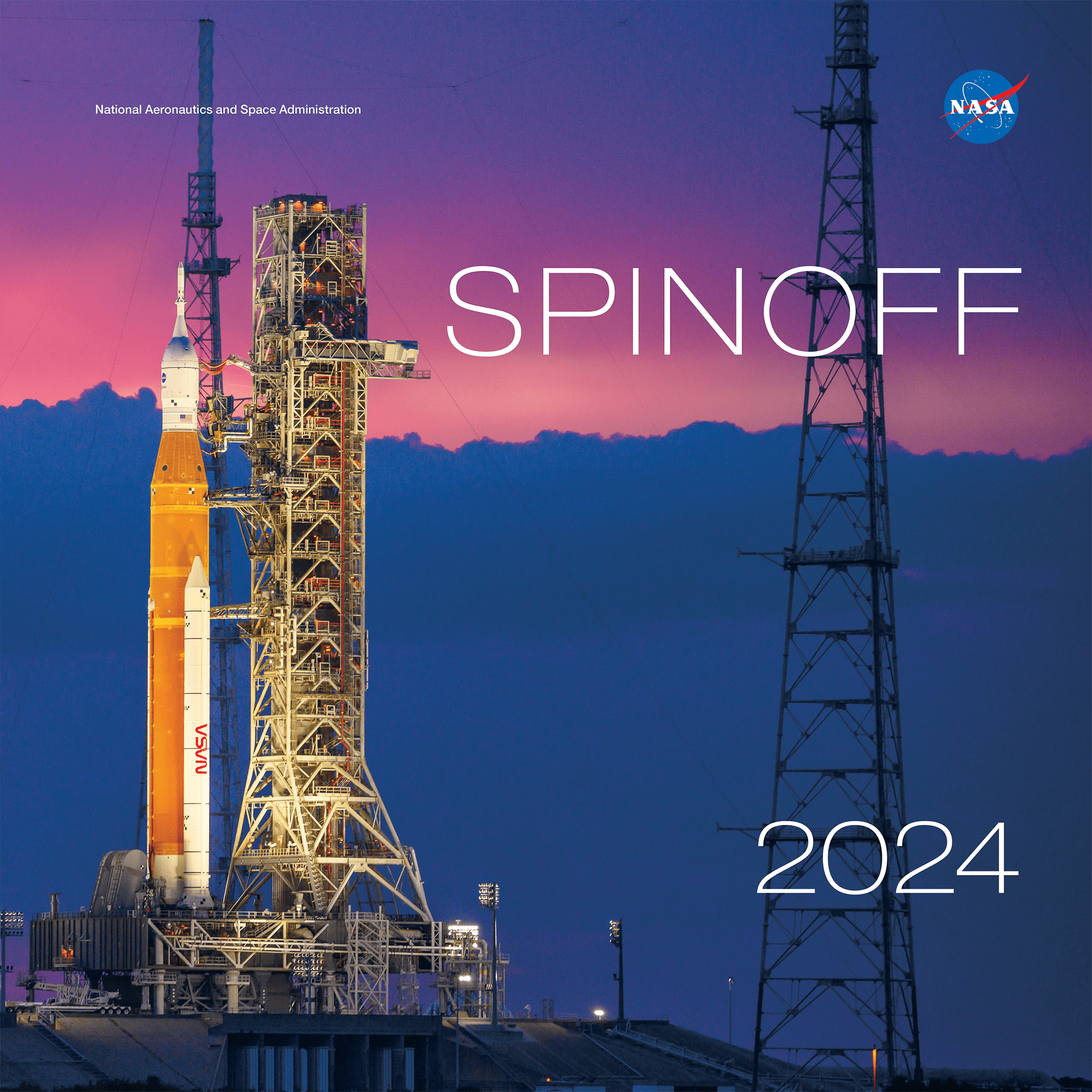
So what did NASA introduce to the world? Fortunately, NASA’s 2024 Spinoff report can provide you with plenty of answers. In an article on the report, NASA highlighted the following commercial applications of space technology:
- Spherical “squishy” robots capable of dropping into dangerous situations before first responders enter;
- “Digital winglets” aircraft-routing technology that’s enabling increased fuel efficiency and smoother flights;
- Lighter, more durable disc brake designs that produce less dust than traditional disc brakes;
- Computer software to help businesses and communities cope with and recover from natural disasters like wildfires; and
- New 3D printing methods to additively manufacture rocket engines and other large aluminum parts.
If you go to the full report, you can find other commercial applications that are more readily relatable to your everyday, including:
- NASA-funded molecular research enables better disease detection;
- Radiation-resistant microbe studied in space leads to fewer wrinkles, less sun damage on Earth;
- Technology pioneered for space plant-growth chambers cleans indoor air; and
- Materials for coating spaceplanes maintain comfort in outerwear, sports uniforms, jeans.
Take a look at the report yourself for more examples. It is full of good stories about how the space program can assist us here on Earth.
I am sure we can find similar reports related to the defense industry, but I would prefer our goal be better products generated from a space race rather than an arms race.
 Our Awesome Universe