
Here are some recent stories of interest.
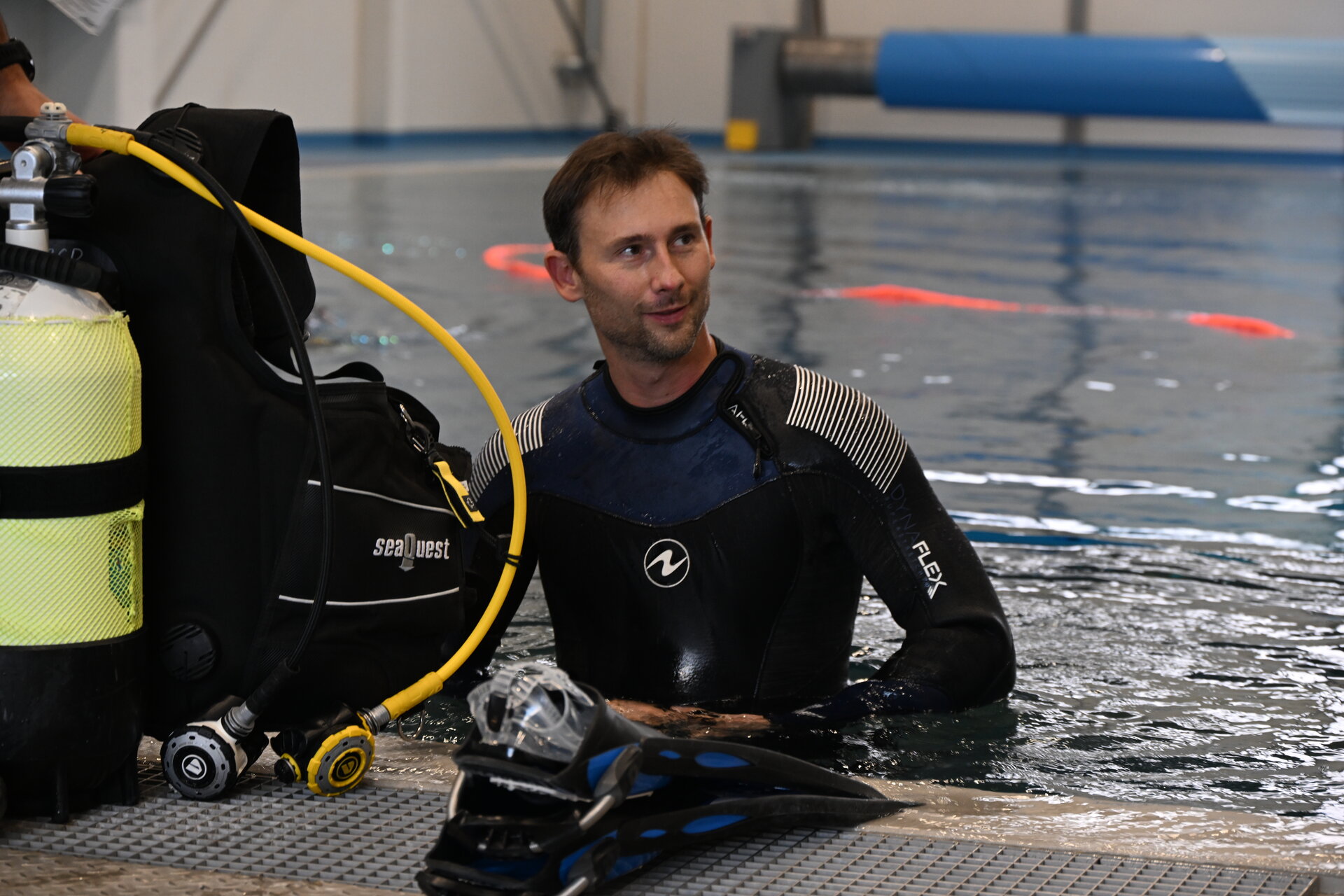
—European Space Agency (ESA): “Sławosz Uznański from Poland Will fly to International Space Station on Rourth Axiom Space Mission“
Axiom Space announced that it is partnering with India, Hungary, and with Poland through ESA to send three national astronauts to the International Space Station on Axiom Mission 4 (Ax-4). ESA project astronaut Sławosz Uznański has been assigned as mission specialist under the command of Axiom Space’s Chief Astronaut Peggy Whitson...The other two Ax-4 crew members are pilot Shubhanshu Shukla from India, and mission specialist Tibor Kapu from Hungary.
—Associated Press: “One Church, Two Astronauts. How a Texas Congregation is Supporting its Members on the Space Station“
…there’s no way on Earth for NASA astronauts Barry “Butch” Wilmore and Tracy Dyson to show up at Providence Baptist Church. They’re in space, orbiting the planet. More specifically, these two members are working on the International Space Station together...Dyson’s six-month mission isn’t scheduled to end until September, but Wilmore and his fellow NASA test pilot, Suni Williams, should have been back weeks ago. They are staying longer than expected following thruster failures and helium leaks on Boeing’s inaugural crew flight for its Starliner capsule. Wilmore and Williams have said they are confident the capsule will return them home safely; engineers are still poring over Starliner test data.
—University of Cambridge: “Astronomers Uncover Risks to Planets that Could Host Life“
Astronomers have discovered that red dwarf stars can produce stellar flares that carry far-ultraviolet (far-UV) radiation levels much higher than previously believed. The discovery suggests that the intense UV radiation from these flares could significantly impact whether planets around red dwarf stars can be habitable…According to researchers, UV radiation from stellar flares can either erode planetary atmospheres, threatening their potential to support life, or contribute to the formation of RNA building blocks, which are essential for the creation of life.
 Our Awesome Universe