
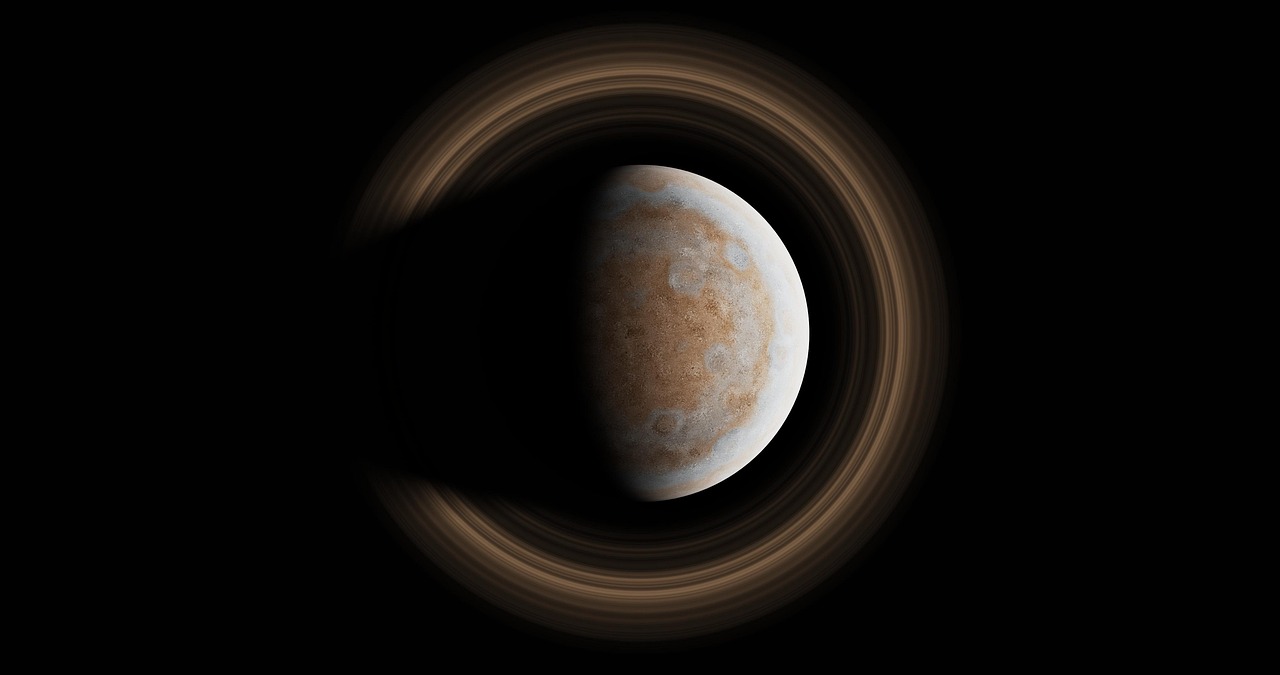
Scientific American magazine has an interesting article on rogue planets, titled “How Many Rogue Planets Roam the Milky Way?” It discusses those lonely exoplanets that may or may not have started in a solar system, but nonetheless now drift in the darkness alone.
The article discusses a new paper from a team of astronomers at the Technion–Israel Institute of Technology that looked at the ejection of planets from planetary systems. Among the various findings noted, the team found that within the first billion years of a planetary system, on average as many as 3.5 planets are ejected , with most ejections happen within the first 100 million years. Moreover, systems with 10 or more planets eject more planets – as many as 70 percent of the system’s planets.
So that brings us back to our solar system. How many rogue planets did we spin off billions of years ago? We will never really know, but it gives one plenty to ponder when thinking about what awaits us out there should we venture beyond our present home system. Will we find old friends?
Note: An earlier article estimated there are seven rogue planets for every star in our galaxy, meaning the Milky Way may host trillions of rogue planets.
 Our Awesome Universe