RIP: Ed Smylie, NASA Engineer

Image (Credit): Former NASA engineer Ed Smylie. (Bill Stafford/NASA)

Last month, former NASA engineer Ed Smylie passed away at the age of 95. He is best known for his efforts leading a NASA team that saved the Apollo 13 crew after the capsule experienced the onboard explosion of an oxygen canister. His quick efforts saved the crew, allowing them to return home safely. You can see it all in color by watching the film Apollo 13.

Mr. Smylie left Douglas Aircraft Company and joined NASA after President Kennedy made it clear that the nation would put a man on the Moon. Luckily, he was there at NASA when he was needed.

In a 1999 interview about his efforts to save the Apollo 13 mission, he was very self-effacing about his role in the entire effort:

It was pretty straightforward, even though we got a lot of publicity for it and [President Richard M.] Nixon even mentioned our names. I always argued that that was because that was one you could understand nobody really understood the hard things they were doing. Everybody could understand a filter. I said a mechanical engineering sophomore in college could have come up with it. It was pretty straightforward. But it was important.

You can also read more on Mr. Smylie’s life and career at these sites:

Rest in peace.
A Day in Astronomy: President Kennedy’s Call to Put a Man on the Moon

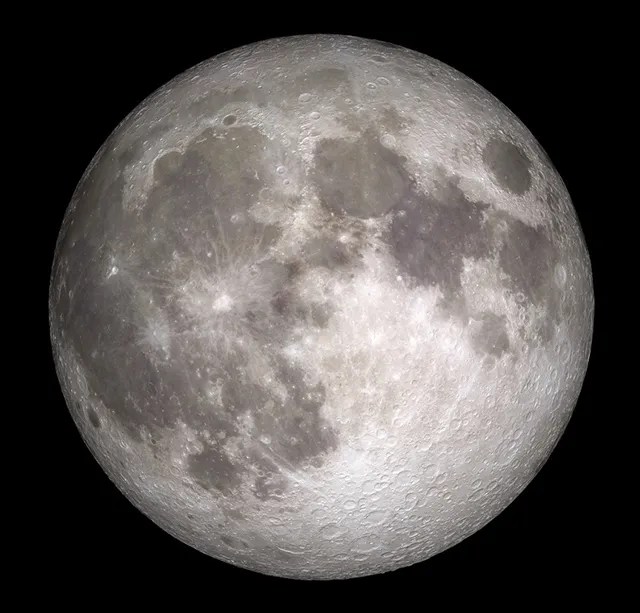
Image (Credit): The full Moon. (NASA)

On this day in 1961, President John F. Kennedy addressed a joint session of Congress and called for landing a man on the Moon. An excerpt from that address is provided below:

First, I believe that this nation should commit itself to achieving the goal, before this decade is out, of landing a man on the moon and returning him safely to the earth. No single space project in this period will be more impressive to mankind, or more important for the long-range exploration of space; and none will be so difficult or expensive to accomplish. We propose to accelerate the development of the appropriate lunar space craft. We propose to develop alternate liquid and solid fuel boosters, much larger than any now being developed, until certain which is superior. We propose additional funds for other engine development and for unmanned explorations–explorations which are particularly important for one purpose which this nation will never overlook: the survival of the man who first makes this daring flight. But in a very real sense, it will not be one man going to the moon–if we make this judgment affirmatively, it will be an entire nation. For all of us must work to put him there.

Space Quote: Oops – Sorry About All That Excitement About K2-18b

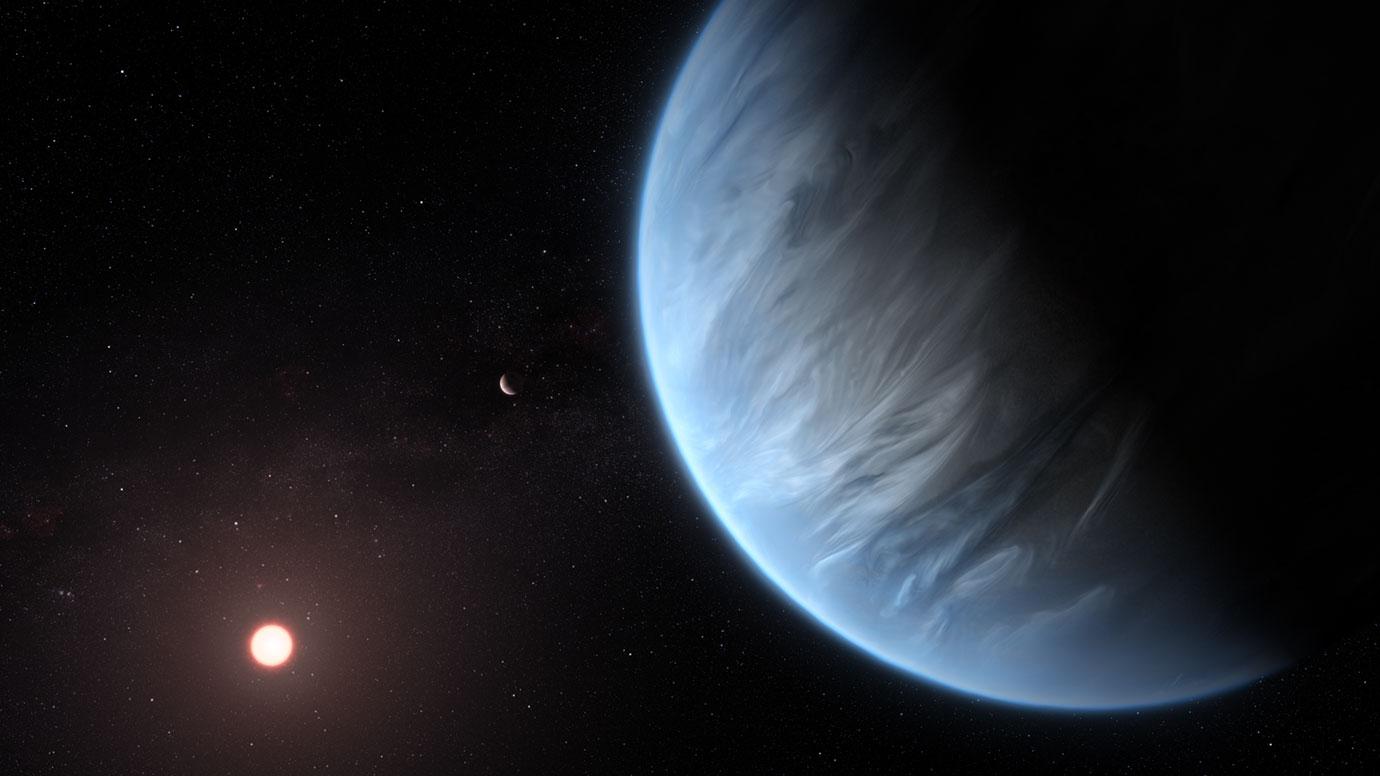
Image (Credit): An artist’s illustration showing a possible K2-18b. (ESA/Hubble, M. Kornmesser)

“We found the data we have so far is much too noisy for the proof that would be needed to make that claim…There’s just not enough certainty to say one way or the other.”

Statement by Rafael Luque, a postdoctoral researcher at the University of Chicago, regarding stories last month about the possible detection of life on exoplanet K2-18b. New analysis from the University of Chicago calls into question the interpretation of the scientific data, and also notes that other factors could account for what was initially detected. A lot of this debate is better explained in a recent video from Cool Worlds Lab titled “The K2-18b Video You’ve Been Waiting For.”

Upcoming International Space Development Conference

You may not like the idea of spending any part of the summer in hot and humid Florida, but the National Space Society has a good reason for you to go anyway. It is holding its 43rd annual International Space Development Conference from June 19 to 22 in Orlando, Florida.

Some of the guests during the week include Jared Isaacman, the future Administrator of NASA, as well as space experts and numerous current, former, and retired astronauts.

The various sessions, panels, and workshops will cover topics such as:

  • Moon and Mars exploration and settlement,
  • Deep space exploration,
  • Innovative technology,
  • Science fiction’s influence on the technology and commercialization of space,
  • Planetary defense,
  • Living in space,
  • Space solar power,
  • Space debris, and
  • Space law and policy.

For instance, on Thursday you can attend four related lectures in a session titled “Interplanetary Infrastructure“. Here is what the session will cover:

Infrastructure is the backbone of civilization. A multi-planetary civilization needs interplanetary infrastructure to support its expansion, facilitate trade, and keep its citizens and their societies connected. The Interplanetary Infrastructure session considers whether investments in infrastructure, especially two-way transportation infrastructure, can address some of the most pressing problems associated with humanity’s initial efforts to expand into the solar system. Historically, infrastructure has facilitated human expansion. It increased accessibility and reduced the personal sacrifices that adventurous settlers and their families had to make. Infrastructure projects tend to be somewhat conservative in nature. They generally use technologies and materials that have been applied in other industries and that are already well-understood and well-characterized by engineers. Successful infrastructure projects are economically viable because their long-term benefit to society exceeds their upfront cost, even when the upfront cost is significant. The speakers presenting concepts in this session adhere to these fundamental principles and can demonstrate that their proposals do indeed pencil out.

Take a look at the program and decide for yourself if you can handle the heat while learning more about future space adventures.

Pic of the Week: Flower Moon from the ISS

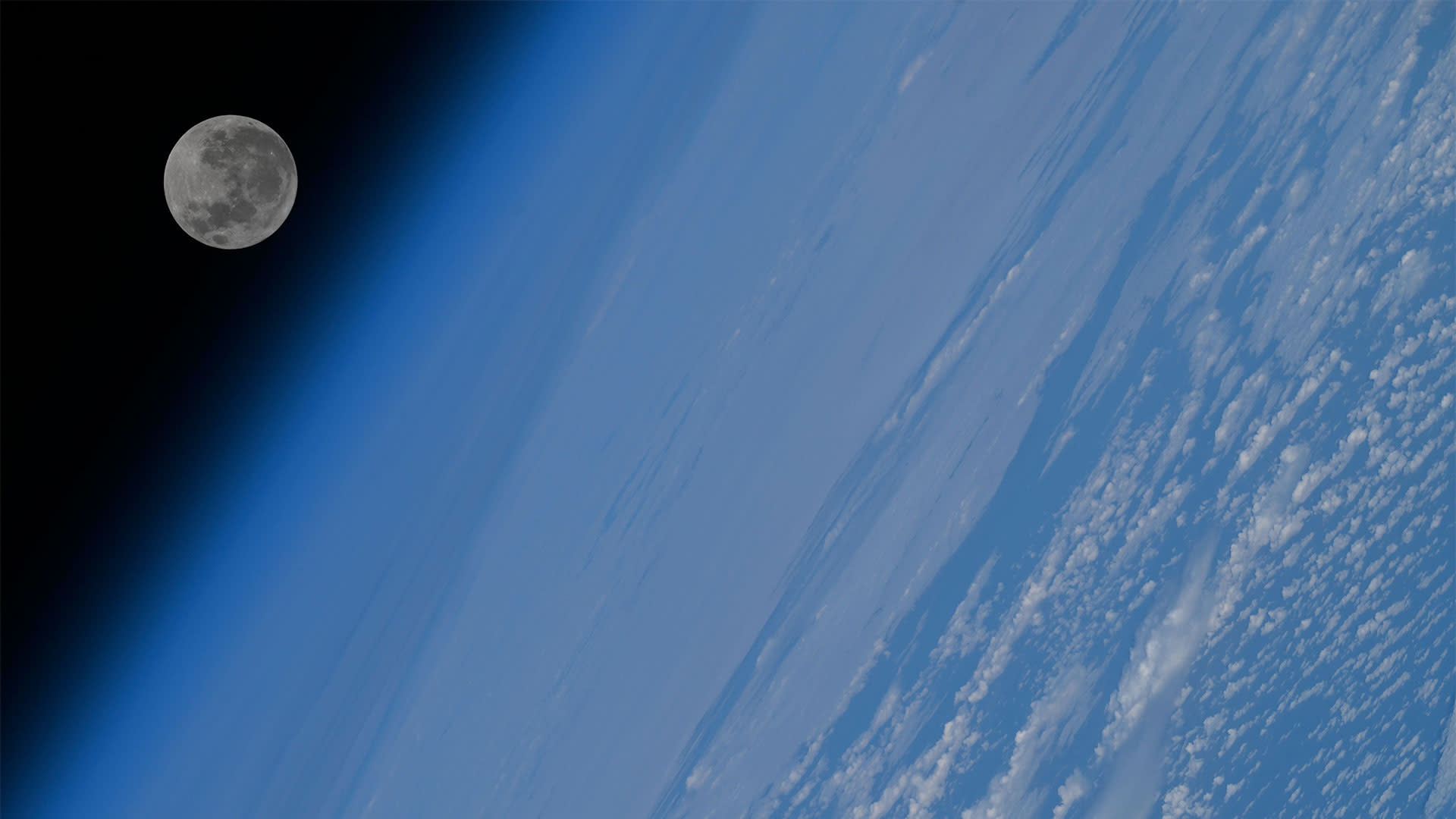
Image (Credit): The Flower Moon captured this month by NASA astronaut Nichole Ayers aboard the International Space Station (ISS) . (NASA/Nichole Ayers)

While it almost looks like the Death Star on the horizon, you are looking at this month’s Flower Moon, as captured by NASA astronaut Nichole Ayers from the ISS.

This month’s Moon was called the “Three-Milkings Month” back in 703 AD, but now it has a Native American name, either the Flower Moon, the Corn Moon, or even the Corn Planting Moon.

You can read more than you would ever want to know about this Moon via this NASA page.