
Here are some recent space-related stories of interest.
—Sky & Telescope: “Thirty Meter Telescope Considers Move to Spain“
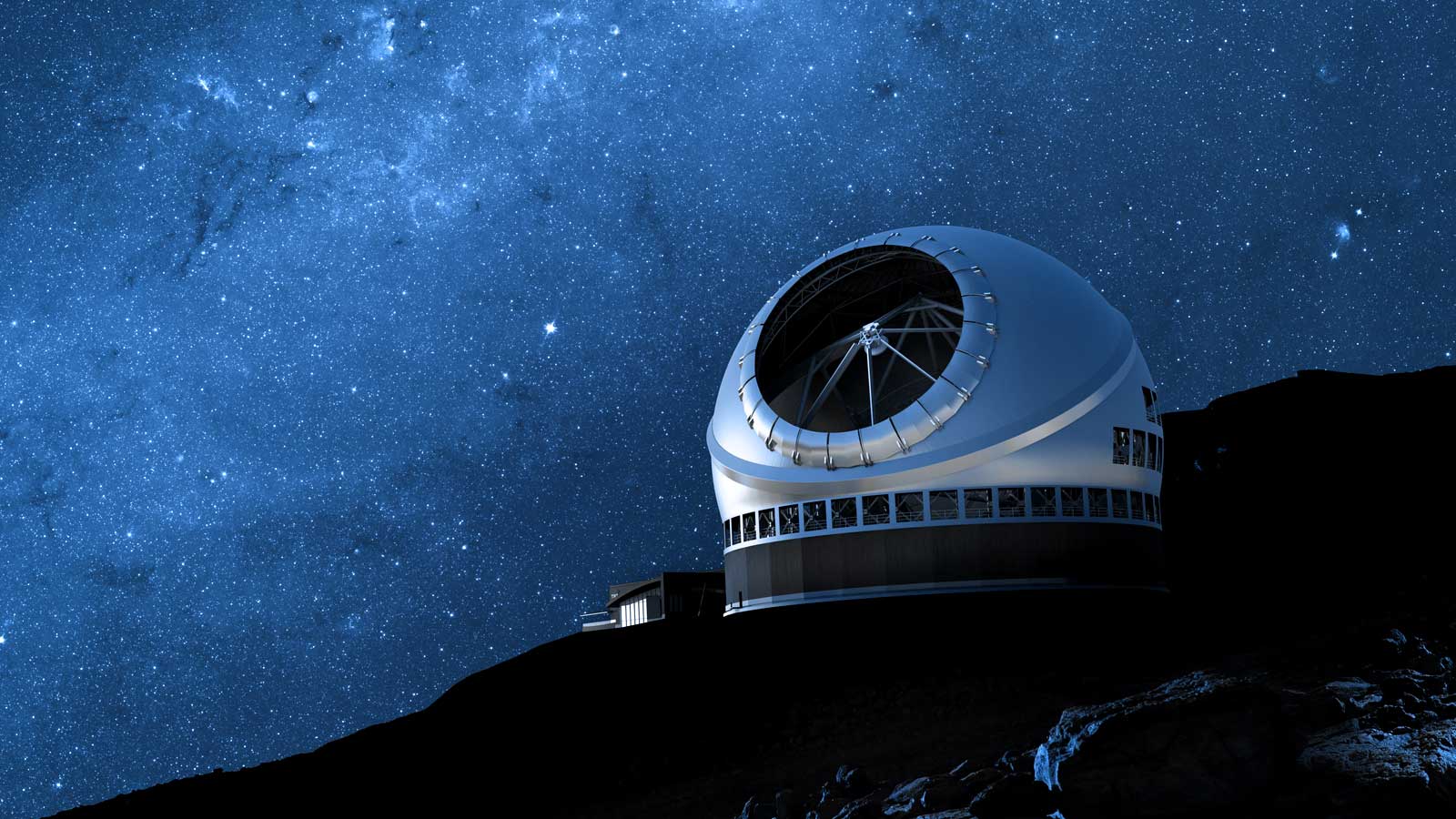
The Thirty Meter Telescope (TMT) was conceived more than two decades ago as the largest and most advanced telescope in the Northern Hemisphere. However, the telescope has encountered significant roadblocks, from funding uncertainties — now heightened by President Trump’s proposed budget cuts — to local resistance to building the telescope on Mauna Kea, a volcanic mountain in Hawai‘i that’s sacred to native communities. Now, the telescope might find a new home in La Palma on the Canary Islands of Spain. In July, the Spanish government offered to host the telescope, with an investment of up to €400 million ($460 million) to help cover some of the costs. In a brief statement posted on November 11th, the TMT announced that it is officially considering the move to La Palma.
—Spaceflight Now: “NASA, Boeing Pivot Starliner-1 Mission from 4-Person Astronaut Flight to Cargo-Only“
In its latest shakeup to the Commercial Crew Program, NASA announced on Monday it has reduced the number of missions Boeing is required to fly to the International Space Station and changing the next flight from a crew mission to a cargo mission. The original contract NASA awarded to Boeing and SpaceX called for each to fly an uncrewed demonstration flight to the ISS, followed by a crewed demo mission and then conduct six regular crew rotation missions.
—Vice: “Moss Just Survived a Full Year Outside the International Space Station“
In the airless, radiation-saturated void outside of the International Space Station, researchers tested whether a common moss species known as Physcomitrium patens could survive at all, and if it could, for how long. The answers are yes and probably forever if it wants...Tomomichi Fujita, the study’s lead author, thinks moss could last up to 15 years in space, knowledge that could help build future extraterrestrial farms or entire ecosystems on the Moon or Mars.
 Our Awesome Universe