
Here are some recent space-related stories of interest.
—Universities Space Research Association: “Our Moon’s 4 Billion-Year Impact Record Suggests Meteorites Didn’t Supply Earth’s Water“
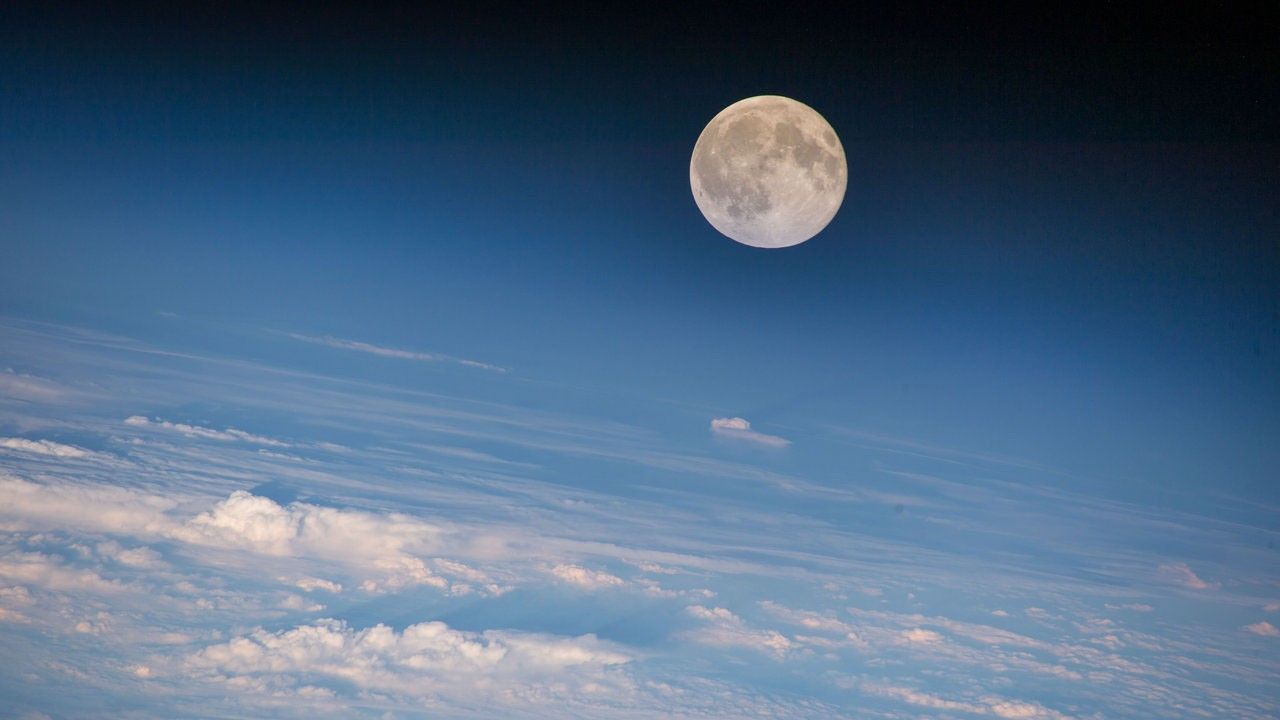
A long-standing idea in planetary science is that water-rich meteorites arriving late in Earth’s history could have delivered a major share of Earth’s water. A new study by Universities Space Research Association (USRA) and University of New Mexico argues that the Moon’s surface record sets a hard limit on that possibility: even under generous assumptions, late meteorite delivery since about 4 billion years ago could only have supplied a small fraction of Earth’s water...In a paper published in the Proceedings of the National Academy of Sciences, researchers led by Dr. Tony Gargano at USRA’s Lunar and Planetary Institute and the University of New Mexico analyzed a large suite of Apollo lunar regolith samples using high-precision triple oxygen isotopes. Earth has erased most of its early bombardment record through tectonics, and constant crustal recycling. The Moon, by contrast, preserves a continuously accessible archive: lunar regolith, the loose layer of debris produced and reworked by impacts over billions of years
—Florida Today: “NASA Artemis Astronauts in Quarantine Ahead of Rocket Launch in Florida“
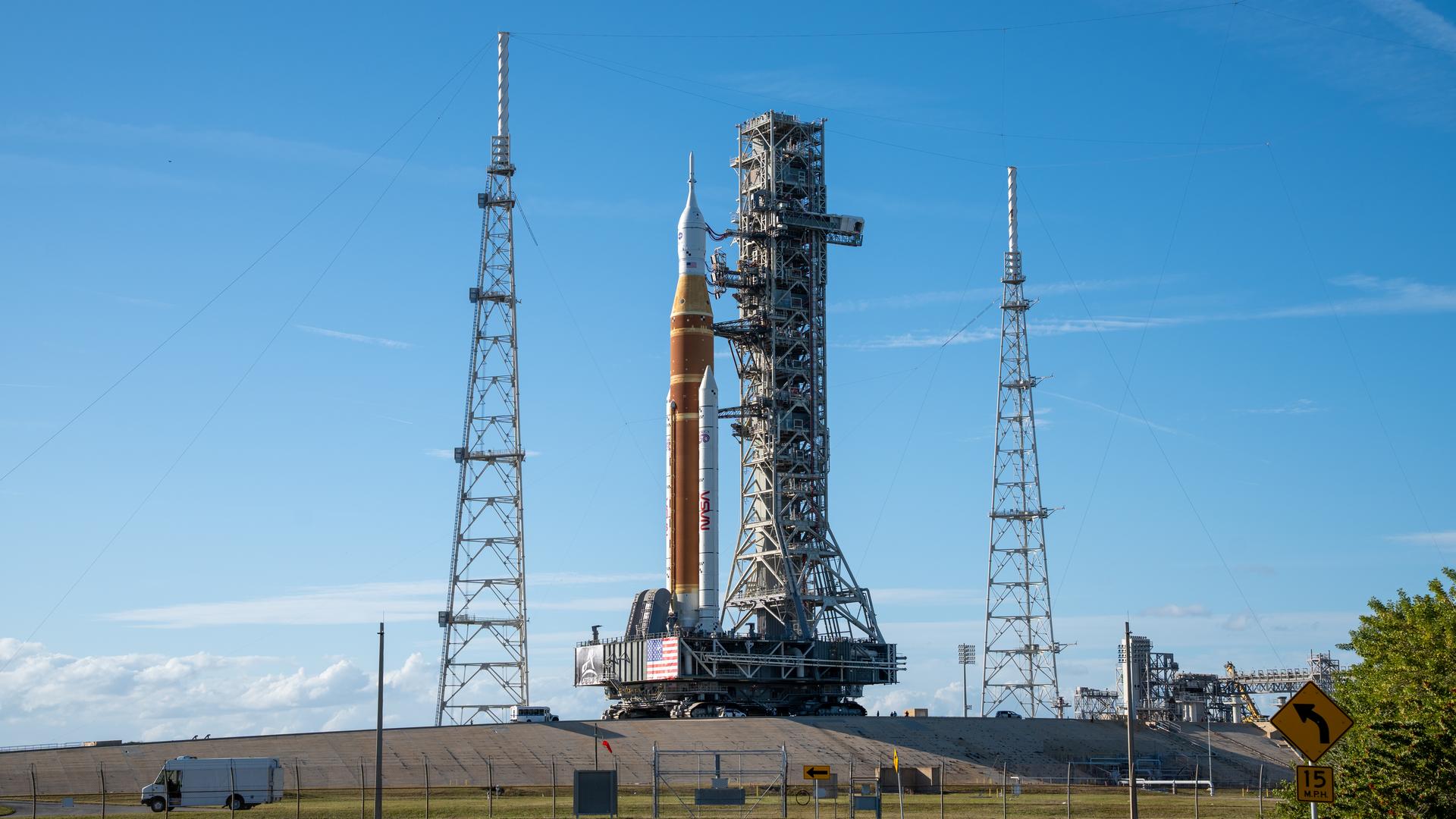
The four astronauts who will soon become the first humans in more than half a century to fly on a lunar mission have begun the quarantine process – a crucial sign that NASA believes a launch could be imminent. Sequestering themselves away from others for the next several days ensures that the three Americans and one Canadian selected for a mission known as Artemis 2 are at low risk of becoming sick and jeopardizing the mission. The crew members have entered quarantine in Texas as NASA makes final preparations in Florida to ready the towering rocket that will get the mission off the ground as early as February.
—Technology.org: “China’s Space Ambitions Hit Turbulence: Two Rockets Fail Within 12 Hours“
The Long March 3B departed Xichang Satellite Launch Center in southwest China at 11:55 Eastern (1655 UTC) on January 16. Amateur footage confirmed the rocket left the pad on schedule. Then came silence. The China Aerospace Science and Technology Corporation (CASC) waited nearly 12 hours before acknowledging what observers already suspected. “The specific cause is under further analysis and investigation,” state media Xinhua reported…Less than 12 hours after the Long March 3B failure, Galactic Energy attempted something the company had been working toward for months: the first flight of its Ceres-2 rocket. After repeatedly postponed launch windows, the solid-fueled rocket finally lifted off from Jiuquan Satellite Launch Center at 11:08 p.m. Eastern on January 16 (0408 UTC, January 17). It didn’t work. Galactic Energy confirmed an anomaly had occurred and that investigation was underway.



 Our Awesome Universe