Pandora and Friends Start New Missions

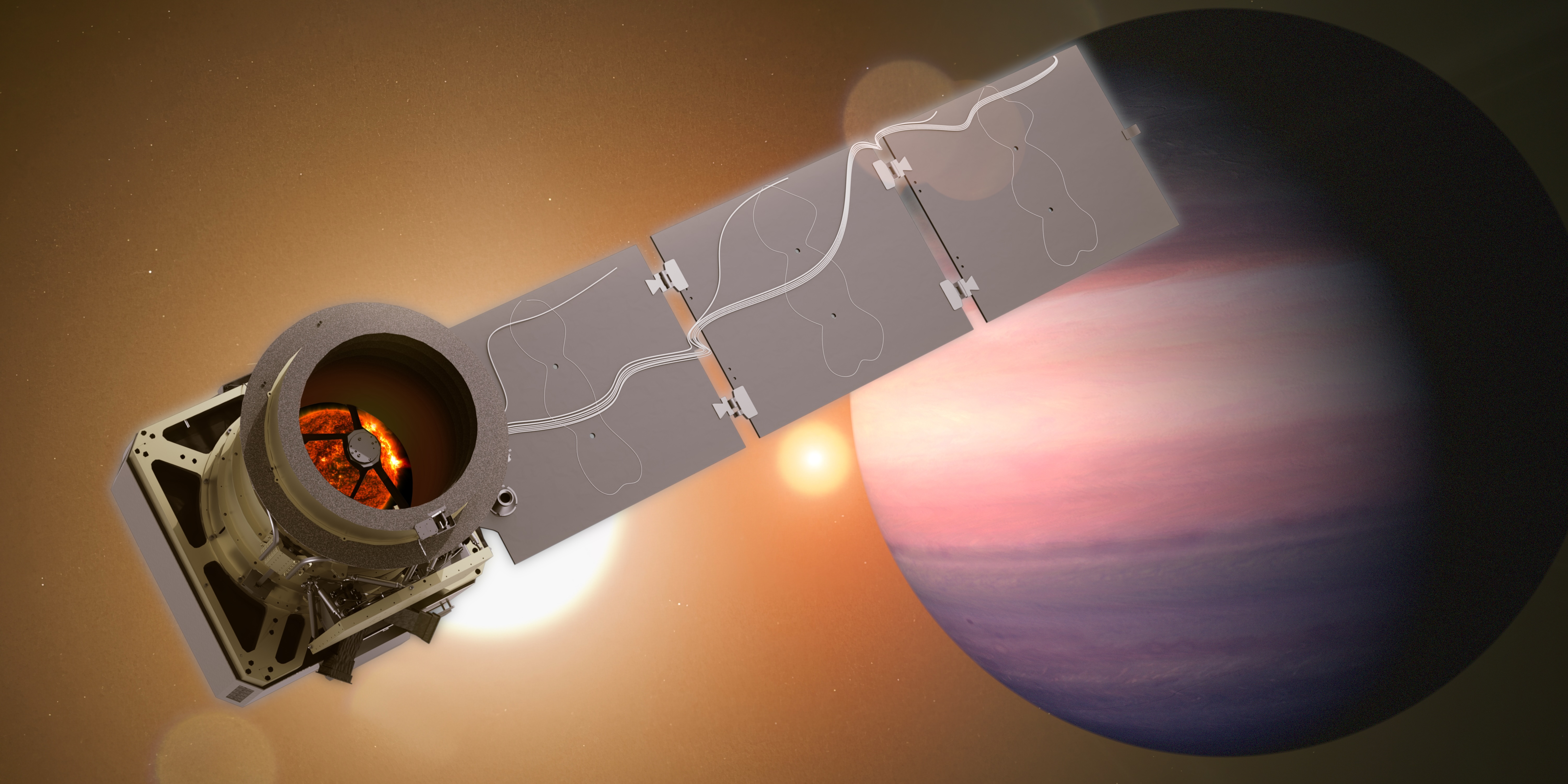
Image (Credit): An artist’s rendering of NASA’s Pandora mission. (NASA)

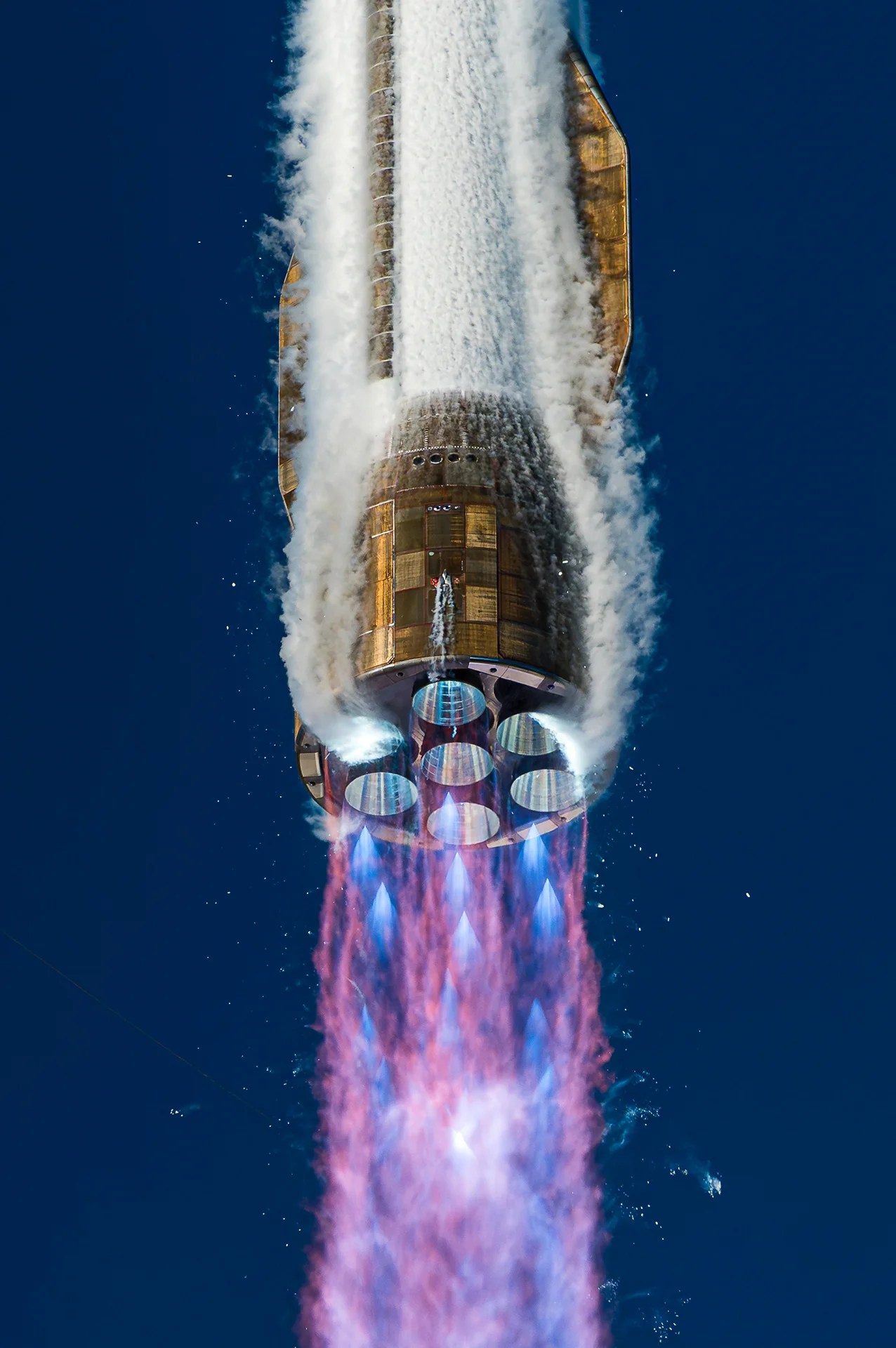
Earlier today, NASA’s Pandora mission got its start aboard a SpaceX rocket launched from California’s Vandenberg Space Force Base.

The Pandora satellite, once fully operational, will view exoplanet atmospheres and their host stars to learn more about these exotic worlds. In its first year, the satellite will focus on approximately 20 known exoplanets. This NASA video describes the process.

The 716-pound Pandora satellite is much smaller than the 14,300-pound James Webb Space Telescope (JWST). Of course, the JWST has a much larger mission that expands over a much longer time period.

If you are looking for something small, you might be interested in the two CubeSats launched with Pandora. One is called the Star-Planet Activity Research CubeSat (SPARCS), which will study coronal mass ejections on small stars, while the second is named the Black Hole Coded Aperture Telescope (BlackCAT) with the mission of observing X-ray flares from active galaxies with supermassive black holes as well as gamma-ray bursts.

It was a successful Sunday for NASA and space enthusiasts everywhere.
Time to Submit Your Photos to the ZWO Astronomy Photographer of the Year 2026 Competition

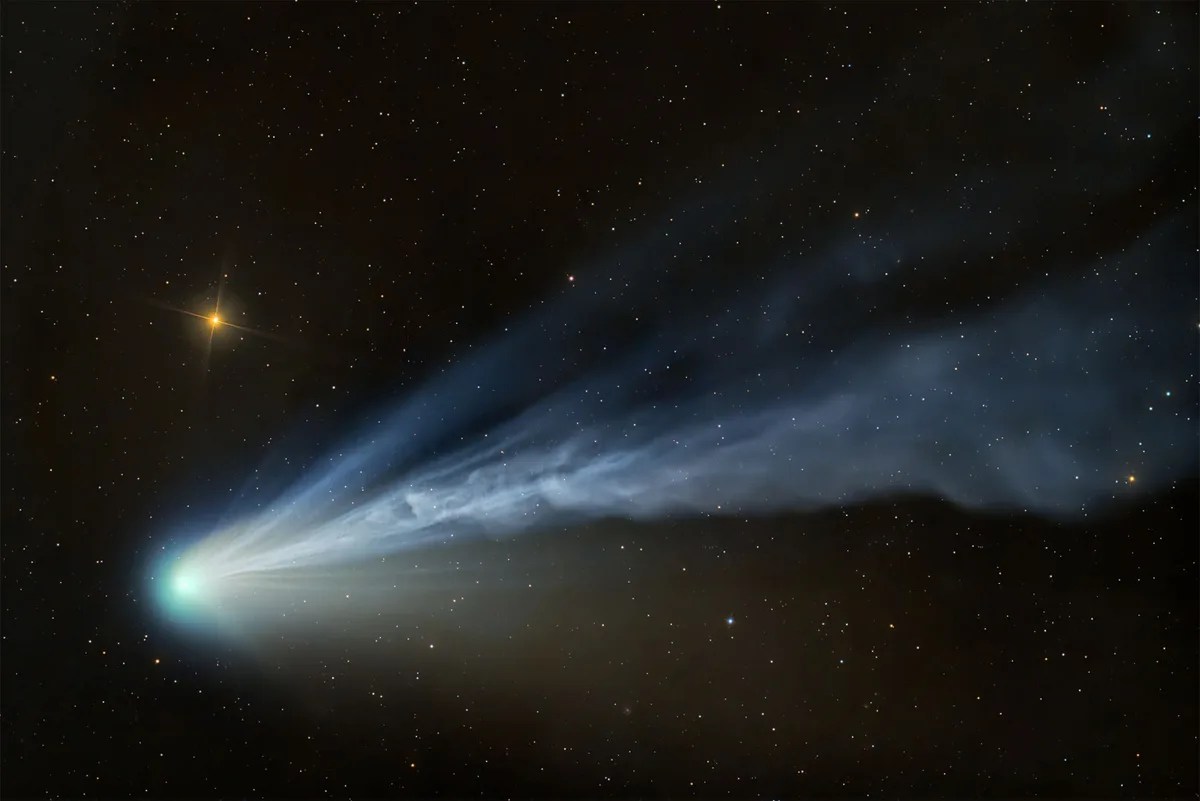
Image (Credit): “Comet 12P/Pons−Brooks Taking a Final Bow” submitted by Dan Bartlett and 2025 winner in the Planets, Comets and Asteroids category of the ZWO Astronomy Photographer of the Year 2025. (Dan Bartlett)

It is that time of year for photographers to submit up to 10 of their best photos to the Royal Observatory Greenwich’s ZWO Astronomy Photographer of the Year 2026 competition. Submissions can be made from January 5th to March 2nd. The top prize is worth £10,000, with lesser amounts for category winners, , runners-up, and highly commended entries.

The categories are:

  1. Planets, Comets and Asteroids;
  2. Aurorae;
  3. People and Space;
  4. Skyscapes;
  5. Our Moon;
  6. Our Sun:
  7. Stars and Nebulae;
  8. Galaxies;
  9. ZWO Young Astronomy Photographer of the Year;
  10. Special Prize: Best Newcomer; and
  11. Special Prize: Annie Maunder Open Category.

You can find all of the 2025 winners here.

Who is Currently in Space?

With all the talk about the current set of astronauts returning early from the International Space Station (ISS) due to medical issues as well as last year’s issue with Chinese astronauts stuck on their station, it is hard to keep track of who is in space these days.

Hence, you may want to stay up to date on those floating in space by using this website – https://whoisinspace.com/. As of today, there are 10 humans in space – 6 on the ISS (3 from the US, 3 from Russia, and 1 from Japan) and 3 on China’s Tiangong space station.

As shown in the image above, the site also gives some stats on the crews, such as the mission that brought them to the station as well as each person total amount of time in space.

Just think of it as a Who’s Who listing for low Earth orbit.

Pic of the Week: Liftoff of the New Glenn Rocket

Image (Credit): Blue Origin’s New Glenn rocket as it launched from Launch Complex 36 at Cape Canaveral Space Force Station in Florida on November 13, 2025. (Blue Origin)

This week’s image comes from Scientific American magazine’s best space photos of 2025. It shows Blue Origin’s New Glenn rocket lifting off from Launch Complex 36 at Cape Canaveral Space Force Station in Florida on November 13, 2025. It was carrying NASA’s twin Escape and Plasma Acceleration and Dynamics Explorers (ESCAPADE) spacecraft, which are destined for Mars. The two identical spacecraft will investigate how the solar wind interacts with Mars’ magnetic environment and how this interaction drives the planet’s atmospheric escape.

Space Quote: NASA Delays ISS Spacewalk

Image (Credit): Crew-11 mission patch. (NASA)

“NASA is postponing the Thursday, Jan. 8, spacewalk outside the International Space Station. The agency is monitoring a medical concern with a crew member that arose Wednesday afternoon aboard the orbital complex. Due to medical privacy, it is not appropriate for NASA to share more details about the crew member. The situation is stable. NASA will share additional details, including a new date for the upcoming spacewalk, later.”

Statement on NASA’s website regarding a spacewalk that was to take place tomorrow outside the International Space Station (ISS). The planned spacewalk, which was to fix a solar array and last for six and a half hours, involved astronauts Mike Fincke and Zena Cardman. It would have been Cardman’s first and Fincke’s tenth spacewalk.

Update: The four astronauts that are part of Crew-11 on the ISS will be returning to Earth earlier than planned because of health issues. According to NBC News, the matter relates to a single astronaut with a medical condition who is currently in stable condition.