
Senator Ted Cruz (R-TX), Chairman of the Senate Commerce, Science, and Transportation Committee, earlier today highlighted some of the sections in the NASA Authorization Act of 2026 designed to counter Chinese ambitions on the Moon while also keeping the US in the forefront of space stations.
In a Committee press release, he stated:
Let me touch on a few highlights of the NASA Authorization Act. The bill—
- Directs NASA to create a permanent “moon base” so we can get there before the Chinese;
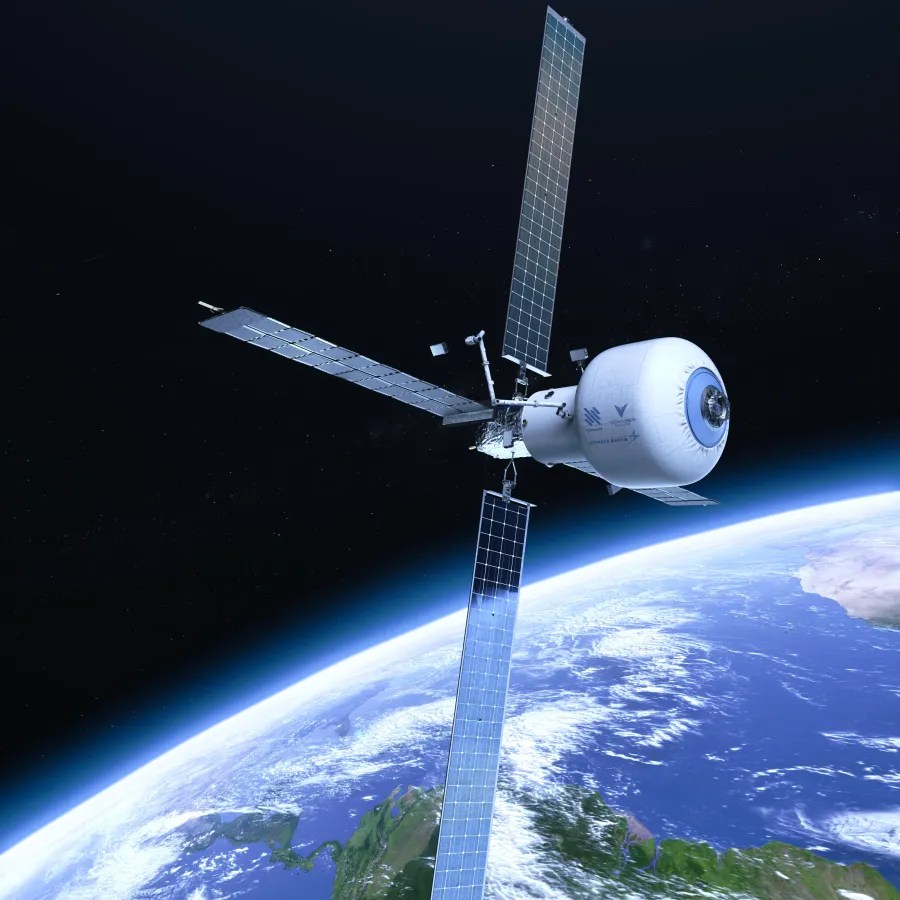
- Keeps American astronauts in space, extending the ISS through 2032 and requiring the launch of two independent commercial space stations before the ISS can be retired;
- Protects against disclosure of NASA tech secrets to Chinese spies; and
- Restores fiscal discipline while modernizing NASA’s workforce through public-private partnerships.
This all sounds good, but first we need to successfully get to the Moon before worrying about permanent versus temporary Moon bases. I would rather we focus just getting a manned spacecraft back on the Moon after more than 50 years. The more burdens we place on these initial missions, the less likely we will have the chance to land on the Moon.
Mr. Musk’s complex dance with multiple Starships was designed to handle a spacecraft with four astronauts and a complex lunar habitat. A simpler mission just to replant the flag may have made more sense if the latest Space Race is about being the first to get back on the lunar surface. And if a Moon base is really a national priority, we should be able to find the funds do to both – a quick, basic mission to put boots on the lunar surface and a more complex mission supporting a Moon base. However, last year’s proposed budget cuts indicated the White House doesn’t know what it wants.
In terms of a space station, the idea of getting more years out of the enormous investment in the International Space Station makes perfect sense. That said, requiring long-term investment from the commercial sector for space stations seems presumptuous. While NASA can support the design of future stations, it cannot ensure their construction and viability. Besides, it is not clear we have enough research, both government and commercial, to support one space station. Do we really need two? And should that be NASA’s decision?
I believe the private sector can decide on the need for space stations all by itself, and so far it has not shown enough interest in this area. The government is good at big things, while the private sector has very specific profit-driven interests when it comes to space missions, like anything else. So far, the commercial funding seems to be drifting towards orbiting data centers and even space tourism. Is this what Senator Cruz envisions?
We may need to simplify our milestones if we are trying to beat the Chinese and maintain our presence in space. Big ideas need to be supported with big budgets and/or clear private sector benefits. With the current administration starting costly wars around the world while also sending mixed signals to the private sector via excessive tariffs and various crony-capitalist actions, we will be lucky to keep the lights on at NASA.
 Our Awesome Universe