
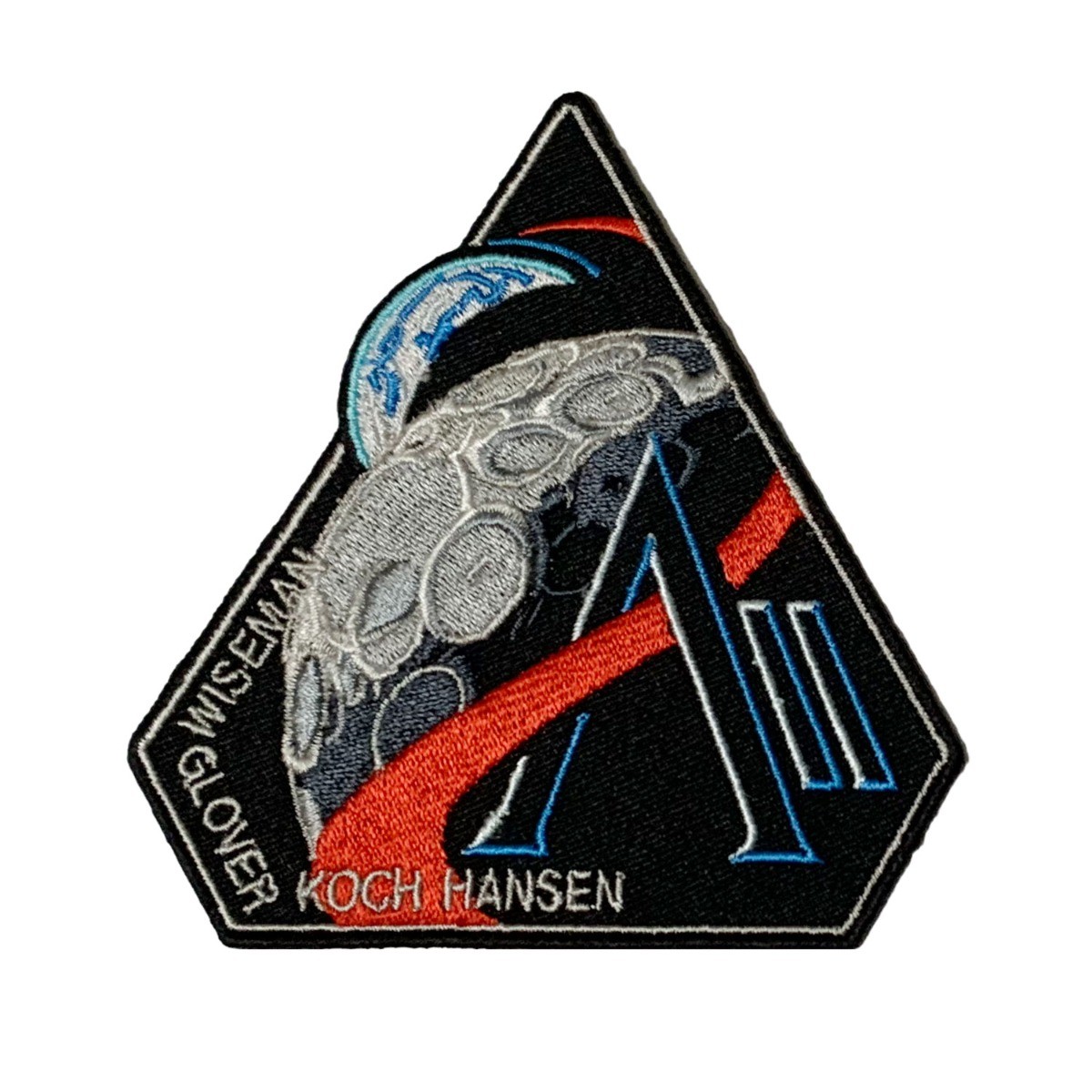
Here are some recent stories related to the upcoming Artemis II launch.
—Associated Press: “Apollo vs. Artemis: What to Know about NASA’s Return to the Moon“
NASA’s Apollo moonshots are a tough act to follow, even after all this time. As four astronauts get set to blast off on humanity’s first trip to the moon in more than half a century, comparisons between Apollo and NASA’s new Artemis program are inevitable. The world’s first lunar visitors orbited the moon on Apollo 8. The Artemis II crew will play it safe and zip around the moon in an out-and-back slingshot. Another key difference: Artemis reflects more of society, with a woman, person of color and Canadian rocketing away.
—Scientific American: “How NASA Will Keep the Artemis II Astronauts Safe from Space Weather“
The hazards that the Artemis II crew must navigate during their 10-day flight are plentiful, starting from the second they launch aboard the most powerful rocket to ever carry humans and continuing all the way through their return to Earth nestled inside the Orion capsule. Many threats the crew will face are obvious, but not all of them are. Take, for example, radiation, which with moderate exposures can increase an astronaut’s long-term risk of cancer and with heavy doses can cause acute sickness. The Artemis II crew will be the first humans in decades to travel beyond low-Earth orbit, fully discarding the protection of Earth’s magnetic field. And while most aspects of cosmic radiation are straightforward to plan for, the outlier is space weather.
—Ars Technica: “NASA is Leading the Way to the Moon, But the Military Won’t Be Far Behind“
Today, potential conflict zones in space are limited to a region between low-Earth orbit and geosynchronous orbit, from a few hundred miles altitude up to 22,000 miles. The Space Force is in the final stages of developing a roadmap for the next 15 years, identifying where the service needs to grow and evolve to respond to changing threats and priorities. The document hasn’t been released publicly, but Pentagon officials have said it will address the possibility of the the Moon or cislunar space, the region of space around the Moon, becoming a theater for military operations.
 Our Awesome Universe