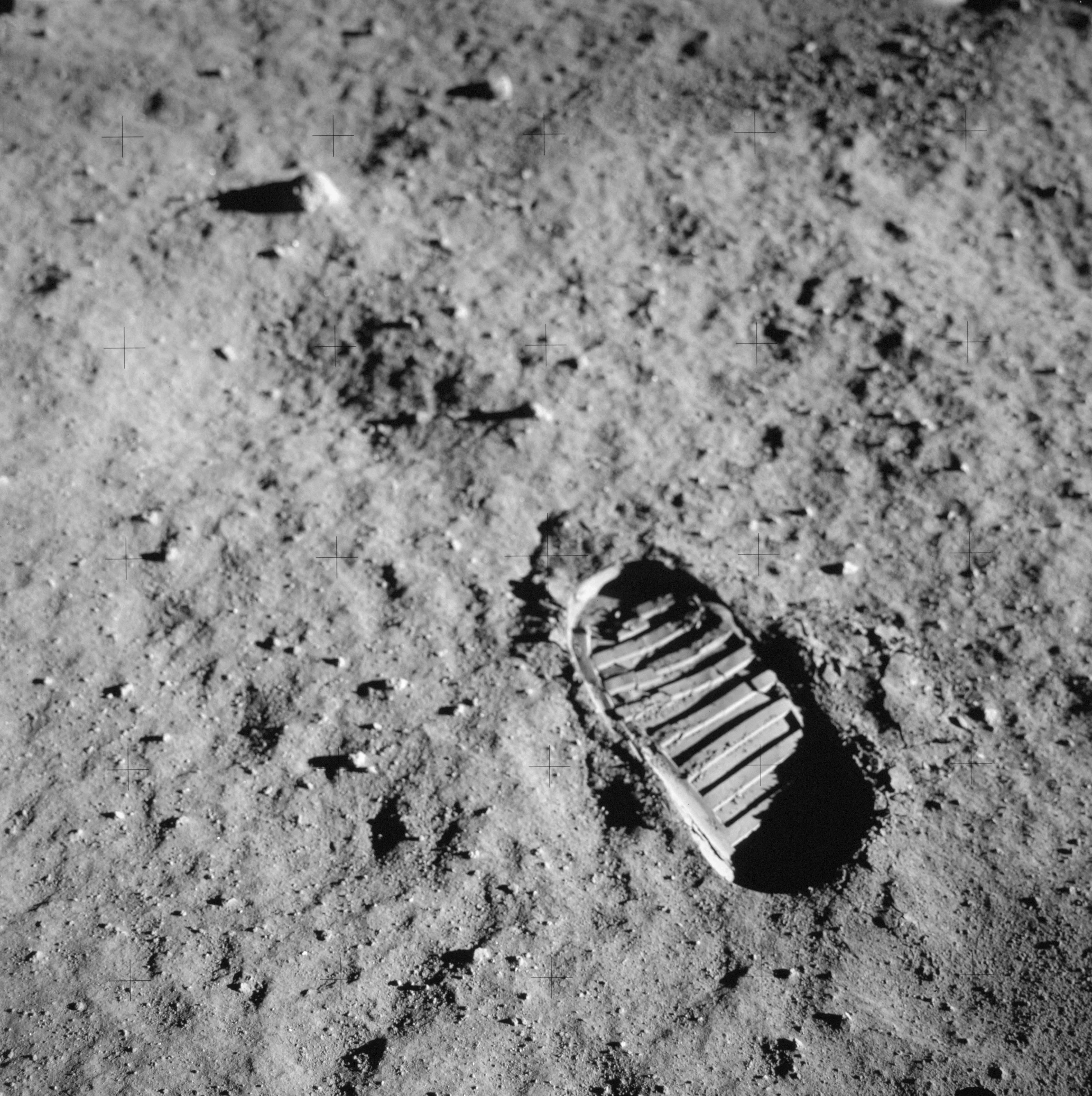
Image (Credit): An astronaut’s bootprint in the lunar soil from the Apollo 11 mission.(NASA)
Multiple Choice: Which statement below is NOT TRUE about the Moon?
A. Lunar dust smells like a chemical solvent. B. Some craters on the Moon are colder than the surface of Pluto. C. The Moon has an atmosphere. D. The Moon orbits the Sun rather than the Earth.
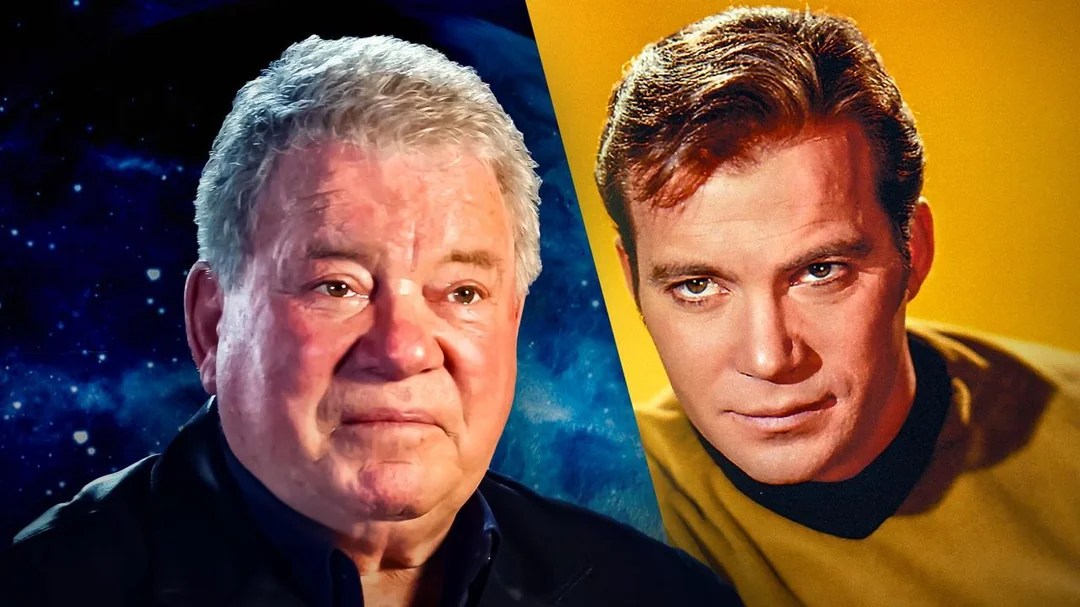
“Star Trek exists in more than one world. It exists in the fantasy of science fiction – weird and wonderful things that play unimaginable possibilities of exploration and human endeavor. But it also exists in the fantasy of human beings, the perfection of human beings, the exploration that human beings have made since the dawn of time and the continuing exploration – physically mentally and morally. It’s that aspect of Star Trek that I’ve always loved, to look at something physically that doesn’t exist now by these talented writers & designers but also to tackle the eternal human questions the agonies, the ecstasies. Star Trek should exist for a long time to come based on those truths. I for one would love to see its continuity. It’s with sorrow that I hear about the cancellation of the new Star Trek series.”
-William Shatner’s comments on Twitter/X regarding the recent announcement that Star Trek’s Starfleet Academy will end after two seasons. In a follow-up post, highlighting the criticism that the new series was too woke, he continued:
During the first airing of my Star Trek series where a kiss was objectionable; many southern stations pulled the episode & condemned the show. Using today’s vernacular it would absolutely be called “woke DEI crap” because it went against “norms” of society for its time. Not a lot seems to have changed.
Nothing gold can stay, Robert Frost once wrote. Just enjoy it while it is here.
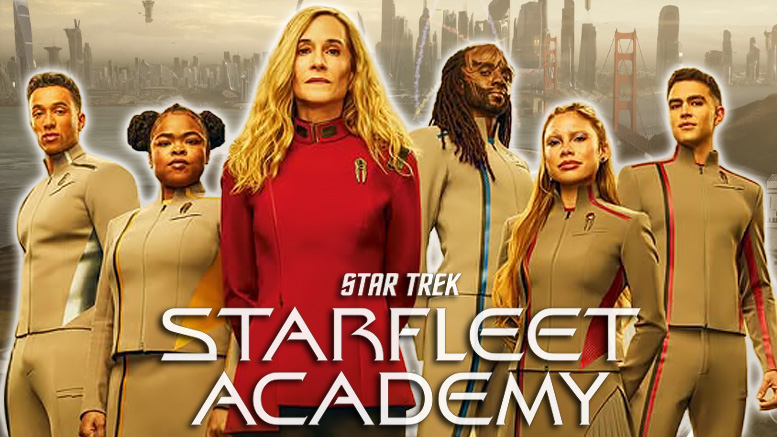
And so it goes with Star Trek as well. The new television series Starfleet Academy will last for only two seasons and then disappear. While I had originally thought that promising a second season before the first one aired was premature, it turns outs it was brilliant given the fickle habits of today’s viewers. Now the series has a chance to bring some closure.
I have enjoyed the first season. While it was not perfect, it was finding its way to tell a new story to a new generation of Star Trek viewers. At a time that Star Wars seems to have run out of steam, the new series showed that Star Trek still had more to say with a whole new cast of characters rather than endlessly recycling the past. I am hopeful that it can continue to do so even with this ending.
The series co-showrunners and executive producers, Alex Kurtzman and Noga Landau, wrote a few words that also quoted this bit from Gene Roddenberry that says a lot in these times:
Star Trek was an attempt to say that humanity will reach maturity and wisdom on the day that it begins not just to tolerate, but take a special delight in differences in ideas and differences in life forms. […] If we cannot learn to actually enjoy those small differences, to take a positive delight in those small differences between our own kind, here on this planet, then we do not deserve to go out into space and meet the diversity that is almost certainly out there.
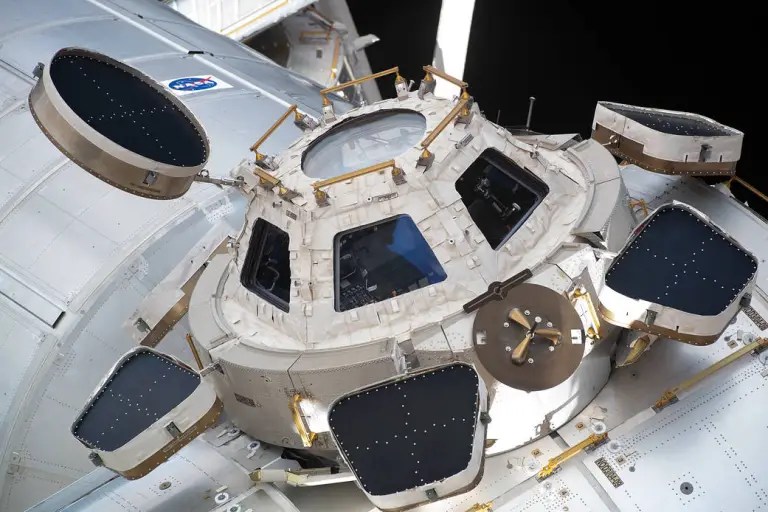
Image (Credit): The ISS’s “window to the world” is pictured from the Nauka Multipurpose Laboratory Module. (NASA)
“We expected a launch market that was going to take off. We expected tourism to take off. We expected the ability to do research and technology development on the International Space Station, bring it back to Earth and mass produce it…We’re not seeing any of those three things.”
–Statement by Joel Montalbano, NASA’s acting associate administrator for space operations, addressing the need for NASA to build onto the current International Space Station (ISS), which is part of the newly announced NASA space initiatives. Mr. Montalbano was speaking at a March 25th hearing before the House Committee on Science, Space, and Technology, Subcommittee on Space and Aeronautics. The vice ranking member of the full committee, Rep. George Whitesides (D-CA), questioned NASA’s new approach, stating:
Based on the old plan, several companies raised probably in excess of $2 billion in private capital and did so on the expectation that NASA would follow through…My concern is that if NASA is not a reliable partner for private investors, we’re not going to get that money and we’re not going to then save money by being able to cost-share with the private sector.
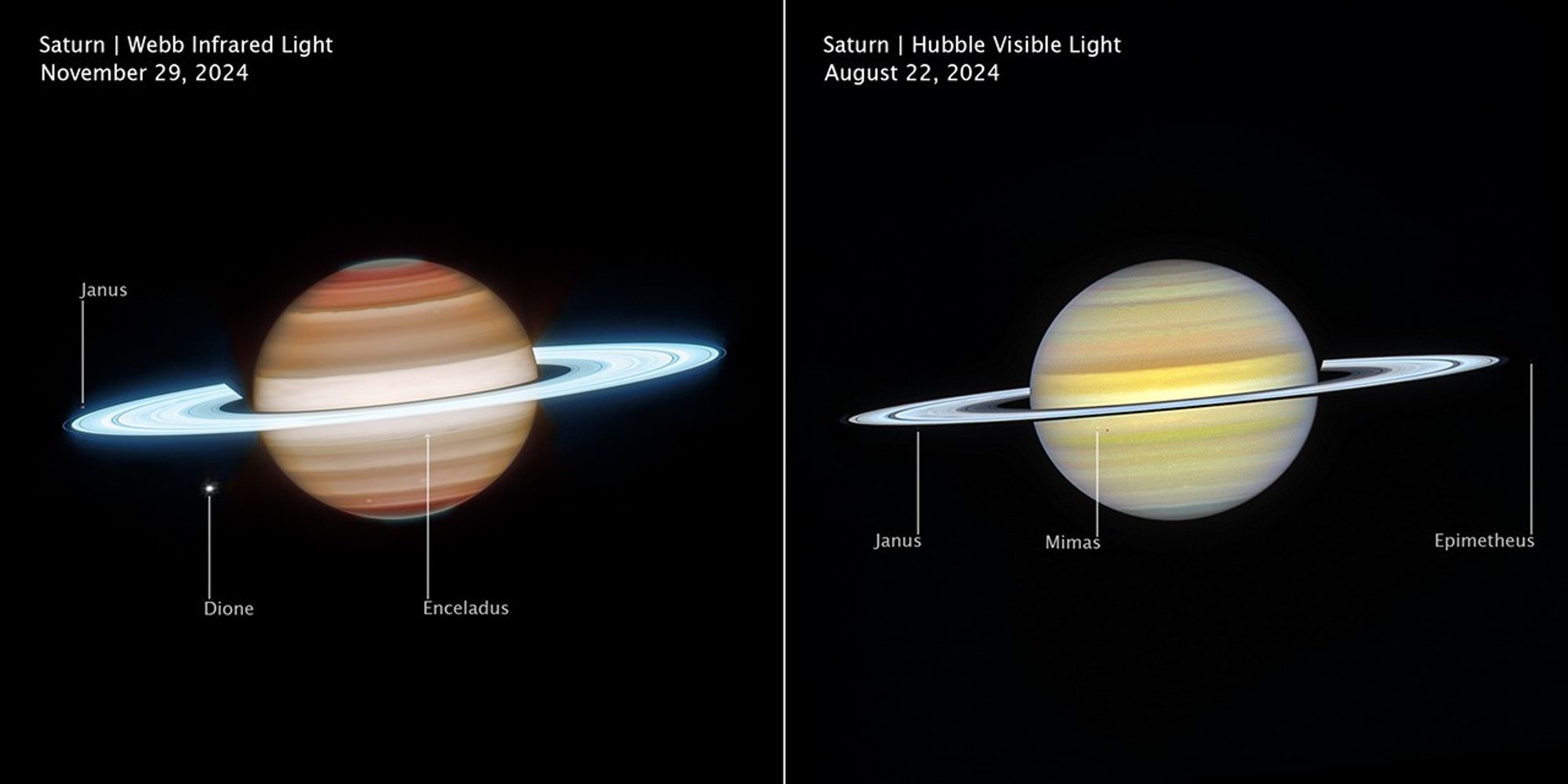
Image (Credit):Two views of Saturn, one from NASA’s JWST and the second from the Hubble Space Telescope. (NASA, ESA, CSA, STScI, Amy Simon (NASA-GSFC), Michael Wong (UC Berkeley); Image Processing: Joseph DePasquale (STScI))
This week’s images of Saturn from 2024 were just released by NASA. They show the planet in a variety of ways, depending on the telescope and instruments being used. The James Webb Space Telescope (JWST or Webb) and Hubble Space Telescope each have their own unique abilities that can bring the distant gas giant to life.
In its comments on the two images above, NASA noted:
Together, scientists can effectively ‘slice’ through Saturn’s atmosphere at multiple altitudes, like peeling back the layers of an onion. Each telescope tells a different part of Saturn’s story, and the observations together help researchers understand how Saturn’s atmosphere works as a connected three-dimensional system. Both complement previous observations done by NASA’s Cassini orbiter during its time studying the Saturnian system from 1997 to 2017...These 2024 observations, taken 14 weeks apart, show the planet moving from northern summer toward the 2025 equinox. As Saturn transitions into southern spring, and later southern summer in the 2030’s, Hubble and Webb will have progressively better views of that hemisphere.

 Our Awesome Universe