Study Findings: Archaeology in Space: The Sampling Quadrangle Assemblages Research Experiment (SQuARE) on the International Space Station. Report 1: Squares 03 and 05

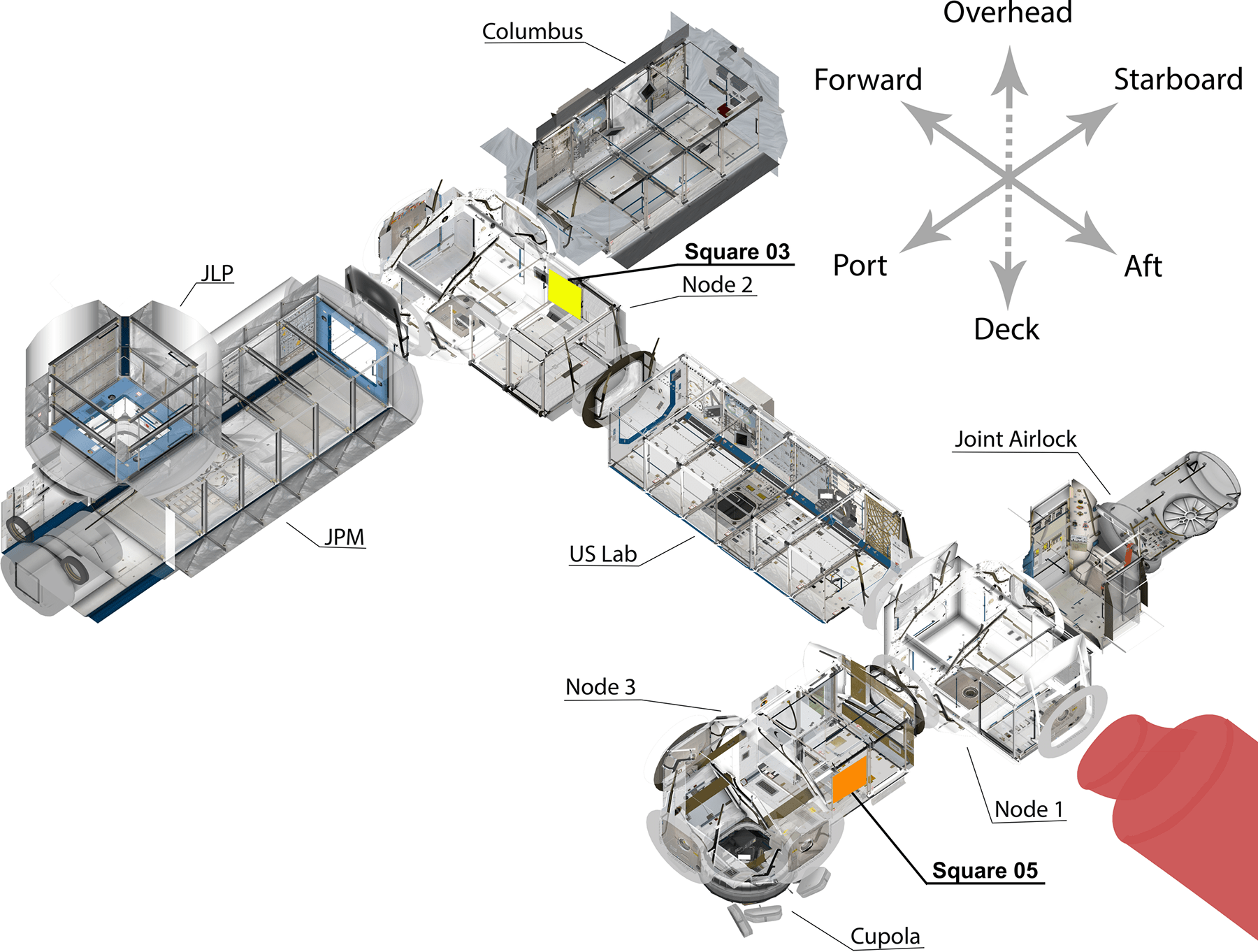
Image (Credit): A cutaway image of the International Space Station’s US Orbital Segment, showing the locations of Square 03 (at upper center, in yellow) and 05 (at lower right, in orange). (Tor Finseth, by permission, modified by Justin Walsh)

PLoS ONE abstract of the study findings:

Between January and March 2022, crew aboard the International Space Station (ISS) performed the first archaeological fieldwork in space, the Sampling Quadrangle Assemblages Research Experiment (SQuARE). The experiment aimed to: (1) develop a new understanding of how humans adapt to life in an environmental context for which we are not evolutionarily adapted, using evidence from the observation of material culture; (2) identify disjunctions between planned and actual usage of facilities on a space station; (3) develop and test techniques that enable archaeological research at a distance; and (4) demonstrate the relevance of social science methods and perspectives for improving life in space. In this article, we describe our methodology, which involves a creative re-imagining of a long-standing sampling practice for the characterization of a site, the shovel test pit. The ISS crew marked out six sample locations (“squares”) around the ISS and documented them through daily photography over a 60-day period. Here we present the results from two of the six squares: an equipment maintenance area, and an area near exercise equipment and the latrine. Using the photographs and an innovative webtool, we identified 5,438 instances of items, labeling them by type and function. We then performed chronological analyses to determine how the documented areas were actually used. Our results show differences between intended and actual use, with storage the most common function of the maintenance area, and personal hygiene activities most common in an undesignated area near locations for exercise and waste.

Citation: Walsh JSP, Graham S, Gorman AC, Brousseau C, Abdullah S, Archaeology in space: The Sampling Quadrangle Assemblages Research Experiment (SQuARE) on the International Space Station. Report 1: Squares 03 and 05. PLoS ONE 19(8): e0304229 (2024).
https://doi.org/10.1371/journal.pone.0304229

Study-related stories:
ScienceAlert

Archaeology Magazine

Popular Science

Summer Movies Are Not What They Used To Be

Credit: Macmillan Publishers

When you consider the weak showing of films this summer, particularly space-related films, its enough to make you give up and go online to revisit the classics. If you do so, you will probably bump into a number of great films that all appeared over eight weeks in the summer of 1982, including E.T. the Extra-Terrestrial, Star Trek: Wrath of Khan, and Blade Runner.

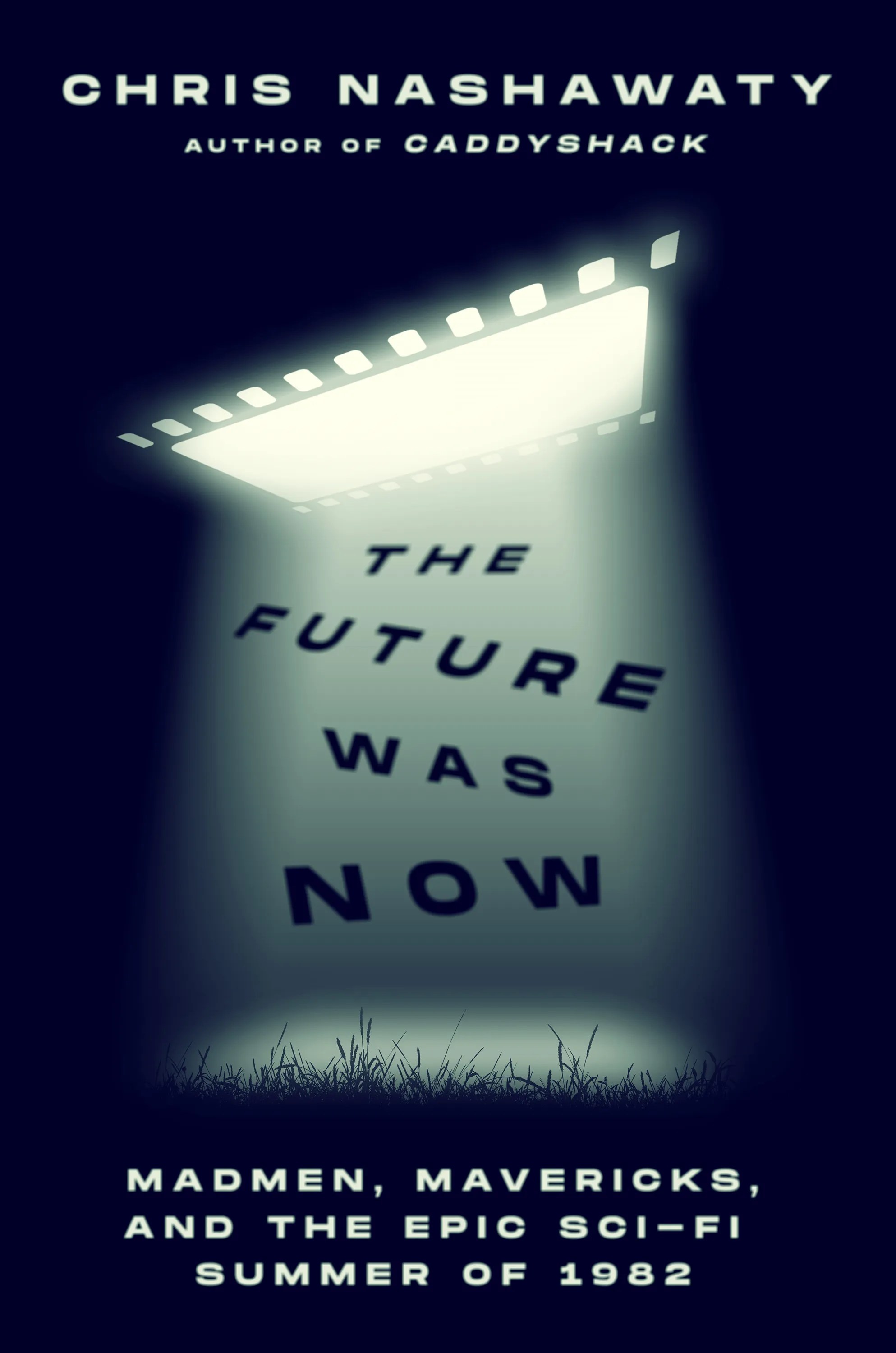
You can read all about this wealth of movie magic that one summer in Chris Nashawaty’s book The Future Was Now: Madmen, Mavericks, and the Epic Sci-Fi Summer of 1982. Here is the pitch for the book:

In the summer of 1982, eight science fiction films were released within six weeks of one another. E.T., Tron, Star Trek: Wrath of Khan, Conan the Barbarian, Blade Runner, Poltergeist, The Thing, and Mad Max: The Road Warrior changed the careers of some of Hollywood’s now biggest names—altering the art of movie-making to this day.

In The Future Was Now, Chris Nashawaty recounts the riotous genesis of these films, featuring an all-star cast of Hollywood luminaries and gadflies alike: Steven Spielberg, at the height of his powers, conceives E.T. as an unlikely family tale, and quietly takes over the troubled production of Poltergeist, a horror film he had been nurturing for years. Ridley Scott, fresh off the success of Alien, tries his hand at an odd Philip K. Dick story that becomes Blade Runner—a box office failure turned cult classic. Similar stories arise for films like Tron, Conan the Barbarian, and The Thing. Taken as a whole, these films show a precarious turning-point in Hollywood history, when baffled film executives finally began to understand the potential of high-concept films with a rabid fanbase, merchandising potential, and endless possible sequels.

Expertly researched, energetically told, and written with an unabashed love for the cinema, The Future Was Now is a chronicle of how the revolution sparked in a galaxy far, far away finally took root and changed Hollywood forever.

Of course, the book may simply depress you when you think of the current state of cinema more than 40 years later. Yes, we have Dune and the nth release of Aliens, but for the most part Hollywood is not offering today’s generation films that make them dream about a different future (and I don’t mean a future with men in spandex).

I just hope we have more up and coming Spielbergs, Scotts, and Dicks out there who read this book and take it as a challenge to make American cinema exciting again.

Audit Report: Concerns about the Gateway Space Station

Credit: NASA

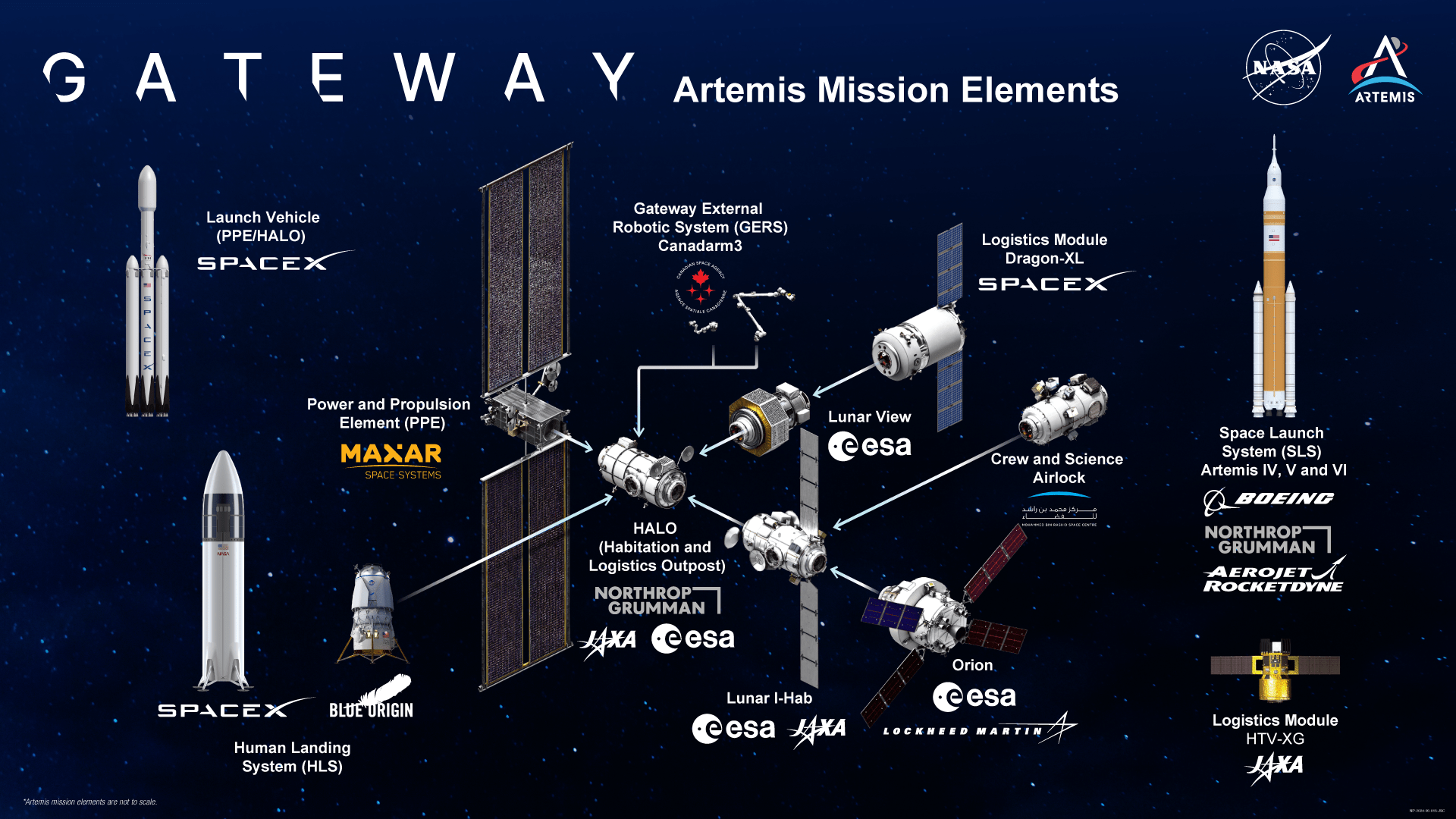
In a recent audit report, Artemis Programs: NASA Should Document and Communicate Plans to Address Gateway’s Mass Risk, the Government Accountability Office (GAO) expressed some concerns about NASA’s Gateway space station, which will orbit the moon as part of Artemis IV . Specifically, the concerns relate to the first components of the space station to be launched in December 2027 —the Power and Propulsion Element (PPE) and the Habitation and Logistics Outpost (HALO).

In the report, GAO states:

The Gateway program’s projects—including PPE and HALO—made varying degrees of progress over the last year. However, the PPE and HALO projects face several significant challenges. For example, their combined mass is greater than their mass target. Mass is one of many factors that the program considers in its overall design. If they cannot meet their mass target, it may affect their ability to reach the correct lunar orbit.

The report goes on to state:

For example, program officials estimate that the mass of the lunar lander Starship is approximately 18 times greater than the value NASA used to develop the PPE’s controllability parameters.

NASA agrees with the single GAO recommendation in this report, which recommends that a mass management be ready for an upcoming review in September 2024.

There is a lot to read in the 52 page report, but the real question is whether NASA will be ready for the 2027 Gateway launch. This is a ongoing concern given that we are already seeing delays in other parts of the Artemis program.

Pic of the Week: Cygnus Approaching

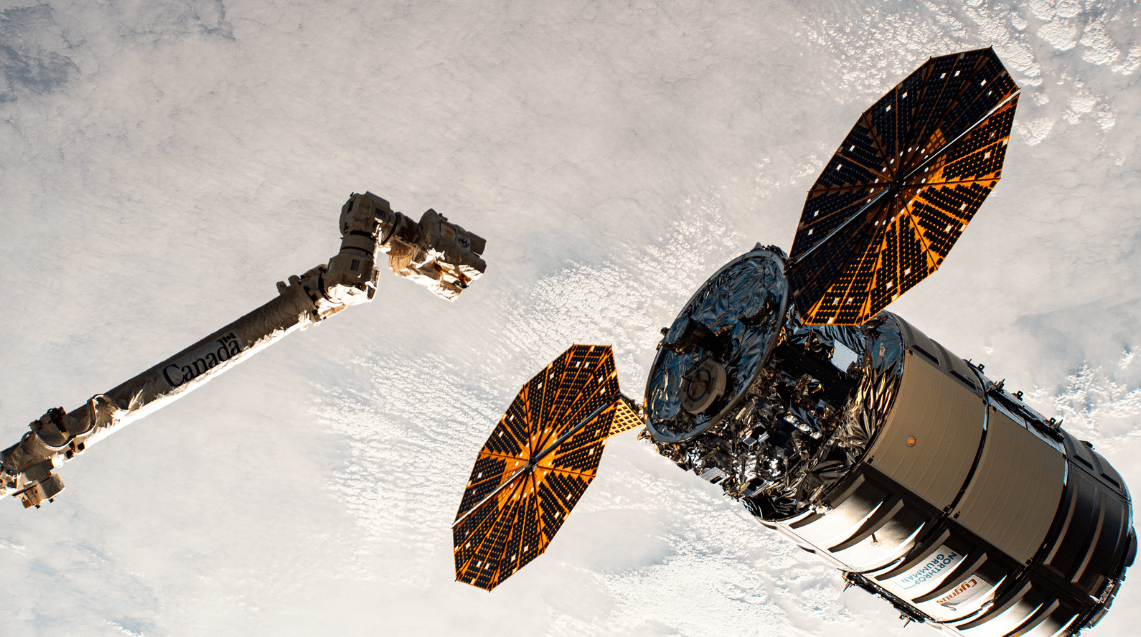
Image (Credit): The Cygnus cargo craft outside the ISS this week. (NASA)

This week’s image is from the International Space Station (ISS). It shows Northrop Grumman’s Cygnus resupply capsule on August 6, 2024 as the International Space Station’s (ISS) Canadarm2 robotic arm attempts to capture it. NASA noted that this Canadarm2 maneuver marked the 50th free-flying capture for the robotic arm.

Starliner: Return Date Now 2025

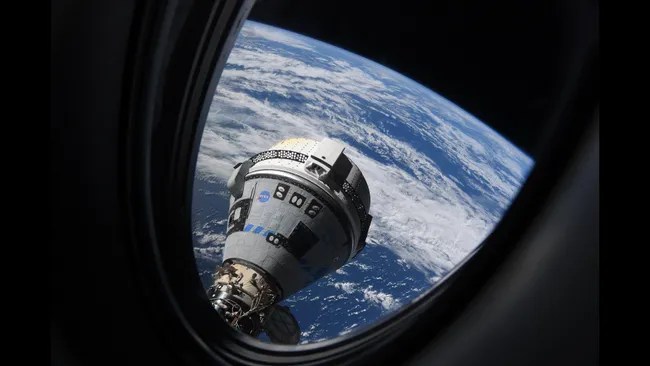
Image (Credit): Boeing’s Starliner capsule viewed from the ISS. (ESA)

I did not think it could get worse, but it has. NASA has announced that Boeing’s Starliner capsule attached to the International Space Station (ISS) might not return until next year, making it an unwanted appendage on a busy space station.

At a press conference today, NASA discussed leaving the two Boeing astronauts on the ISS until February 2025 and cutting in half the planned crew for the September 24 SpaceX Dragon mission. This would keep the number of astronauts on the space station to its normal number. There was also discussion about bringing the Boeing astronauts back on another capsule if the Starliner was not ready.

This looks bad for Boeing and NASA’s commercial space efforts. Boeing does not agree with NASA’s assessment, stating in an August 2 mission update:

Boeing remains confident in the Starliner spacecraft and its ability to return safely with crew. We continue to support NASA’s requests for additional testing, data, analysis and reviews to affirm the spacecraft’s safe undocking and landing capabilities. Our confidence is based on this abundance of valuable testing from Boeing and NASA. The testing has confirmed 27 of 28 RCS thrusters are healthy and back to full operational capability. Starliner’s propulsion system also maintains redundancy and the helium levels remain stable. The data also supports root cause assessments for the helium and thruster issues and flight rationale for Starliner and its crew’s return to Earth.

All of this is happening while the ISS crew are unloading supplies from a recently arrived Northrop Grumman Cygnus cargo capsule launched over the weekend. It does make you wonder whether Grumman should be the next best hope for a crewed capsule rather than Boeing. Grumman has a proven track record of more than 20 resupply runs. Clearly, crewed capsule are different, but it is something to consider.

Sierra Space is also testing its Dream Chaser next month, which is also expected to make cargo runs to the ISS. It this another potential crew option down the road?

The purpose of commercial involvement was greater options. Let’s work on expanding those options as quickly as possible. Placing all of our eggs in the Elon Musk SpaceX basket makes me nervous as he calls for civil war in the United Kingdom.