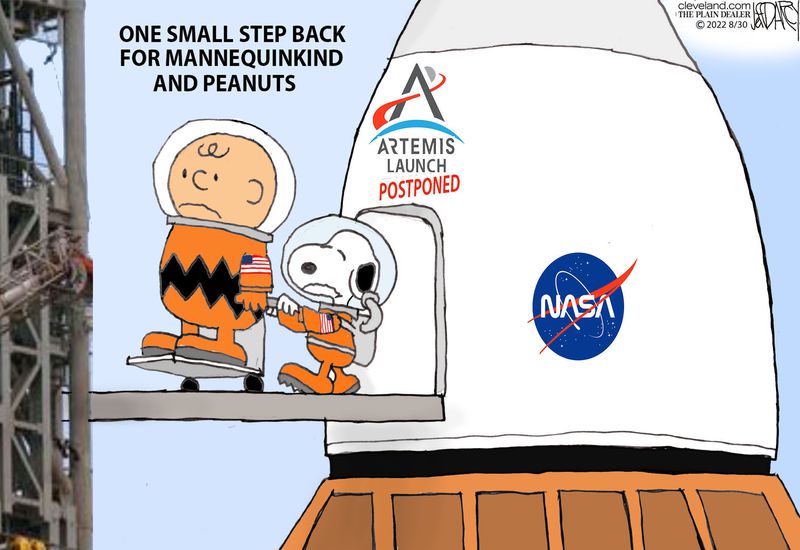
According to Artemis blog, NASA is looking at a new Artemis I launch date of either September 23 or September 27. The blog states NASA has requested the following launch periods:
Sept 23: Two-hour launch window opens at 6:47 a.m. EDT; landing on Oct. 18
Sept. 27: 70-minute launch window opens at 11:37 a.m.; landing on Nov. 5
Someone needs to update NASA’s Artemis I web-page, which as of today still shows a September 3, 2022 launch date.
Success is key for NASA to keep the momentum. Before the planned September 3rd launch, The Economist magazine (paper version) had an article titled “A Flying Turkey,” with the subtitle “The Space Launch System is yesterday’s rocket, powered by yesterday’s technology and brought about by yesterday’s thinking.” In addition to listing the Frankenstein approach used to cobble together a mission that makes reusable components non-reusable, it highlighted the ugly politics out of Alabama under Senator Shelby, calling the rocket system the “Senate Launch System.” The only endearing qualities of the Artemis missions appeared to be the commercial components under the last Artemis phase utilizing commercial partners.
This criticism is not new, but it will continue while NASA struggles to get Artemis I underway. We have already skipped out on the Moon for the last 50 years. Let’s get our heads back in the game!
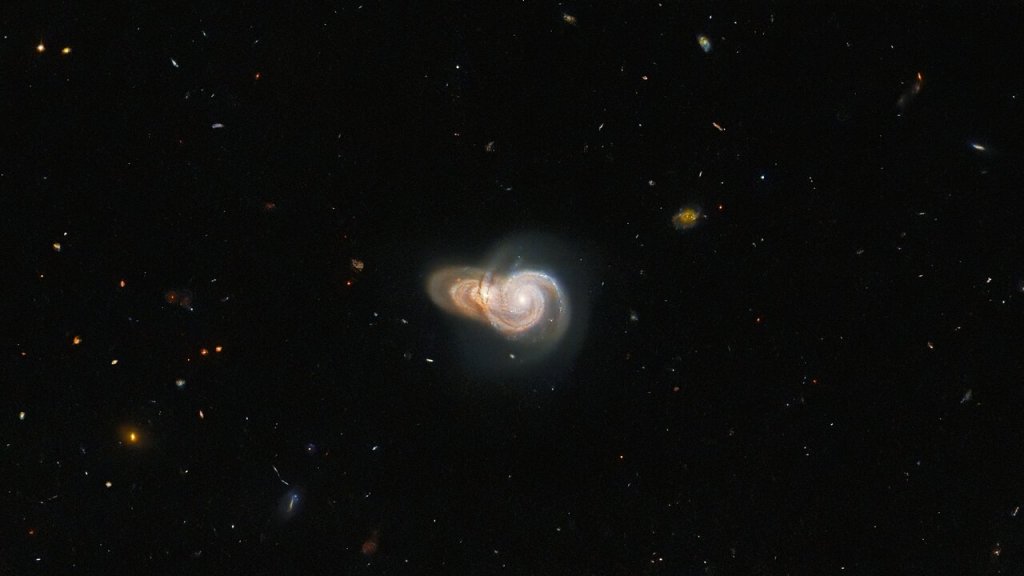
Image (Credit): Two spiral galaxies about 1 billion light-years away captured by the Hubble. (European Space Agency)
This week’s fascinating image from the NASA/ESA Hubble Space Telescope shows what appears to be two colliding spiral galaxies. A cropped version is shown below to highlight the colors. Here is more from ESA:
The two galaxies, which have the uninspiring names SDSS J115331 and LEDA 2073461, lie more than a billion light-years from Earth. Despite appearing to collide in this image, the alignment of the two galaxies is likely just by chance — the two are not actually interacting. While these two galaxies might simply be ships that pass in the night, Hubble has captured a dazzling array of interacting galaxies in the past.
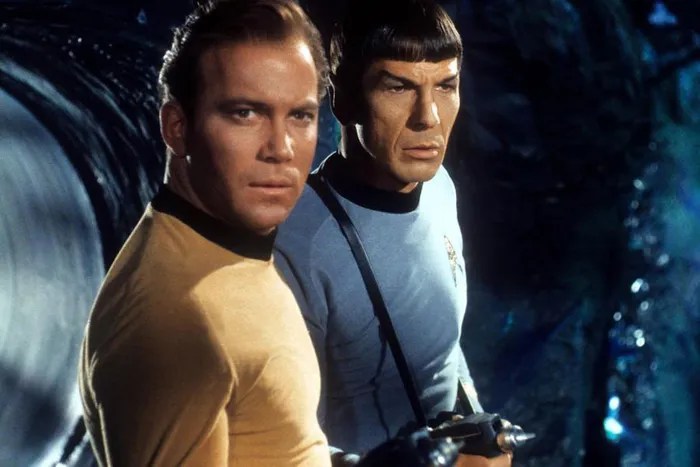
Image (Credit): Captain Kirk and Mr. Spock from Star Trek. (Paramount Pictures)
On this day in 1966, NBC television broadcast the first episode of Star Trek. The new series lasted for three seasons. It was the beginning of a “cultural phenomena,” to quote Leonard Nimoy from the 1991 television special, Star Trek 25th Anniversary Special.
While it may not technically meet the definition of astronomy, it definitely impacted many astronomers and other scientists. In 2016, NASA wrote about the technology and ideas in the Star Trek series that later matched up with reality or might exist someday. Here are two examples:
Communicators: Like Star Trek communicators, cell phones are ubiquitous now, to an annoying extent, and images and videos made with them are now collected and exchanged obsessively. Landing parties in past Star Trek shows only gave verbal reports, and did not send back images and videos, as today’s people would.
Impulse Engines: These are rocket engines based on the fusion reaction. We don’t have the technology for them yet – they are far ahead of our present chemical-fueled rockets – but they are within the bounds of real, possible future engineering.
Some Star Trek episodes also mentioned ion drive. In recent decades, Russian, U.S., European, and Japanese spacecraft have used ion drive engines, known as Hall thrusters. They are much more efficient than the usual chemical rockets and have been capable of propelling probes to asteroids and comets in our solar system.
Theoretical physicist and cosmologist Lawrence Krauss, writer of The Physics of Star Trek, also shared his insights on the influence of Star Trek in this video, Trek Talks: Lawrence Krauss on Star Trek and Science. He is among many who have seen the beneficial role of science fiction.
Fortunately, the Star Trek television and movie universe is going strong and can continue influencing young minds ready to explore this universe of ours.
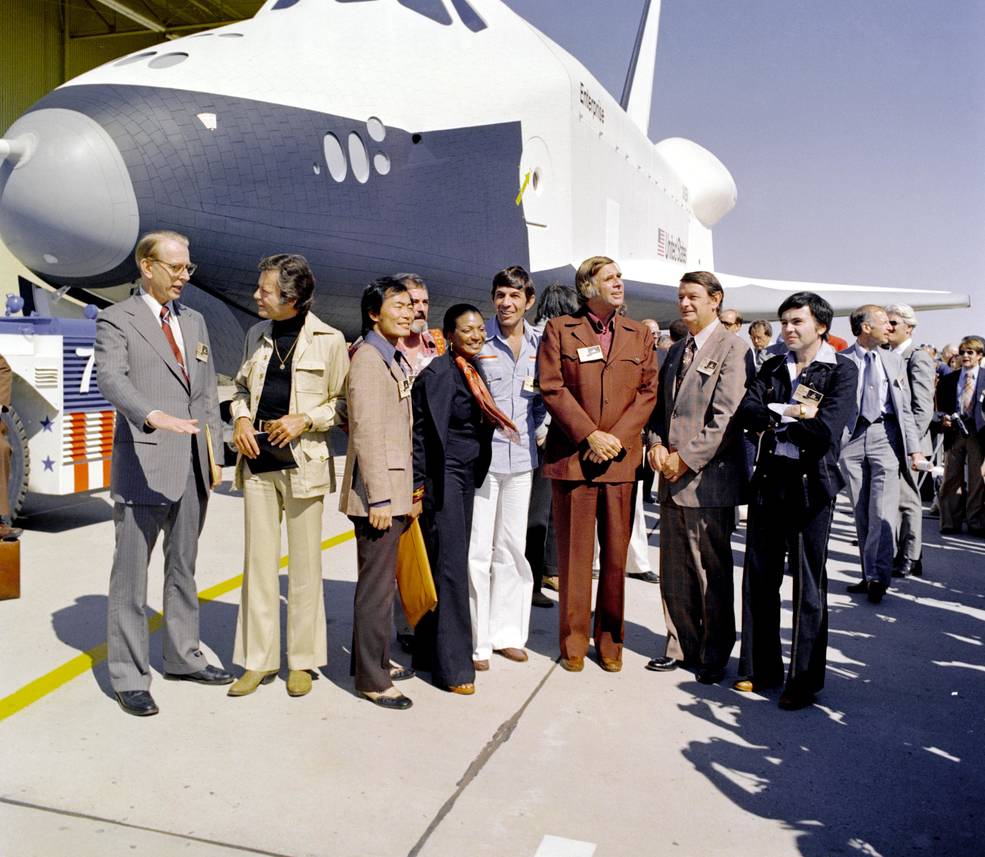
Image (Credit): In 1976, NASA’s space shuttle Enterprise rolled out of the Palmdale manufacturing facilities and was greeted by NASA officials and cast members from the Star Trek television series. From left to right they are: NASA Administrator Dr. James D. Fletcher; DeForest Kelley, who portrayed Dr. “Bones” McCoy on the series; George Takei (Mr. Sulu); James Doohan (Chief Engineer Montgomery “Scotty” Scott); Nichelle Nichols (Lt. Uhura); Leonard Nimoy (Mr. Spock); series creator Gene Roddenberry; U.S. Rep. Don Fuqua (D.-Fla.); and, Walter Koenig (Ensign Pavel Chekov). (NASA)
Extra: The pilot episode of Star Trek was named “The Man Trap.” It was not really the pilot but instead an episode in the wrong order, and the original pilot was dropped, but that is beside the point. The point is that it was bad. Really bad. You can read all about it in this article from Entertainment Weekly, “Star Trek Turns 50: A Look Back at the Desperately Sad First Episode.”
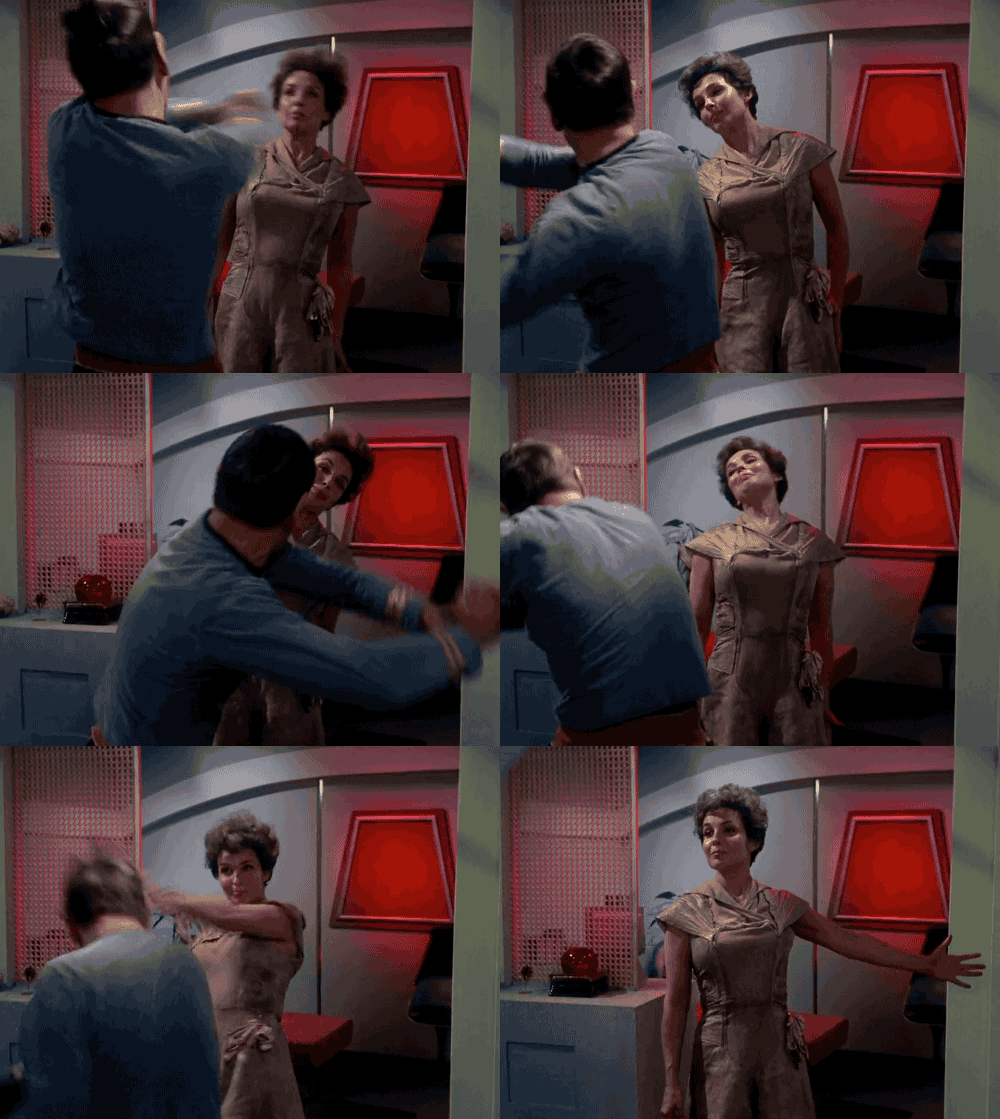
Image (Credit): Spock and Nancy in Star Trek’s “The Man Cage.” (Paramount Pictures)
Take a look at the image above. Can you determine where this image originated? Take a guess and then check your answer by going to the menu and selecting the “Where is This? The Answer Sheet” page.
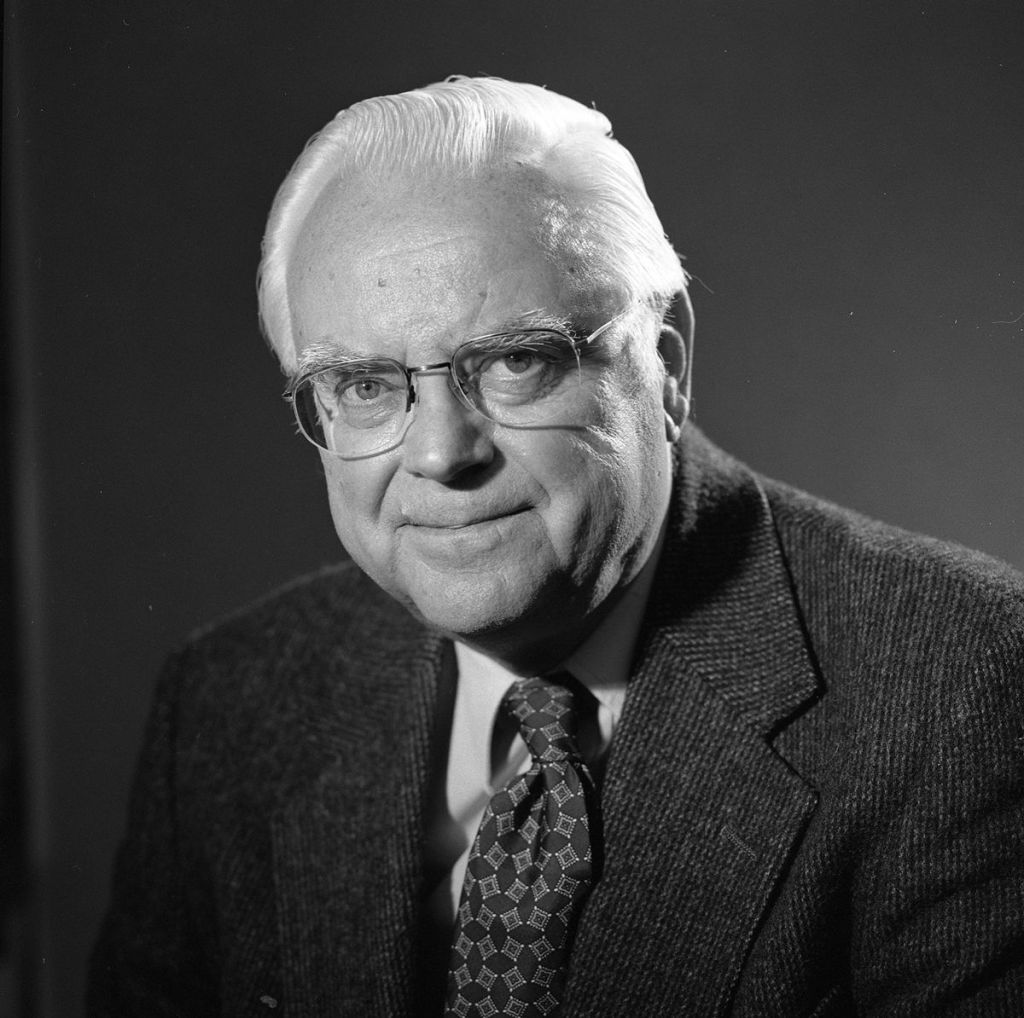
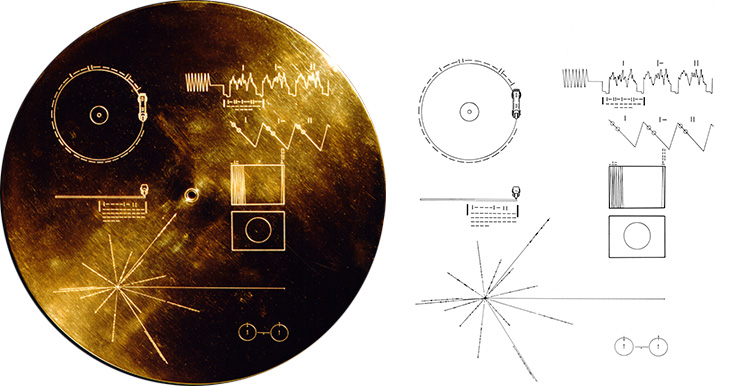
In addition to giving us the famous Drake Equation pertaining to the potential existence of extraterrestrial intelligence in our galaxy, he spent his life looking for signs that we are not alone and served as the president of the SETI Institute as well as director of the SETI Institute’s Carl Sagan Center for the Study of Life in the Universe. Among many other things, he also worked with Carl Sagan on the “Golden Record” placed in the Voyager spacecraft.
One thing that comes across from interviews is that he was a very hopeful man who did not tire easily. In an earlier interview with Space.com, he shared this unique view of our space neighbors:
That reminds me of something else. We have learned, in fact, that gravitational lensing works. If they [aliens] use their star as a gravitational lens, they get this free, gigantic, super-Arecibo free of charge. They are not only picking up our radio signals, but they have been seeing the bonfires of the ancient Egyptians. They can probably tell us more about ourselves than we know … they’ve been watching all these years.
You can watch Mr. Drake discuss gravitational lens and more in this earlier lecture on YouTube. You can also learn much more about Mr. Drake’s career and activities at FamousScientists.org.
Image (Credit): The Voyager Golden Record cover shown with its extraterrestrial instructions. (NASA/JPL)