Pic of the Week: The Best of 2024

Image (Credit): Odysseus Leaves Earth. (Intuitive Machines)

This week’s image is the best space exploration image winner in The Planetary Society’s Best of 2024 contest. It shows the Odysseus lunar lander, launched on February 15, leaving the Earth behind as it travels to the Moon. You can read more about the lunar mission to the lunar South Pole by visiting this NASA mission page.

Visit The Planetary Society for more on the Best of 2024 winners, including the most exciting upcoming planetary science mission. I won’t spoil the news. You can read about it yourself.

Do You Have Some Ideas for Lunar or Martian Art?

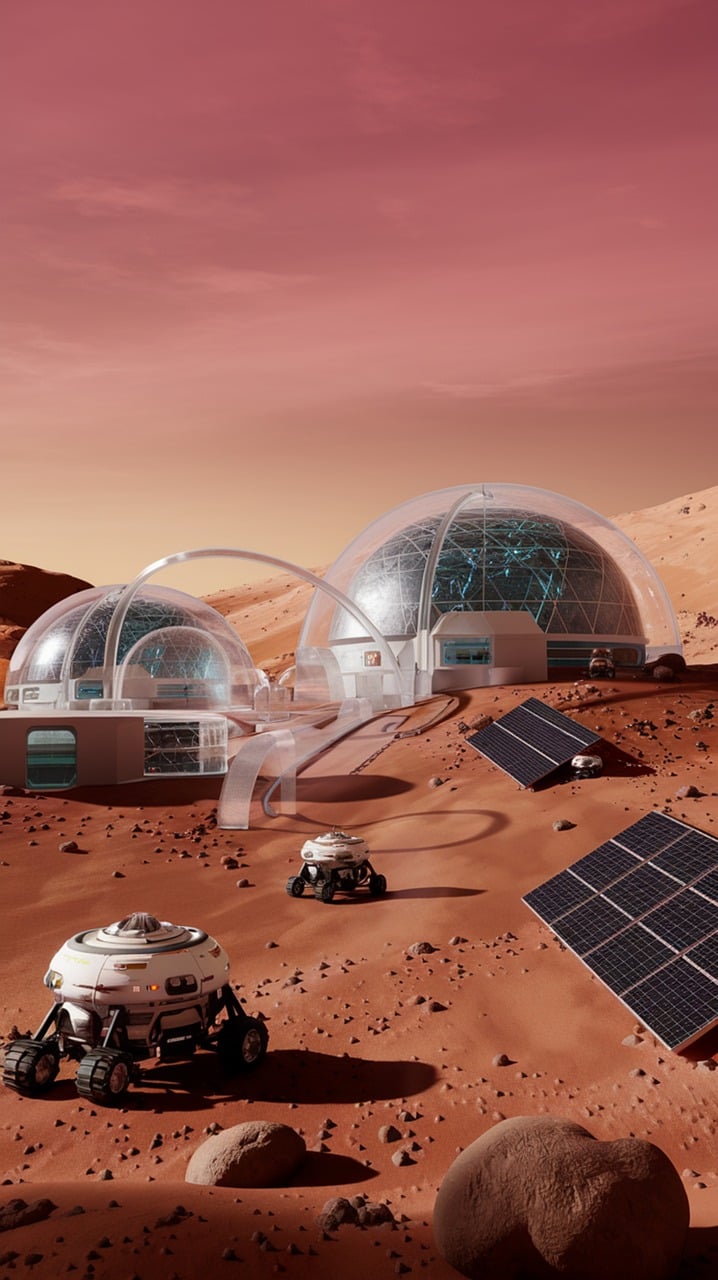
mage (Credit): AI image of a Martian colony. (Yol Gezer from Pixabay)

Do you have some time on your hands? If so, you may want to toss in a submission to the Moon to Mars contest being held by NASA.

Starting this week through October 31, you can submit your artistic interpretation of two topics: “Sustained Lunar Evolution” and “Humans to Mars.” The artist with the best image can win $10,000.

In terms of two categories, more definition from NASA is provided below.

Sustained Lunar Evolution Segment: This segment is an open canvas for exploration of the Moon, embracing new ideas, systems, and partners to grow to a long-term presence on the lunar surface. Sustained lunar evolution means more astronauts on the Moon for longer periods of time, increased opportunities for science, and even the large-scale production of goods and services derived from lunar resources. It also means increased cooperation and collaboration with international partners and the aerospace industry to build a robust lunar economy.

Humans to Mars Segment: This segment will see the first human missions to Mars, building on the lessons we learn from exploring the Moon. These early missions will focus on Martian exploration and establishing the foundation for a sustained Mars presence. NASA architects are examining a wide variety of options for transportation, habitation, power generation, in-situ resource utilization, scientific investigations, and more. How many missions would it take? How many astronauts? What sorts of technologies?

You can learn more about the contest here.

Just in case you were wondering, AI art cannot be submitted. So don’t try to submit something like the image above, nice as it is.

Astronomy Photographer of the Year 2024

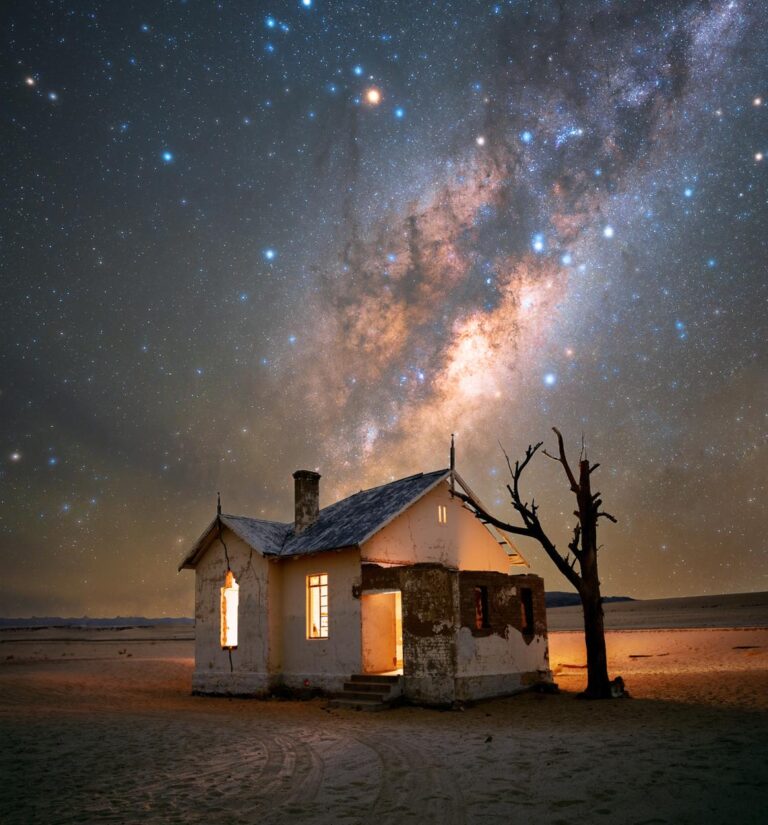
Image (Credit): Entry titled “Abandoned House.” ( Stefan Liebermann)

The Astronomy Photographer of the Year contest is underway again at the Royal Museums Greenwich. You can check out some of the shortlisted finalists for yourself to see if your idea of a winning photo matches up with the judges.

Here is a little more background on the photo above from the photographer:

In the middle of the Namib Desert you can find an abandoned house and, right above it, the Milky Way rises. I put some lights in the house, set up my star tracker and seized the opportunity. Through a veil of clouds, halos around the stars created a dream-like effect. The sky was captured with a star tracker to lower the ISO.

Check out the rest of them on your own.

Podcast: Discussing the XPrize and More

A recent episode of the StarTalk podcast, “Incentivizing the Future with Peter Diamandis,” provides an interesting tale about Mr. Diamanis’s early efforts to spur space inventions through the XPRIZE Foundation as well as his current efforts to spur innovation in other areas, such as healthcare.

It was a good reminder about the start of Virgin Galactic, which began after Burt Rutan’s experimental spaceplane SpaceShipOne won the Ansari X Prize in 2004. One can quickly forget that some of the big names in new industries were piggybacking on the earlier achievements of others, such as Elon Musk buying a pre-existing Tesla company.

If you go to the XPrize Foundation page, you will see a variety of competitions underway. The latest space-related contest is the $30 million Google Lunar XPRIZE, which was

…created with two goals in mind. To spur affordable access to the moon and give space entrepreneurs a legitimate platform to develop long-term business models around lunar transportation and to inspire the next generation of scientists, engineers, space explorers and adventurers to enter the STEM fields.

As Mr. Diamandis was encouraged by contests from early last century, let’s hope other innovators and their supporters continue to carry the torch beyond this century to see what human ingenuity can create when challenged.

Pic of the Week: Cape Byron Lighthouse Moonrise

Image (Credit): “Cape Byron Lighthouse Moonrise” by Kevin Hennessey. (Australia Geographic)

The winners of the Australia Geographic astronomy photography contest have been named, and the photo above is one that won honorable mention in the Nightscapes Category, “Cape Byron Lighthouse Moonrise” by Kevin Hennessey.

Here is a little more about the impressive image:

The full moon rises behind the Cape Byron Lighthouse at the most easterly point of mainland Australia, silhouetting a group of spectators gathered at its base. Taken through a high-powered telescope from a distance of 5.1km away makes the moon appear extraordinarily large in this photo. The shooting location had to be accurate to within a couple of meters, determined with the help of the “Photopills” iPhone app, Google Earth and an aircraft-grade GPS.