India Has Been Busy – It Now Heads for the Sun

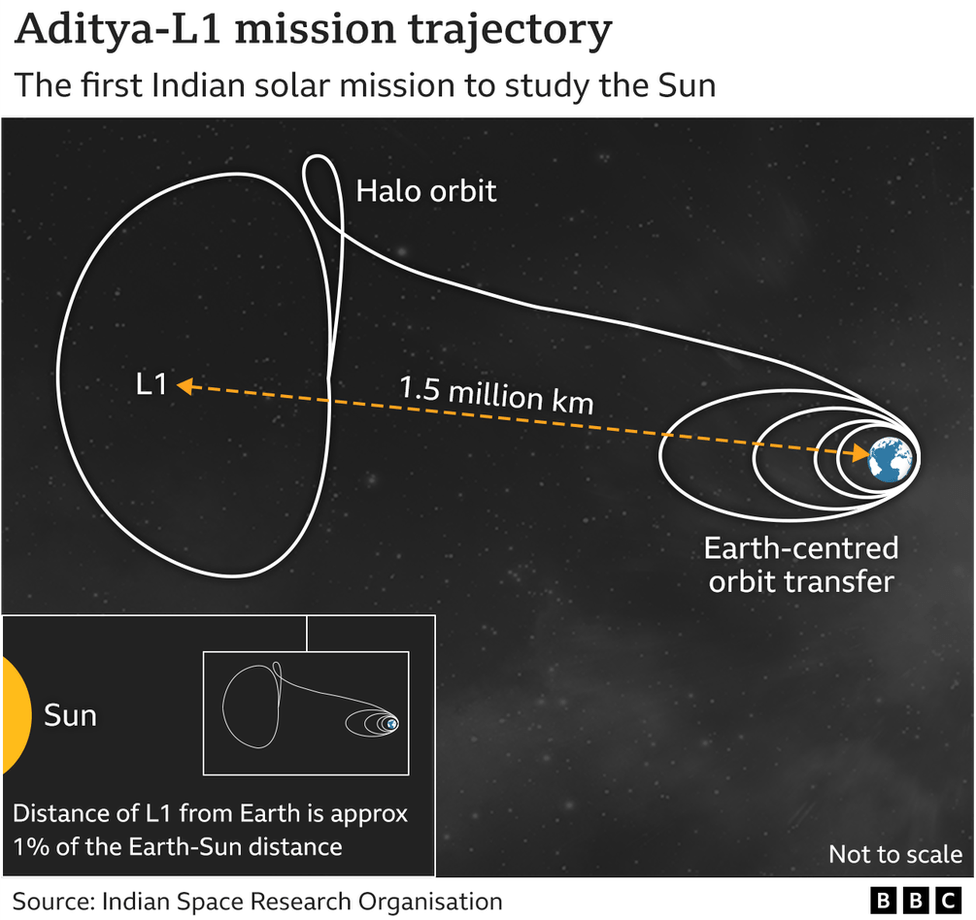
Over the weekend, India launched another important space mission. The mission of the Aditya-L1 spacecraft is to spend four months studying the outer layers of the Sun.

The Indian Space Research Organisation (ISRO) is overseeing the mission, which will come to rest at the L1 Lagrange point from where it will observe the Sun.

For more details on the mission, check out the ISRO website where you can find details about the spacecraft’s objectives and scientific equipment.

This latest mission comes right after India’s successful landing on the Moon, showing all of us that it is not resting on its laurels. The country clearly wants to be in the forefront of the space and science race.

Space Quote: The Changing Competition in Space and Elsewhere

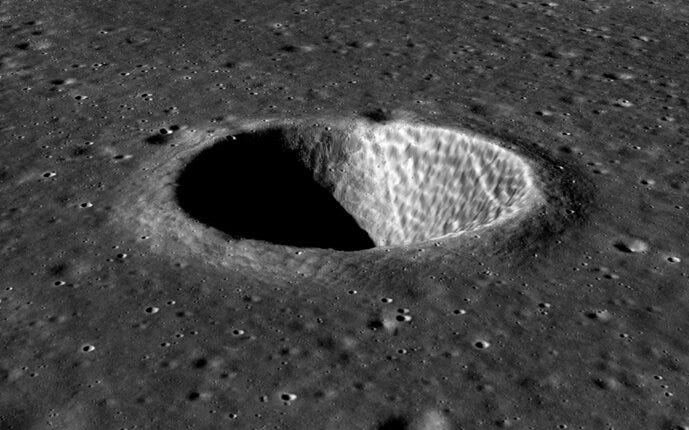
Image (Credit): 3D view of a crater on the Moon generated from images captured by Chandrayaan 2 orbiter’s Terrain Mapping Camera in 2019. (ISRO)

“…a comparison with India is illuminating: India’s economy was about half the size of Russia’s when the Berlin Wall came down in 1989. Today, India’s economy is 50 percent bigger than Russia’s. Forget about keeping pace with the United States: Russia can’t keep up with India.”

-Editorial in The Washington Post by David Von Drehle titled “India’s Brilliant Moon Landing Illuminates Russia’s Drastic Decline.” India’s steady progress on space missions, including Chandrayaan 2 back in 2019 (shown above), has occurred during Russia’s slow decline and current situation. This cannot be lost on Russia as its cosmonaut traveled to the International Space Station this weekend aboard an American rocket. Around the world, space programs are moving on without Russia, which was the leading nation at the start of the Space Age.

Pic of the Week: Another View of the Far Side of the Moon

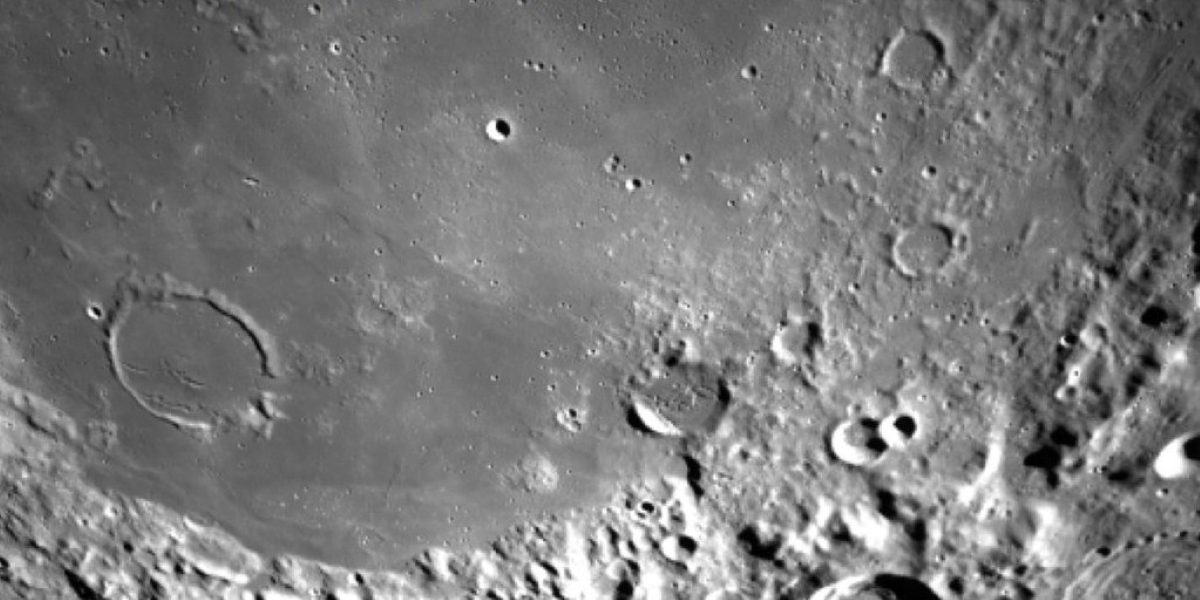
Image (Credit): Lunar surface as captured by India’s Chandrayaan-3 spacecraft. (ISRO)

This week’s image is an shot of the far side of the Moon captured by India’s Chandrayaan-3 spacecraft, which landed on the Moon yesterday. This was part of a set of photos posted to Twitter by the Indian Space Research Organization (ISRO). The various images were used by the spacecraft as it attempted to find a safe landing spot, which it fortunately found.

“India Is on the Moon”

Image (Credit): The ISRO mission control room celebrating the successful landing of the Chandrayaan-3 mission on the Moon. (ISRO)

Now that is a clear message from S. Somanath, chairman of the Indian Space Research Organization (ISRO). The Chandrayaan-3 spacecraft landed on the lunar surface at  8:34 am ET today.

India is now the fourth nation to land on the moon, not that other nations haven’t tried.

This victory is all the sweeter following Russia’s loss of the Luna-25 spacecraft. We needed some good news this week.

NASA Administrator Bill Nelson stated:

Congratulations ISRO on your successful Chandrayaan-3 lunar South Pole landing! And congratulations to India on being the 4th country to successfully soft-land a spacecraft on the Moon. We’re glad to be your partner on this mission!

NASA provided the mission with a passive laser retroreflector array for lunar ranging studies.

The mission rover (shown below) should be moving about south pole soon enough to start its experiments in the vicinity.

You can learn more about the mission and equipment at this ISRO site.

Credit: ISRO

We Await the Indian Moon Landing

Image (Credit): Images of the Moon from India’s Chandrayaan-3 spacecraft after it entered lunar orbit more than two weeks ago. (Indian Space Research Organisation)

We are down to one spacecraft approaching the Moon’s south pole – India’s Chandrayaan-3 mission, which is expected to land as early as tomorrow. This is India’s second try for a Moon landing after the loss of Chandrayaan-2, so fingers crossed. Chandrayaan-1 also sent a probe that impacted the Moon, but that was the plan.

We shall see if Indian patience beats Russian bravado.

India Prime Minister Modi put a possible spin on the past missions. Regarding Chandrayaan-1, he said:

Chandrayaan-1 is considered to be a path-breaker among global lunar missions as it confirmed the presence of water molecules on the moon. It featured in over 200 scientific publications around the world.

Even the failed second mission has its successes:

Chandrayaan-2 was equally pathbreaking because data from the Orbiter associated with it detected the presence of chromium, manganese and sodium for the first time through remote sensing. This will also provide more insights into the moon’s magmatic evolution. The key scientific outcomes from Chandrayaan 2 include the first ever global map for lunar sodium, enhancing knowledge on crater size distribution, unambiguous detection of lunar surface water ice with IIRS instrument and more. This Mission has featured in almost 50 publications.

I like the positive attitude.