Future Plans for a Spaceship to Decommission the ISS

How much does it cost to decommission a space station? Well, according to NASA as cited by London’s Daily Mail, it will cost at least $1 billion to ensure the International Space Station (ISS) finds a safe spot to crash. And NASA even has a name for the spacecraft that will be needed to steer the ISS into the Earth – the US Deorbit Vehicle (USDV) – because everything needs an fancy acronym.

The ISS is not expected to disappear until 2031, but plans are underway to start the decommissioning process now. If you want to help build the USDV you have until November of this year to share your plans with NASA (see below and visit this link). Just as we have companies in a race to put humans on the Moon again, we will now have a race for the final days of the ISS.

And where will the ISS end up? In its Requiremenst for Request Information, NASA is asking for a “controlled reentry into an unpopulated region.” It appears the goal is to aim any burning remains at Point Nemo, which is a spot in the Pacific Ocean used many times for such purposes (see the diagram above).

The US apparently has plans for an ISS replacement. I just hope at least part of the new station is in orbit by 2031. We do not need a long gap with no space station. The gap between end of the space shuttle and the restart of US-controlled rocket missions to the ISS was far too long. We have time to get it right.

Credit: NASA

Another Crew Heads for the ISS

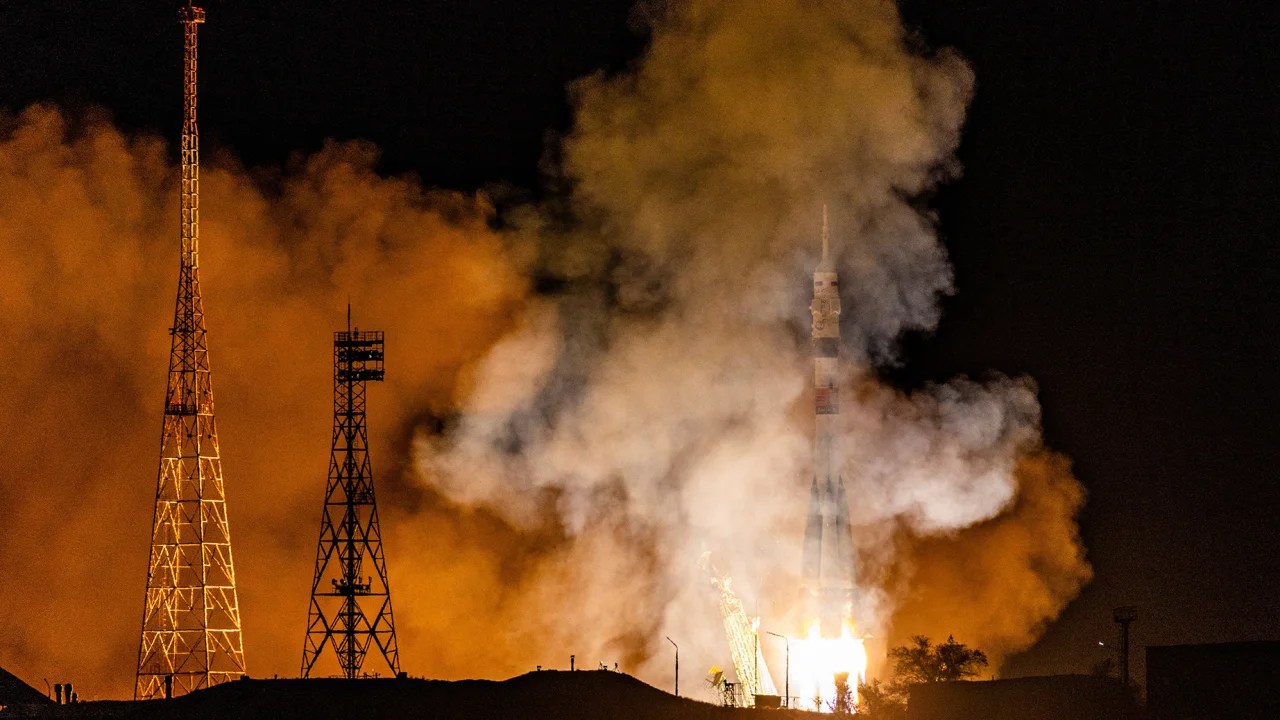
Image (Credit): The Soyuz MS-24 spacecraft blasts off to the ISS from the Baikonur Cosmodrome, Kazakhstan on September 15, 2023. (Maxim Shemetov/Reuters)

Earlier today, US astronaut astronaut Loral O’Hara as well as Roscosmos cosmonauts Oleg Kononenko and Nikolai Chub departed from Kazakhstan on a Soyuz rocket that will take them to the International Space Station (ISS). The space station will be crowded again until the three relieved crew members, including US astronaut Frank Rubio, can return to Earth.

You can watch today’s launch at this NASA site on YouTube. You can also follow the mission via NASA’s blog.

Pic of the Week: Astronaut Frank Rubio Still at Work on the ISS

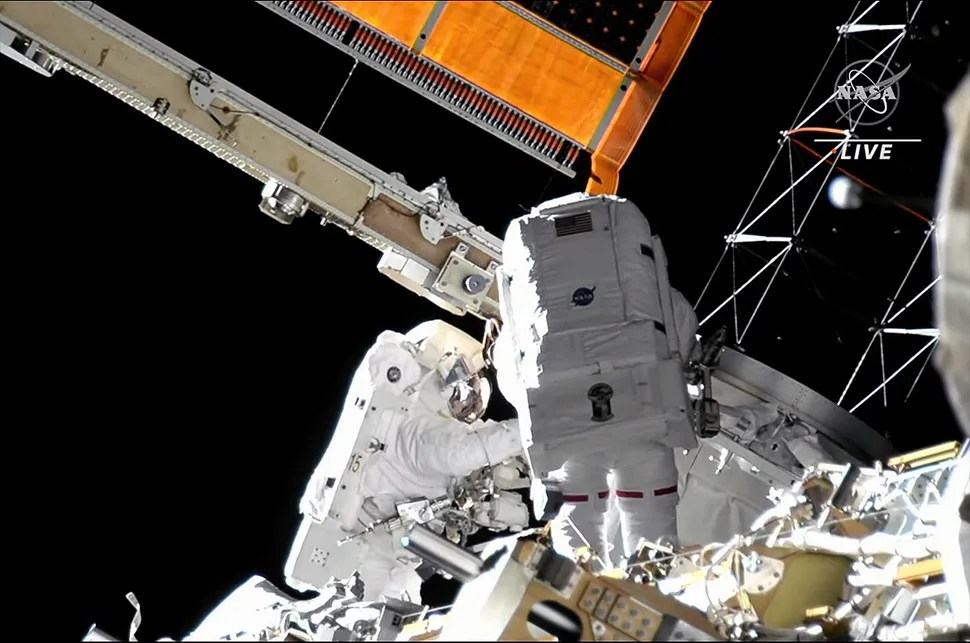
Image (Credit): NASA astronauts Frank Rubio (left) and Josh Cassada (back to camera) working outside the ISS last November. (NASA TV)

This week’s image shows astronaut Frank Rubio hard at work last year outside the International Space Station (ISS). He has now exceeded the U.S. space duration record, which was 355 days. All of this was unplanned, come as the result of a faulty Russian capsule that kept him on the station longer than his scheduled six month tour.

Mr. Rubio is set to return to Earth on September 27. At that point, he will have spent 371 days in space.

This CBS News segment discusses some of the risks related to a longer stay on the station.

Pic of the Week: Hurricane Idalia Over Florida

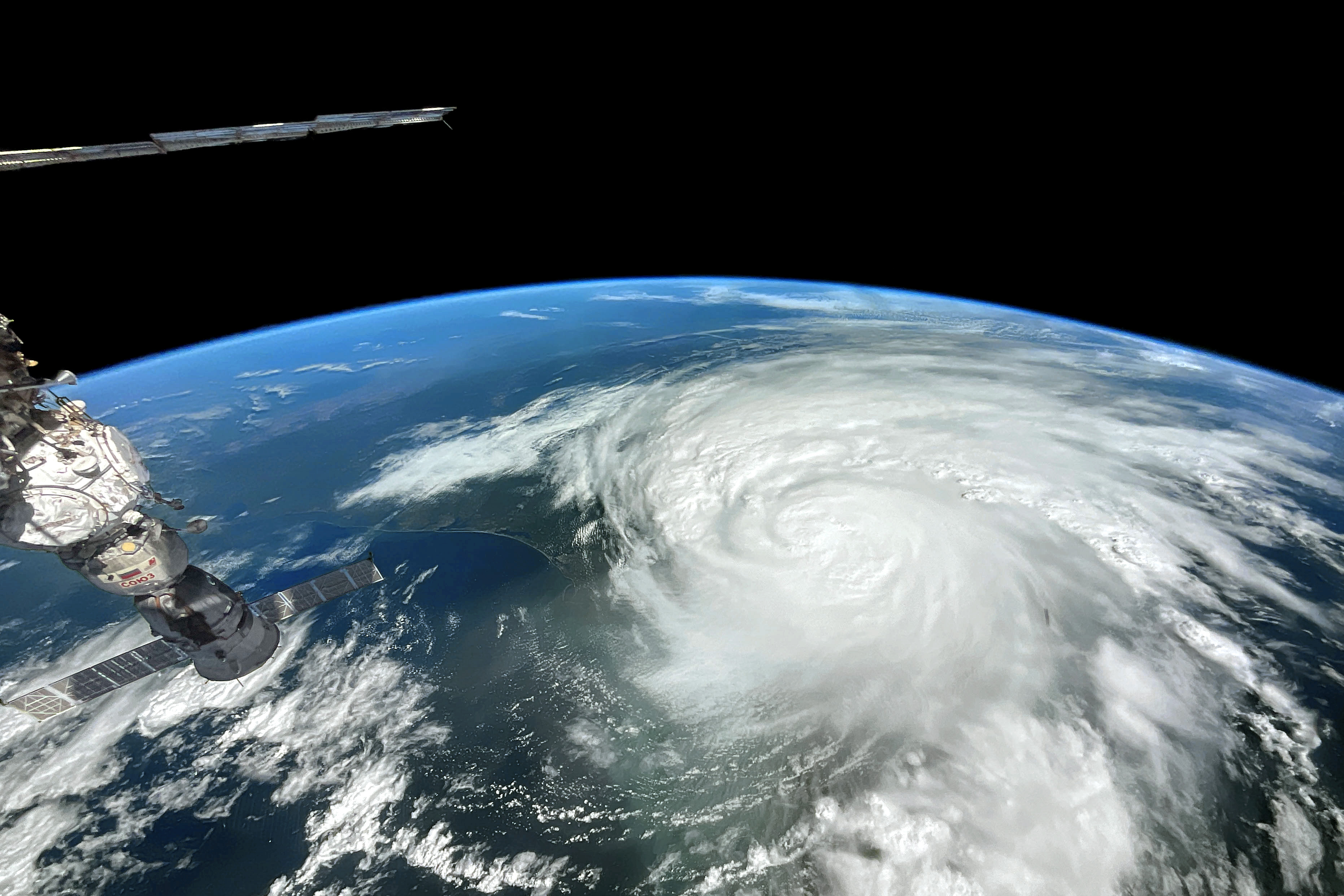
Image (Credit): Hurricane Idalia as it travels over Florida. (NASA)

The image above showing Idalia hitting Florida was captured from the International Space Station on August 30, 2023.

Here is the full explanation about the image from the site:

An astronaut on the International Space Station used a handheld camera to capture the second photo (below) at 10:44 a.m. Eastern Time (14:44 Universal Time) on August 30, several hours after landfall. Idalia had weakened to a category 1 storm by this time with sustained winds of 150 kilometers (90 miles) per hour. It continued to weaken as it moved northeast over Georgia, South Carolina, and then offshore over the Atlantic Ocean on August 31.

You can see this image and others at NASA’s Earth Observatory site.

Space Quote: The Changing Competition in Space and Elsewhere

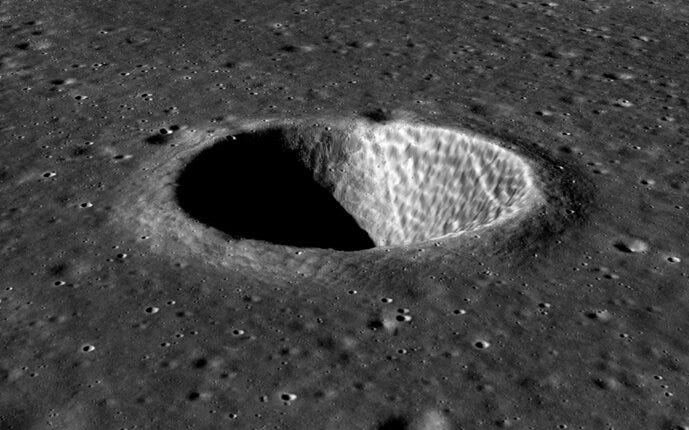
Image (Credit): 3D view of a crater on the Moon generated from images captured by Chandrayaan 2 orbiter’s Terrain Mapping Camera in 2019. (ISRO)

“…a comparison with India is illuminating: India’s economy was about half the size of Russia’s when the Berlin Wall came down in 1989. Today, India’s economy is 50 percent bigger than Russia’s. Forget about keeping pace with the United States: Russia can’t keep up with India.”

-Editorial in The Washington Post by David Von Drehle titled “India’s Brilliant Moon Landing Illuminates Russia’s Drastic Decline.” India’s steady progress on space missions, including Chandrayaan 2 back in 2019 (shown above), has occurred during Russia’s slow decline and current situation. This cannot be lost on Russia as its cosmonaut traveled to the International Space Station this weekend aboard an American rocket. Around the world, space programs are moving on without Russia, which was the leading nation at the start of the Space Age.