Space Quote: Starlab to Replace the ISS

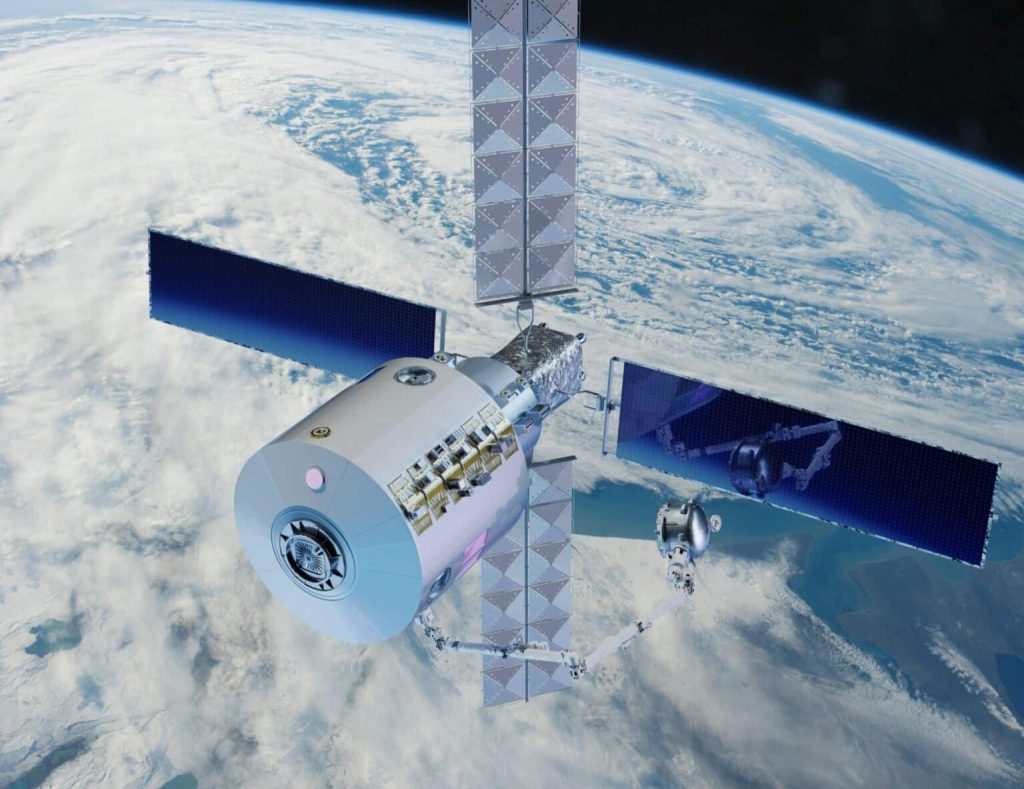
Image (Credit): Image of Starlab from the Voyager Space website. (Voyager Space)

“This partnership with Voyager Space is the first step toward fielding the next generation of space stations to serve international astronauts. We are excited to support a project aimed at changing history…This collaboration is an important step in making Starlab a reality, providing a foundation for long-lasting European and American leadership in space. Our team is looking forward to diving in on the technology and putting our best engineers to work.”

-Statement by Jean-Marc Nasr, Executive Vice President of Space Systems at Airbus Defence and Space, in a press release regarding Voyager Space and Airbus Defence and Space partnering to develop and operate Starlab in 2028. The Low-Earth Orbit space station will serve NASA, ESA, and others in the scientific community following the retirement of the International Space Station. NASA has already awarded $160 million to Voyager and Nanoracks, its operating company, to create the new space station.

Top Astronomy Stories in 2022

Image (Credit): The stellar nursery 30 Doradus, nickname of the Tarantula Nebula, captured by the James Webb Space Telescope. (webb.nasa.gov)

Given that 2022 was a busy year, I thought I would highlight the top astronomy stories on the site – the good and the bad covering space missions to TV shows. Unlike other websites, I waited until the new year to create the list just in case we were visited by extraterrestrials. In this way, we now have a full catalog of the 2022 happenings.

Here is the list in no particular order other than science first, politics and commercial space second, and entertainment third.

  1. James Webb Space Telescope begins operation – see site link here;
  2. Double Asteroid Redirection Test (DART) successfully shifts the course of an asteroid pair – see site link here;
  3. Artemis I Orion capsule successfully orbits the Moon – see site link here;
  4. Commercial satellites become an increasing threat to Earth-based telescopes – see site link here;
  5. China completes its first space station – see site link here;
  6. Boeing is closer to being the second U.S. company to send astronauts to the International Space Station – see site link here;
  7. Ukraine invasion derails the Russian space program – see site link here;
  8. Russia reconfirms support for International Space Station – see site link here;
  9. Star Trek gets it right by returning to the past with Strange New Worlds – see site link here; and
  10. Star Wars gets it right with its new Andor series. – see site link here.

I cannot wait to see what 2023 will bring.

Pic of the Week: Stunning Auroras

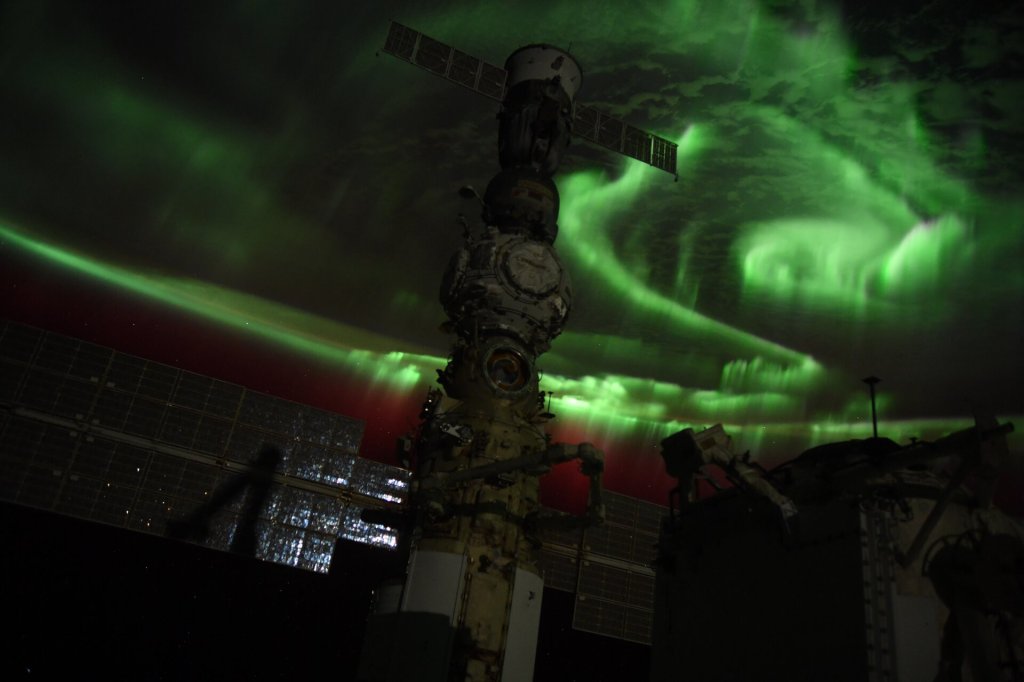
Image (Credit): View from the ISS – further description below. (ESA/NASA-S.Cristoforetti)

This week’s image is from the European Space Agency’s (ESA) Year in Images 2022 collection and shows a view from the International Space Station (ISS).

Here is the description of the image from the ESA:

Aurorae observed by ESA astronaut Samantha Cristoforetti aboard the International Space Station for her Minerva Mission. She shared these images to her social media on 21 August 2022 with the caption: “The Sun has been really active lately. Last week we saw the most stunning auroras I have ever experienced in over 300 days in space!”

You can read more about ESA astronaut Cristoforetti’s work on the ISS here.

Passengers on the “Uncrewed” Orion

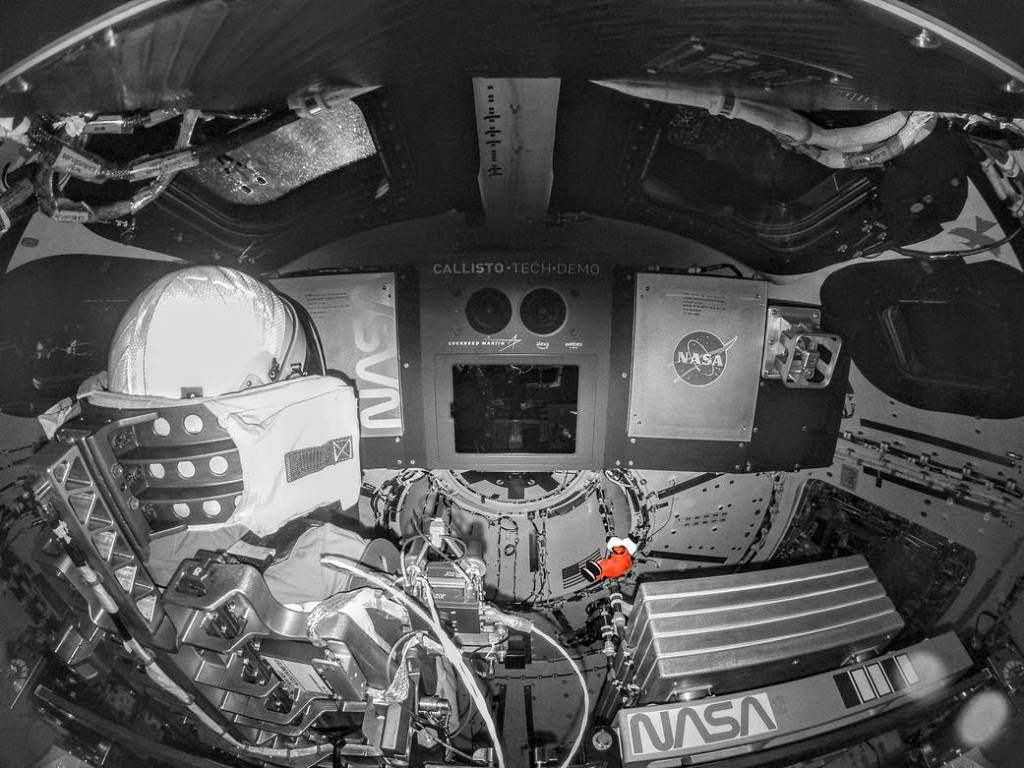
Image (Credit): Orion Lego passengers. (NASA)

Much has been discussed about the test dummies used on the Orion capsule during the recent Artemis I mission. And stories abound about the snoopy doll (show below) being the “zero-gravity” indicator on the Orion. But have you heard about the four Danish passengers on the capsule?

The Danish company Lego had four toy astronauts on the Orion capsule as well – Kate, Kyle, Julia, and Sebastian. It’s part of an educational series for children. NASA and Lego have been educational partners for a while now.

Are these the first toys in Space? Absolutely not. For instance, space shuttle astronauts have brought a teddy bear and Star Wars light saber into into orbit, among other things. And last year a SpaceX capsule sent to the International Space Station contained a stuffed penguin, which was also used as a “zeroed-gravity” indicator.

I support any endeavors to excite children about the space program. Soon enough we will see what else the Artemis program might have in store for children as well as the kids at heart.

Image (Credit): Snoopy doll floating on the Orion (color adjusted to highlight Snoopy). (NASA)

The Space Station Needs a New Life Raft

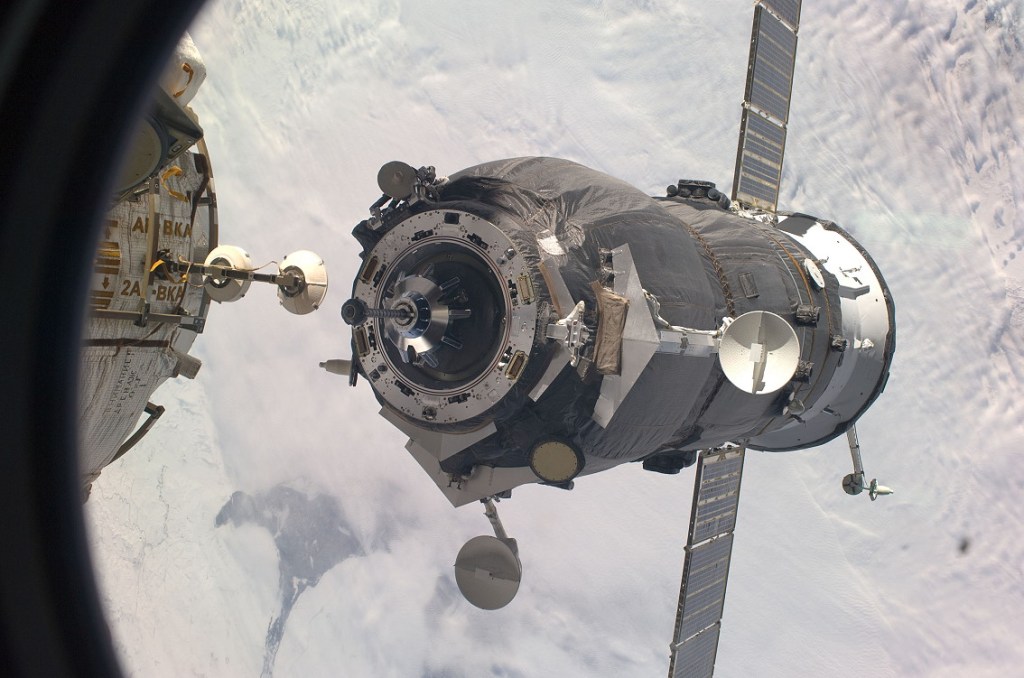
Image (Credit): Russian Soyuz capsule outside the International Space Station. (Spacefacts.de)

Fortunately, we now know the source of the leak in the extra Soyuz Crew Return Vehicle attached to the International Space Station (ISS). However, we do not know the cause of this radiator coolant leak, which creates risk should the capsule be used early next year to bring two cosmonauts and an astronaut back to Earth. Hence, it may be better to bring another capsule up to the ISS for the change in crew and send the damaged one back empty for repairs.

The ISS doesn’t technically have an escape pod. Instead, a Crew Return Vehicle more or less serves this purpose. It has been used more than once to host astronauts and cosmonauts fleeing space junk, so maybe it’s time to think over these procedures again. You would think a $100 billion orbiting space station could ensure the survival of its passengers.