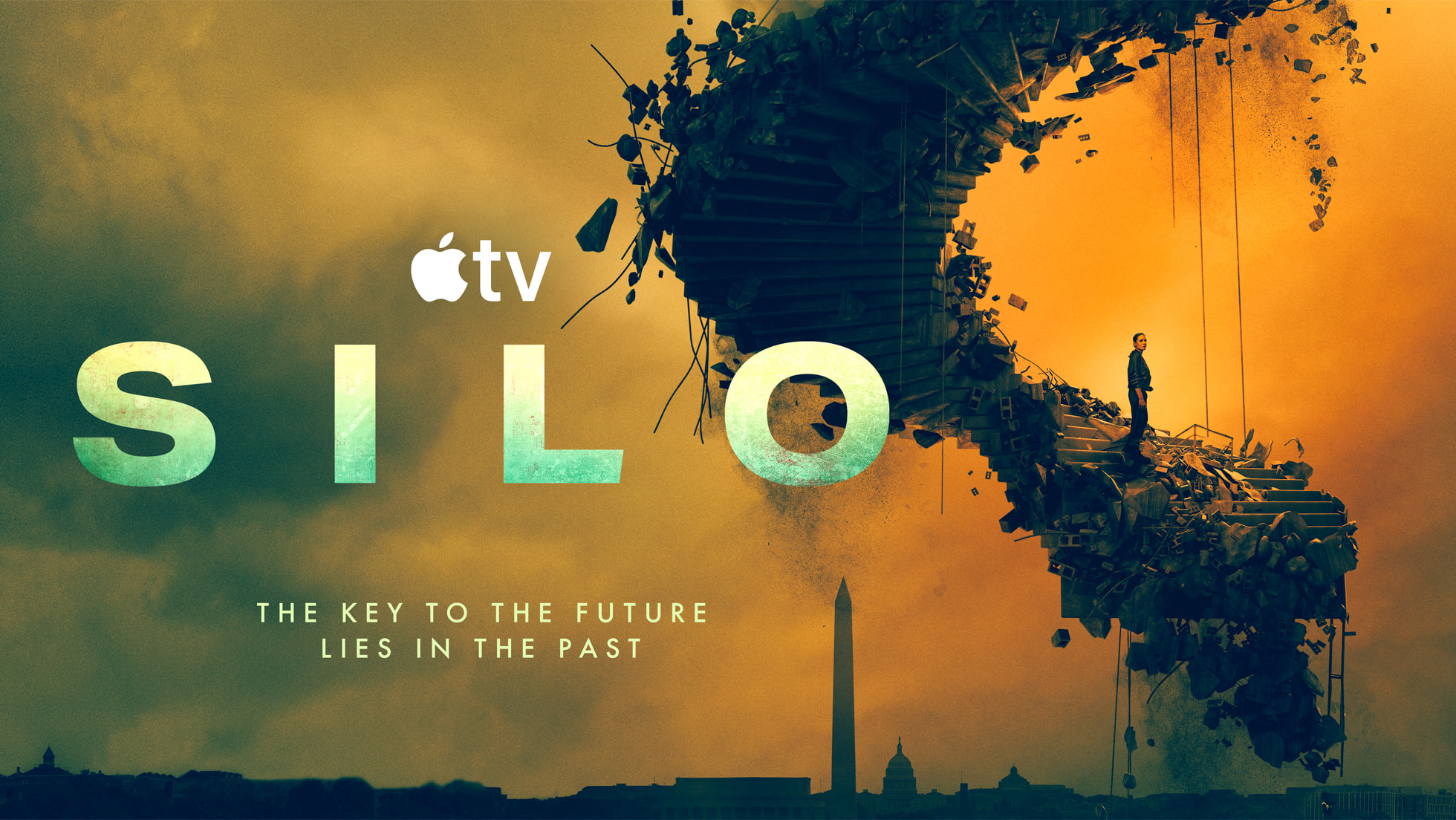
“It’s not like they’re writing the show and then having to come up with, ‘Oh, how to end this?’…This is a 40 episode story. So the ending… is very satisfying because it’s the end of a novel.”
–Statement by actor Ashley Zukerman, who plays Daniel Keene in the Silo television series, regarding the fourth and final season of the series coming out on July 9, 2027. If you missed the series, particularly season three, it is a show you need to watch. We talk about living in lava tubes on the Moon or Mars, but this show is about living in an underground silo for generations here on Earth after some pretty horrible terra-forming above. You can catch it on Apple TV.
Here are a few recent podcast episodes you may want to check out.
First, I recommend the Star Talk episode“Rogue Planets & Exomoons with David Kipping.” This episode brings together two great promoters of astronomy who discuss a variety of topics, including not only planets without solar systems and the moons of exoplanets, but also the habitable zone of galaxies, civilizational monuments, and the idea that the inhabitants of a super-Earth may be trapped on the surface of their planet. It is a worthwhile tour of the galaxy.
Next, Planetary Radio had a fun episode celebrating the 60th anniversary of Star Trek. It is titled “Star Trek at 60: What do we value the most?” and it includes an interview with Robert Picardo, who you know from two Star Trek series as the Emergency Medical Hologram, yet he is also on the Board of Directors at The Planetary Society and a member of the Academy of Motion Picture Arts and Sciences. He discusses his more than 30 years with the Star Trek family, and discusses how Star Trek fans have a unique connection to the founding of The Planetary Society.
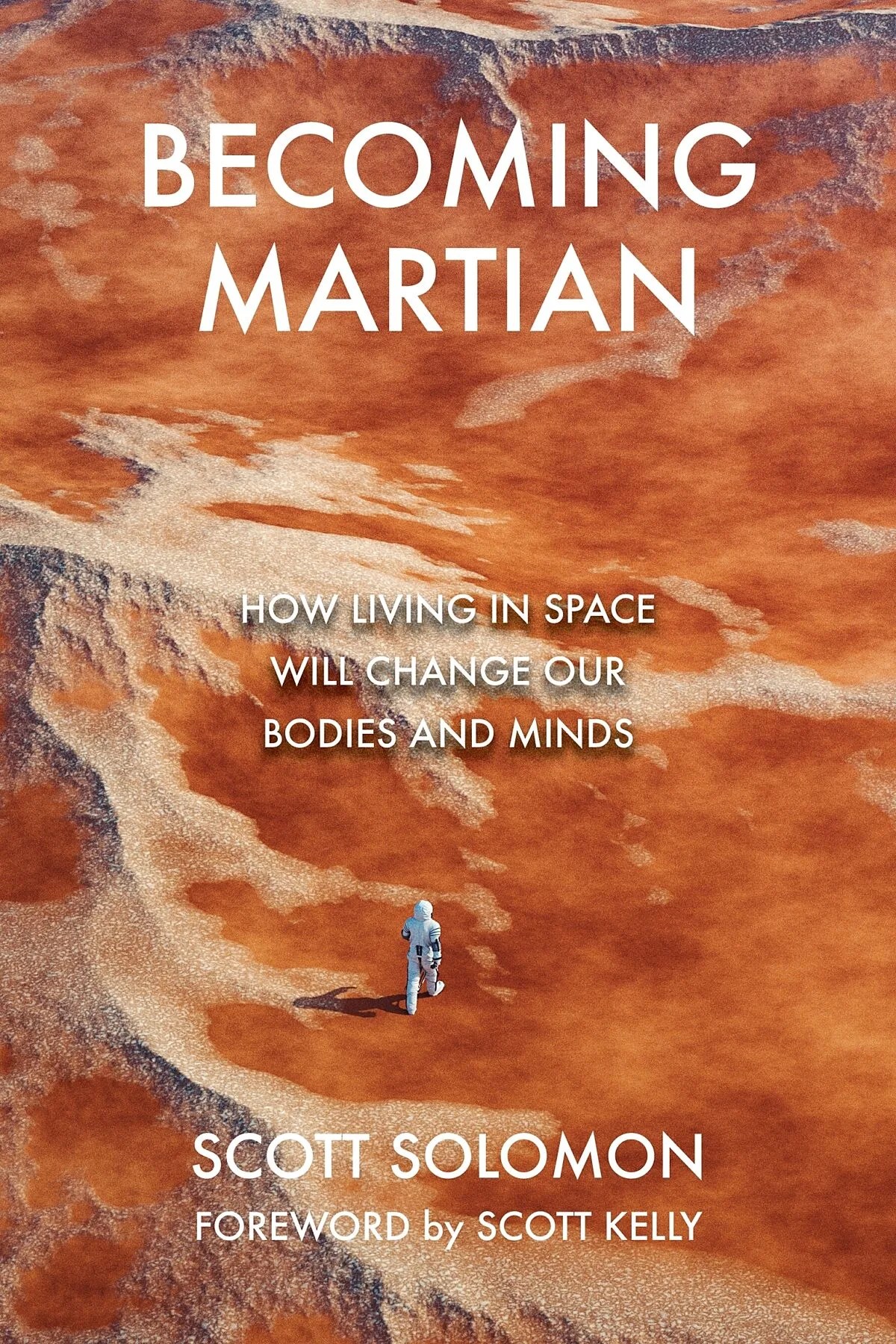
We are on the cusp of a golden age of space travel in which, for the first time, it will be possible for large numbers of people to venture into space. Some intend to stay. But what happens—and will happen—to us in the extreme conditions of space? What should space tourists expect to happen to them during a journey to an orbiting space station, the Moon, or Mars? What would happen to children born on another planet? Would they evolve into a new species? In Becoming Martian, Scott Solomon explores the many ways in which humanity’s migration into space will change our bodies and our minds.
If you have a few minutes to listen in, you will not be disappointed.
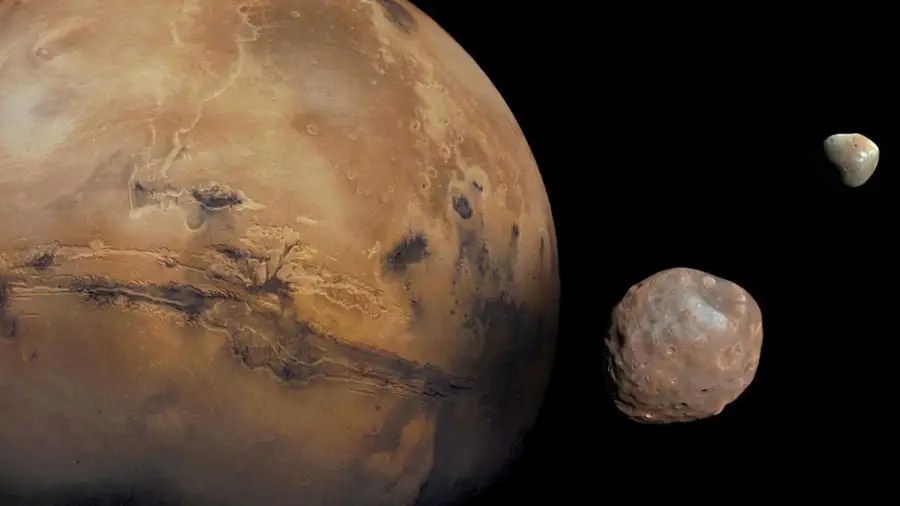
Small planetary bodies record the processes that shaped the Solar System, but their surfaces and interiors often evolve in unexpected ways. Deimos, the potato-shaped, 12-km-diameter outer satellite of Mars, has a strikingly smooth surface covered by fine regolith, in contrast to its heavily cratered and grooved sibling, 22-km-diameter Phobos. Moreover, Deimos’s topography is dominated by a single large south-polar depression, whose formation we simulate to constrain the moon’s interior and surface geomechanical properties and to explain the origin and distribution of its regolith. Here we find that an oblique impact by a 320-m-diameter projectile can quantitatively account for this depression, the global regolith layer and surface features such as bright streaks and crater infill. Our results show that Deimos’s upper layers are extremely weak and that its interior is highly porous and dissipative, resembling the recently visited rubble-pile asteroids rather than lunar regolith. This suggests that small dark moons and asteroids, despite their specific histories, may converge on similar physical states.
Citation: Raducan, S.D., Agrusa, H.F., Asphaug, E. et al. Deimos’s shape and geology explained by a subcatastrophic impact. Nat Astron (2026).
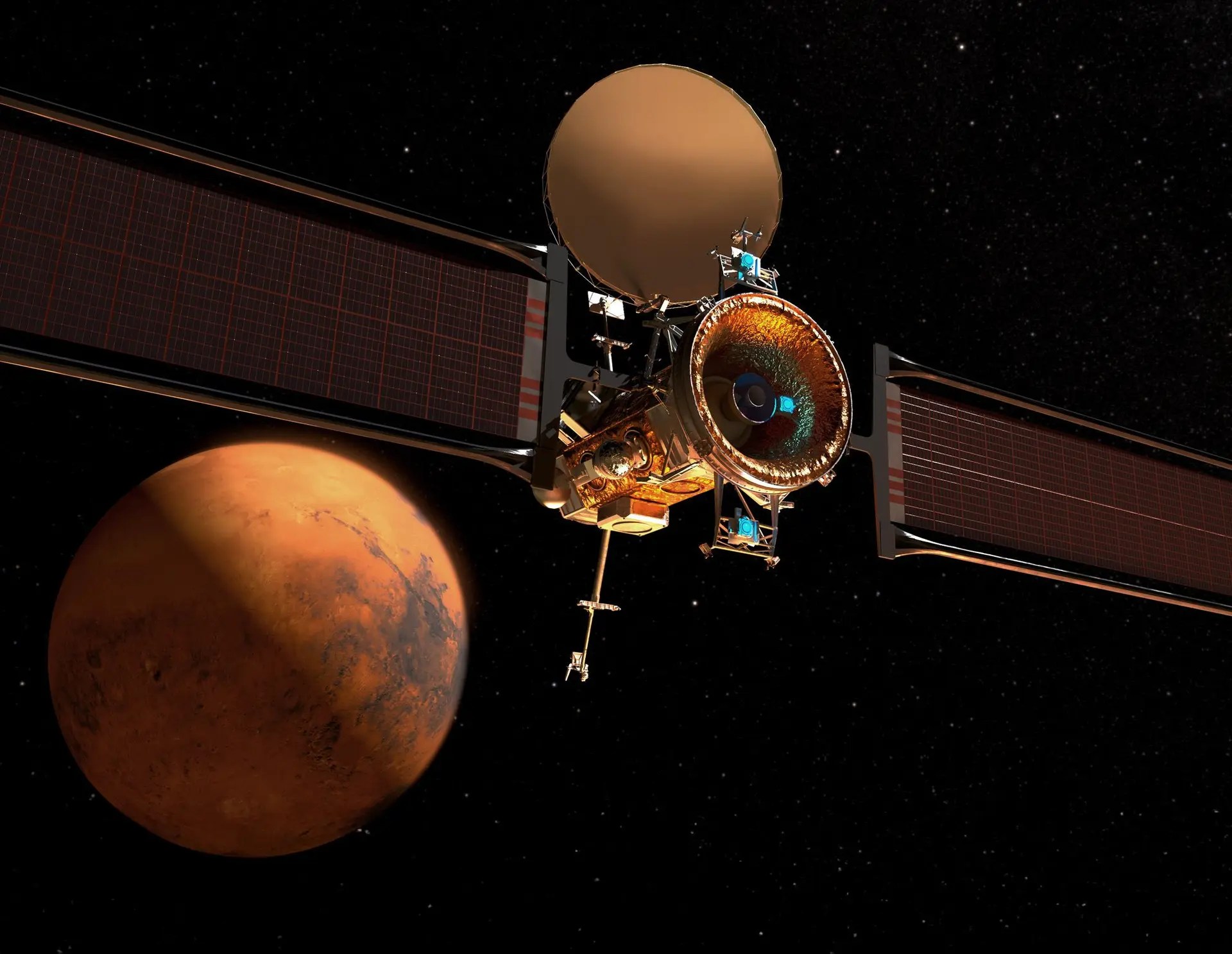
Image (Credit): Artist’s rendering of the MTO orbiting Mars. (Blue Origin)
“[Mars Telecommunications Orbiter] is the backbone of America’s Mars exploration program for the next decade and beyond and will provide the reliable communications capacity that will keep future robotic and human missions connected to each other and to Earth…This awarded contract is a testament to the Blue Origin team that has been building Blue Ring with exactly this kind of mission in mind. We’re ready, and so is the hardware.”
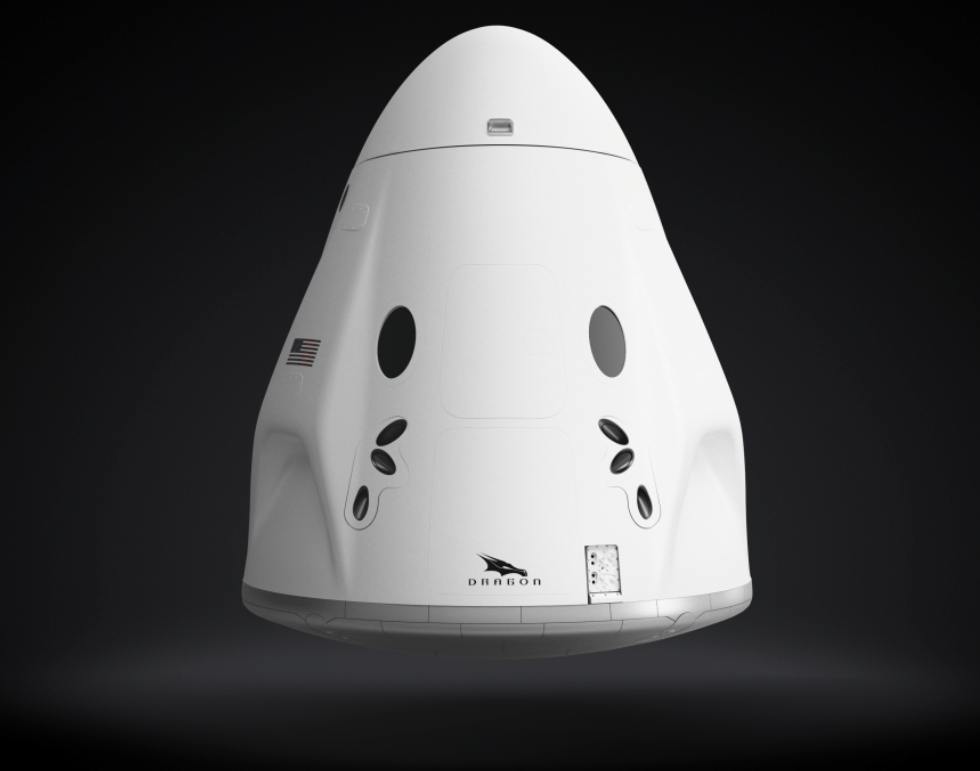
SpaceX’s next astronaut mission to the International Space Station won’t launch on Sept. 12 after all. That flight, known as Crew-13, has been delayed due to an oxidizer leak in the propulsion system of SpaceX’s Dragon spacecraft, NASA announced on Saturday (Aug. 29). Joint NASA and SpaceX teams are performing additional tests and data review and will complete any necessary rework prior to launch,” NASA officials wrote in an update on Saturday. “A new target date will be announced once available.”
Nearly every large galaxy keeps a giant black hole at its center. Some of those giants already weighed a billion Suns when the universe was less than 700 million years old. Astronomers have struggled for decades to explain how anything grew that heavy that fast. A new study built on James Webb Space Telescope observations suggests one possible answer. The researchers describe a young black hole wrapped in gas so dense that the whole object shines like a single enormous star. Astronomers call objects like it black hole stars. The light from this one has been traveling for 13 billion years, since a moment just 660 million years after the Big Bang, and no earlier example has been found.
Based on gravitational measurements that give clues to the Red Planet’s interior structure, Mars’s interior southern hemisphere is around 200 to 400 degrees Celsius warmer than the northern half of the planet and partially molten. The surprising finding adds additional context to Martian history and the periods of time in which it may have hosted conditions favorable for life. The research was led by Caltech alumnus Alexander Berne (PhD ’26), who is now a postdoctoral associate at the University of Arizona. The findings are reported in a paper appearing in the journal Nature on August 27.