Top Astronomy Stories in 2023

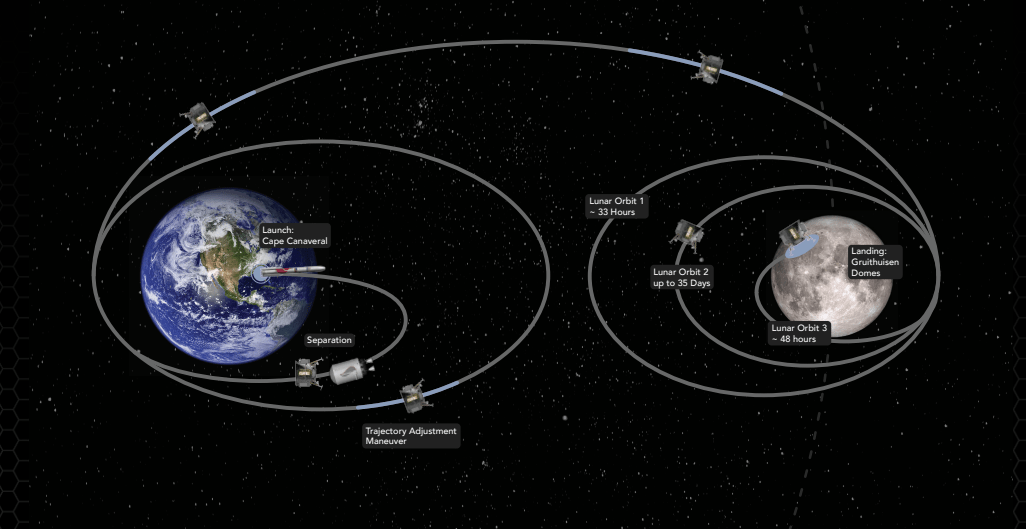
Image (Credit): Chart showing the planned travel of the JUICE spacecraft. (ESA, work performed by ATG under contract to ESA)

I wanted to start out the new year by first remembering all of the great missions from 2023. I also decided to group this work rather than focus on single missions.

Here is what I came up with:

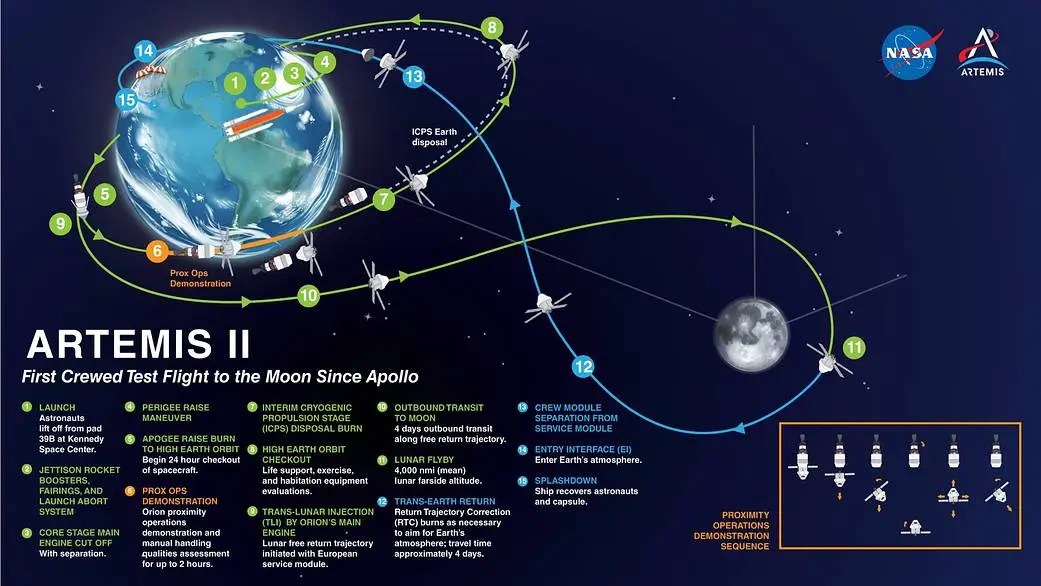
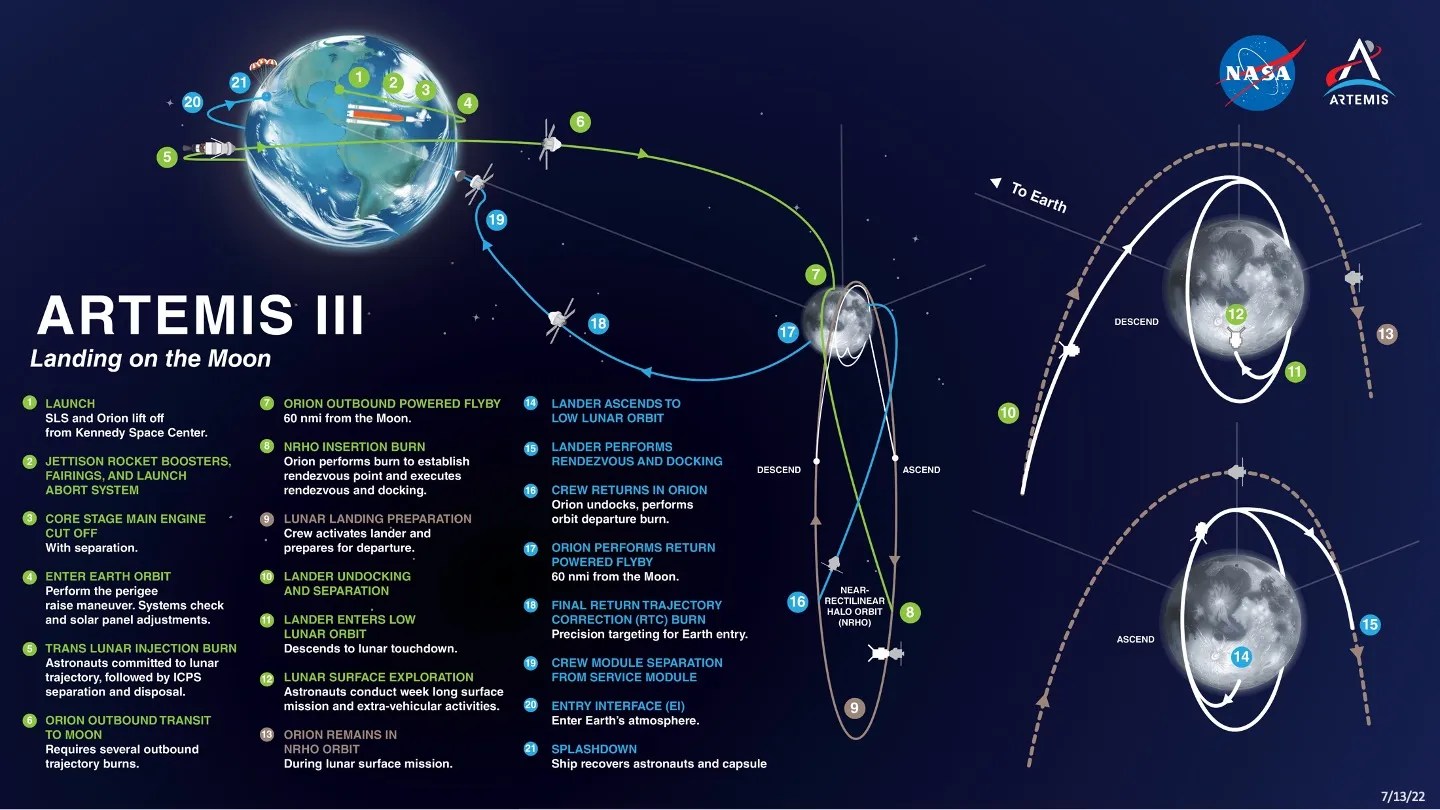
NASA’s Moon Mission: We saw more progress towards the next steps in the Artemis program to put humans on the Moon, including NASA’s announcement of the four astronauts to lead the Artemis II mission, SpaceX’s tests of the Starship rocket, and the design of new spacesuits for the Artemis astronauts.

Other Attempts to Land on the Moon: We saw other nations also reaching for the Moon. While India had great success landing a rover on the lunar South Pole, both Russia and a commercial venture from Japan did not have similar luck. We also saw Japan trying it again late last year.

NASA Asteroid Missions: Asteroids were the big news this year, with Lucy encountering a surprise pair of asteroids, OSIRIS-REx bringing back a sample from the asteroid Bennu, and NASA launching the Psyche mission.

JWST Discoveries: This year we celebrated the anniversary of the James Webb Space Telescope (JWST), which has been better than ever imaged. It is helping to change our understanding of the origin of the universe while poking and prodding at exoplanets to review their secrets.

ESA Missions: The European Space Agency (ESA) has also been very busy in 2023. For instance, the launch of the Euclid mission to study dark matter and dark energy, as well as the JUICE mission to study Jupiter and its moons, will assist with our understanding of the big picture as well as our own neighborhood.

That’s an impressive record, and I look forward to even more great news in 2024.

A Second Japanese Moon Mission

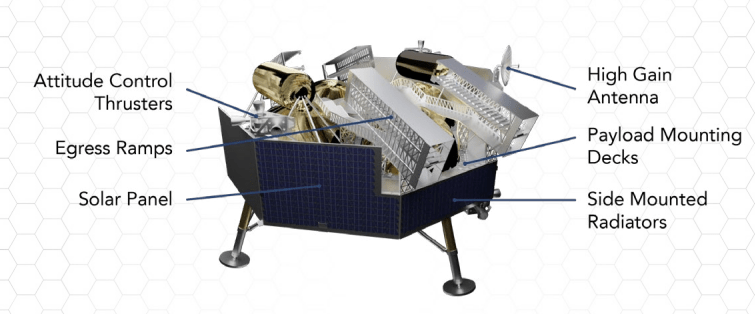
Image (Credit): JAXA’s SLIM lunar lander. (JAXA)

Japan is determined to get onto the moon as soon as possible. An attempt to land on the Moon earlier this year by a private Japanese company ended in failure, but things are looking good so far with the latest mission.

Launched on September 6th, the Japan Aerospace Exploration Agency (JAXA) spacecraft, called the Smart Lander for Investigating Moon (SLIM) and nicknamed the “Moon Sniper” lander, is now in orbit around the Moon. The plan is to place a robotic explorer on the lunar surface by mid-January.

The stated purpose of SLIM is to:

  • Demonstrate the accurate lunar landing techniques embodied in a small explorer; and
  • Accelerate the study of the moon and other planets using the lighter exploration system.

In terms of the upcoming events, JAXA stated the following in a press release:

From now until mid-January 2024, the apolune point will be lowered, and the orbit adjusted to a circular orbit at an altitude of approximately 600km. The perilune point will then lower and preparations for landing will begin. On January 19, the perilune point will be lowered to an altitude of 15km, and the descent towards the Moon will start at around 0:00am (JST) on January 20. Landing on the lunar surface is scheduled for around 0:20am (JST) on January 20.

The race to the Moon continues.

Best wishes to Japan for a successful landing.

ULA is Up for Sale

Image (Credit): ULA’s new Vulcan Centaur rocket. (ULA)

United Launch Alliance (ULA), a space rocket partnership between Boeing and Lockheed Martin, is now being offered for sale. Both Blue Origin and Cerberus are showing interest, which could upset the space business as Blue Origin takes a big step forward or Cerberus gets into the space business.

ULA, formed in 2006, has both a wealth of experience as well as the confidence of the US military, even though SpaceX has been eating into that business. ULA also has ready commercial customers, including a partnership with Amazon to launch 47 rockets to bring the Kuiper broadband constellation into orbit.

The ties to Mr. Bezos, owner of Amazon, go even deeper than that. The ULA’s new rocket, the Vulcan Centaur, will use engines built by Blue Origin, another one of Mr. Bezos’ companies. This may make a Blue Origin a natural new owner to ULA.

The potential buyers may want to wait until the test launch of the Vulcan on January 8th. At that time, the Vulcan rocket will be used to launch the Astrobotic Peregrine commercial lunar lander, the first of NASA’s Commercial Lunar Payload Services initiative designed to deliver science and technology experiments to the lunar surface.

None of this means Boeing or Lockheed Martin are moving away from space altogether. Boeing is still working on its Starliner to bring individuals and cargo to low-Earth orbit as well as its Space Launch System, which serves as the backbone of the Artemis program. Lockheed Martin will be busy as well with its Orion capsule and human landing system (with Blue Origin and Boeing as well), additional key components of the Artemis program.

Any reshuffling is okay as long as it adds to the array of commercial options for NASA. A new player like Cerberus might be welcome, but I also see some value to pushing an experienced and involved Blue Origin to the top of its game a little quicker so it can go head-to-head with SpaceX.

This should be interesting. Stay tuned.

NASA Had a Busy Year

Image (Credit): The introduction of the Artemis II crew, just one of many items highlighted in NASA’s new video summarizing 2023. (NASA)

This is the time of year for lists, so I wanted to highlight one of the more important lists, at least in the opinion of this writer. That’s right, we need to remember the important space milestones from this year.

Fortunately, NASA recently summed up its successes in 2023 with a new video titled NASA 2023: Nothing is Beyond Our Reach. The video highlights many of the Agency’s accomplishments this year, including the launch of the Psyche mission, the announcement of a crew for the Artemis II mission, and the OSIRIS-REx capsule retrieval.

It is quite a list. Luckily, NASA provided a list of links so you can read more about the various efforts:

Time to read up on 2023 before we dive into more activities in 2024.

Note: You can read a more detailed list of accomplishments at this NASA site.

Pic of the Week: Another Lunar View of Earth

Image (Credit): Apollo 17’s flag on the lunar surface. (NASA)

NASA is sharing a 51-year old photo from Apollo 17 showing both the American flag placed on the lunar surface by the crew as well as their home planet. It is a great shot that gives us plenty to thing about as the U.S. plans a return to the moon (with at least one other national flag to be planted, as noted the other day by Vice President Harris).

Here is more on the image from NASA:

Fifty-one years ago, one of the Apollo 17 astronauts on the Moon took this close-up of the U.S. flag they deployed with the Earth visible in the distance.⁣

The lunar module crew spent 75 hours on the lunar surface, deploying a U.S. flag early in EVA-1 — their mission’s first walk on the Moon. This particular flag had flown in the Mission Operations Control Room (MOCR) in Houston during Apollo and was noticeably larger than the flags deployed on the previous missions.⁣

You may notice the support rod in the top part of the flag. The support rod ensured that the flag was extended and visible in photographs, despite there being no wind on the lunar surface to make the flag wave.⁣

Six U.S. flags in total were planted on the lunar surface, one during each Apollo mission. Experts believe it’s highly unlikely the Apollo flags could have endured the decades of exposure to vacuum, temperature swings from 242 °F (117 °C) during the day to -280 °F (-173 °C) during the night, micrometeorites, radiation, and ultraviolet light.⁣

While the flags are likely no longer there, Lunar Reconnaissance Orbiter imagery taken decades later showed that the flagpoles were still standing and casting shadows.⁣