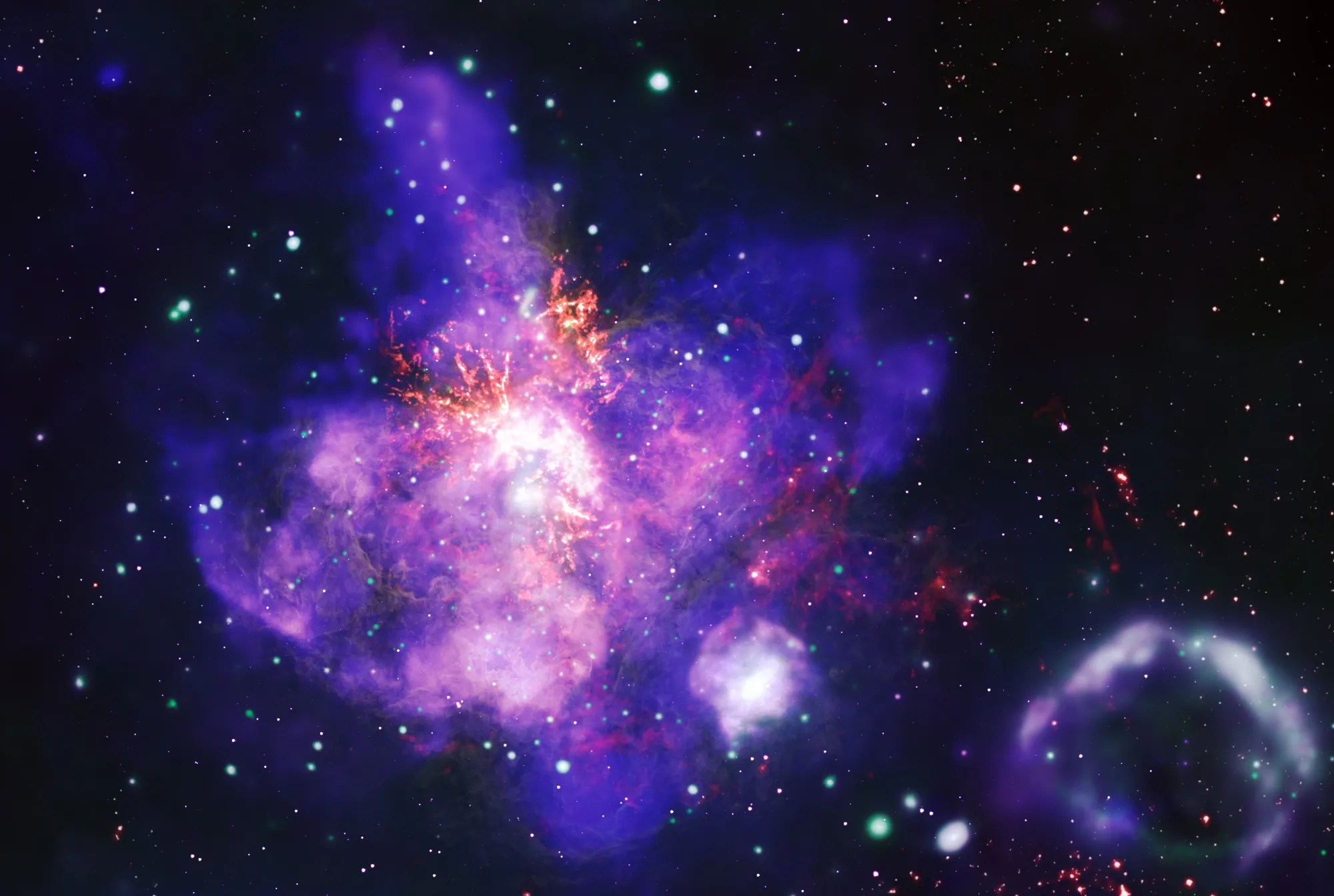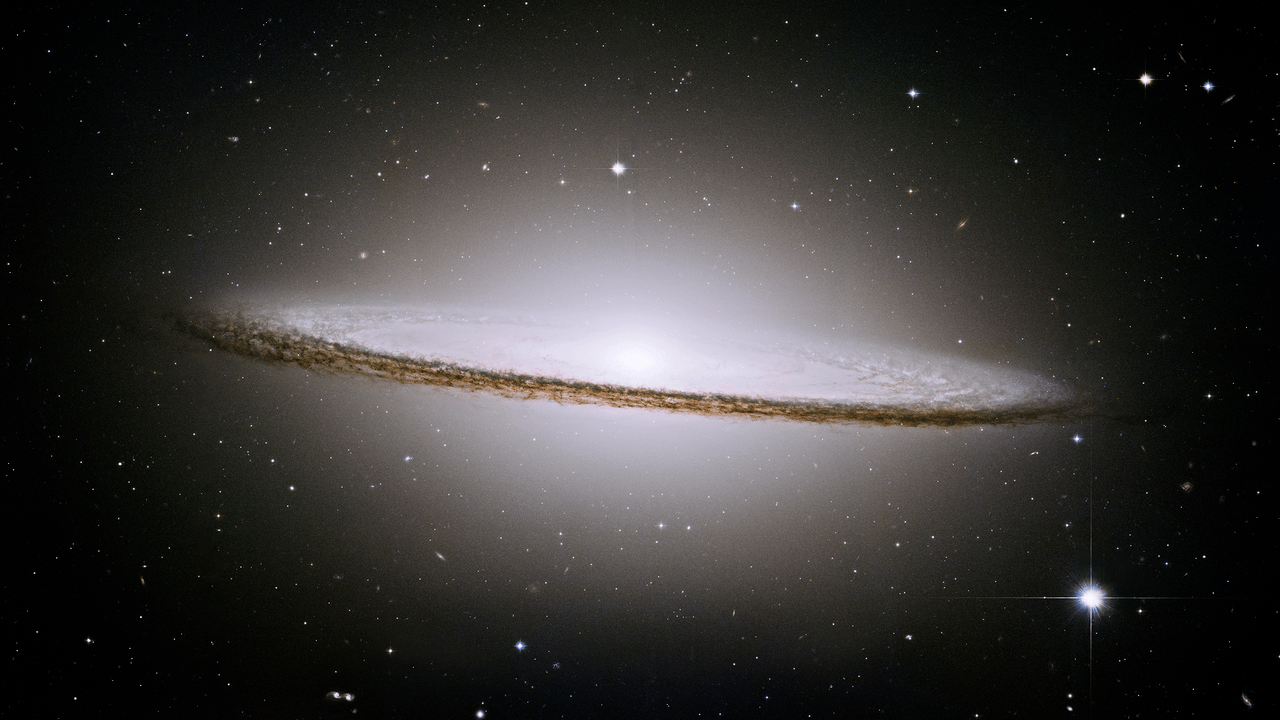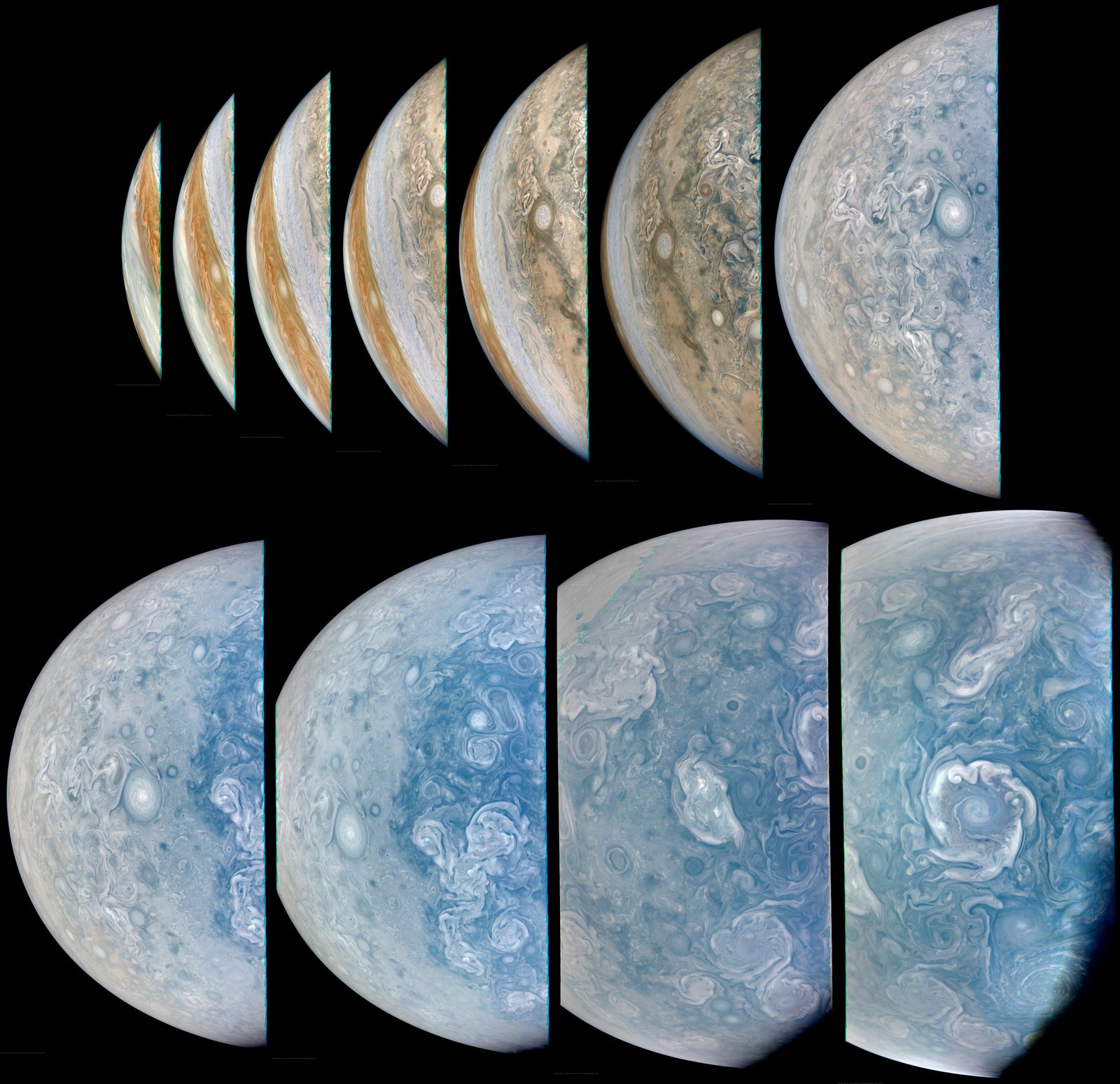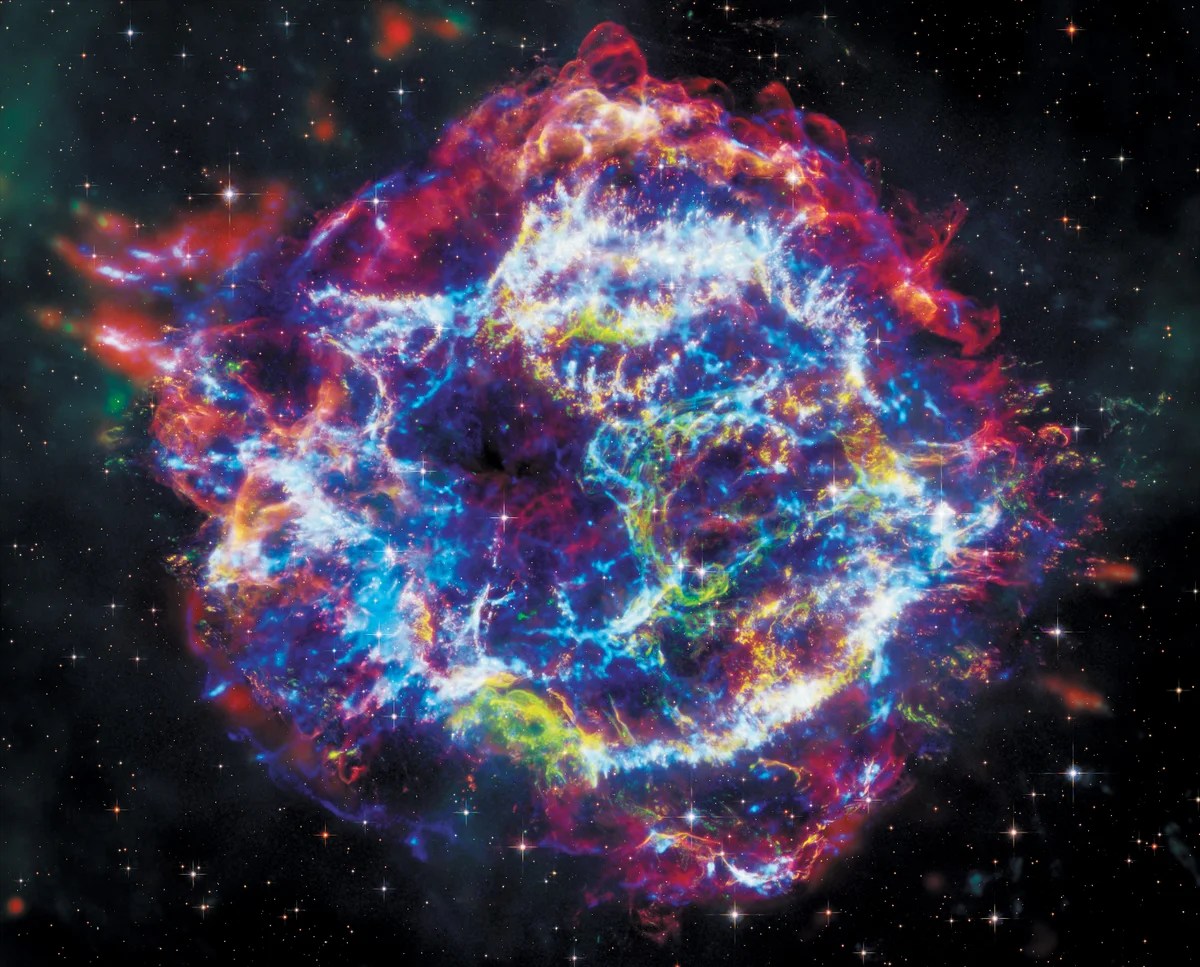
Image (Credit): Cassiopeia A supernova remnant. (NASA/CXC/SAO (x-ray); NASA/ESA/STScI (optical); NASA/ESA/CSA/STScI/D. Milisavljevic et al., NASA/JPL/Caltech (infrared); NASA/CXC/SAO/J. Schmidt and K. Arcand (image processing))
This week’s image was taken by the James Webb Space Telescope (JWST) and highlighted in Scientific American magazine. It shows a colorful supernova remnant called Cassiopeia A, which is about 350 light-years away.
The recent photographs are helping scientists answer some of their most pressing questions about supernovae, such as which types of stars explode in which ways and how exactly those outbursts unfold. “There is a lot of complicated but beautiful physics in understanding how this explosion takes place,” says Purdue University astronomer Danny Milisavljevic, who led the team behind the JWST images…
Astronomers will keep studying Cassiopeia A, although their success makes them eager to turn JWST’s eyes toward some of the other roughly 400 identified supernova remnants in our galaxy. Getting a larger sample will help researchers connect differences in how remnants look and evolve to differences among the stars that produced them.
Image (Credit): Blue Origin’s New Glenn rocket lifting off on January 16, 2025. (Blue Origin)
Earlier today, Blue Origin’s New Glenn rocket safely made its way into the Earth’s orbit from its launch pad at the Cape Canaveral Space Force Station in Florida. The only piece of the mission that fell short was the loss of the booster that should have landed on a barge in the Atlantic Ocean.
I’m incredibly proud New Glenn achieved orbit on its first attempt…We knew landing our booster, So You’re Telling Me There’s a Chance, on the first try was an ambitious goal. We’ll learn a lot from today and try again at our next launch this spring. Thank you to all of Team Blue for this incredible milestone.
Even with the lost booster, the rocket launch has proven that the US space industry may soon have another reliable competitor to challenge SpaceX, which is good new for everyone.
Image (Credit): Volcanic fissure in Iceland. (NASA Earth Observatory images by Michala Garrison)
This week’s image comes from NASA’s Earth Observatory. It is an image from last November showing a volcanic fissure on Iceland’s Reykjanes peninsula not far from the country’s capital, Reykjavík
The image…shows lava coming from an eruptive fissure near Stóra Skógfell peak, along the Sundhnúkur crater row—a similar location to the February 2024 eruption. This natural color scene, acquired by the OLI-2 (Operational Land Imager-2) on Landsat 9 on November 24, is overlaid with an infrared signal to help distinguish the lava’s heat signature. A plume of gas, consisting primarily of sulfur dioxide, streamed from the lava, although the eruption did not affect flights to and from Iceland.
The lava flowed east and west from the fissure, rather than toward the town of Grindavík. The Icelandic National Broadcasting Service reported that the latest event forced the evacuation of some of the town’s residents and the Blue Lagoon resort, a geothermal spa. A tongue of lava flowed over the car park of the spa, enveloping a small service building located there.
The Reykjanes peninsula eruption is the seventh in a series of events that began in December 2023. As of November 26, 2024, the Blue Lagoon was closed to the public, but lava movement toward the spa had slowed.
Note: Another image from NASA’s Earth Observatory is also very relevant this week. The image below shows the Los Angeles fires that are still burning. This particular image shows the Eaton fire, which erupted on the evening of January 7 in Altadena, located north of downtown Los Angeles.
Image (Credit): The Eaton Fire on January 7, 2024. (NASA Earth Observatory images by Wanmei Liang, using MODIS data from NASA EOSDIS LANCE and GIBS/Worldview and modified Copernicus Sentinel data (2025) processed by the European Space Agency)
This week’s image is from the Hubble Space Telescope. It shows the bright and colorful spiral galaxy NGC 2566, which is about 76 million light-years away.
A prominent bar of stars stretches across the center of this galaxy, and spiral arms emerge from each end of the bar. Because NGC 2566 appears tilted from our perspective, its disk takes on an almond shape, giving the galaxy the appearance of a cosmic eye.
As NGC 2566 appears to gaze at us, astronomers gaze right back, using Hubble to survey the galaxy’s star clusters and star-forming regions. The Hubble data are especially valuable for studying stars that are just a few million years old; these stars are bright at the ultraviolet and visible wavelengths to which Hubble is sensitive. Using these data, researchers can measure the ages of NGC 2566’s stars, which helps piece together the timeline of the galaxy’s star formation and the exchange of gas between star-forming clouds and the stars themselves.