Image (Credit): Astronaut James A. McDivitt. (HUM Images/Universal Images Group via Getty Images)
Back on October 13th we lost another Apollo astronaut. James McDivitt, age 93, passed away in his sleep.
Mr. McDivitt, a veteran fighter pilot from the Korean War, was a key part of the Gemini and Apollo missions. Part of NASA’s second class of astronauts, he was commander of the Gemini IV mission in June 1965, which conducted the first U.S. space walk, as well as the commander of Apollo 9, which set the stage for astronauts to land on the Moon.
As Andy Weir, author of The Martian, stated, “Astronauts are inherently insane. And really noble.” We should all remember the noble work of Mr. McDivitt and his peers in the early space program.
Previously, NASA’s Saturn-studying Cassini spacecraft had discovered Enceladus’ subsurface liquid water as well as the plumes of ice grains and water vapour that erupted from cracks in the moon’s icy surface.Analysis of the plumes had revealed that they contain almost all the basic requirements of life as we know it. But while the bioessential element phosphorus is yet to be identified directly, scientists have now found evidence of its availability in the ocean beneath the moon’s icy crust.
Maarten Schmidt, the Dutch-born American astronomer who explained the mysterious heavenly bodies known as quasars and in so doing helped create the modern picture of the universe, its structure and its history, died Sept. 17 at his home in Fresno, Calif. He was 92.
The space launch services giant was recently rejected for nearly $900 million dollars in rural connectivity funding from the Wireline Competition Bureau (a branch of the Federal Communications Commission, or FCC). SpaceX characterized that decision(opens in new tab) as “grossly unfair” in its Sept. 9 appeal to the regulator, which is under review.
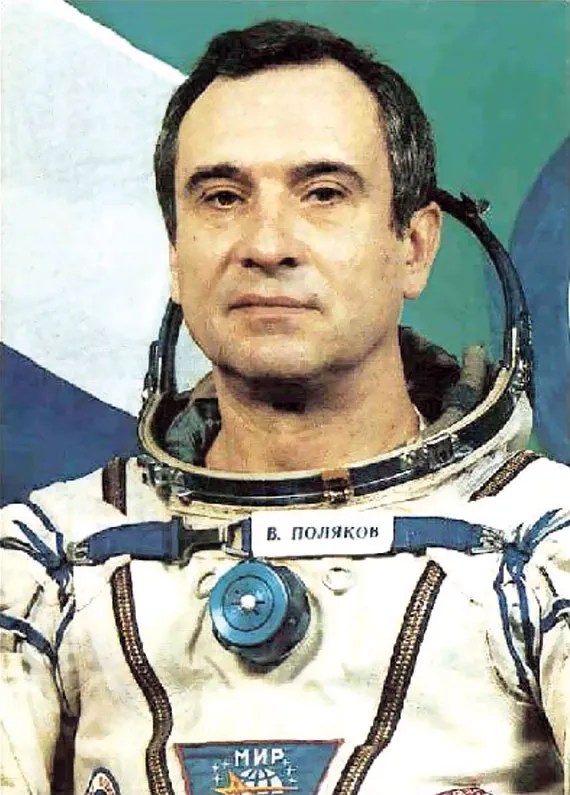
Last week cosmonaut Valery Polyakov passed away at the age of 80 (1942 to 2022). He still holds the record for the longest single spaceflight in history when he was aboard the Mir space station for 437 days and 18 hours during one stay between 1994 and 1995. By the time he retired later in 1995, he had spent 678 days in space.
Russians have a history of long tours in space, including four cosmonauts from the last century who spent at least one year in a single tour:
Valery Polyakov – 437 days aboard Mir (1994-95)
Sergei Avdeyev – 379 days aboard Mir (1998-99)
Vladimir Titov – 365 days aboard Mir (1987-88)
Musa Manaro – 365 days aboard Mir (1987-88)
When U.S. astronaut Astronaut Scott Kelly returned to Earth with cosmonaut Mikhail Kornienko from the International Space Station in 2016 after 340 days in space, the Russians were not so impressed according to a story in arsTECHNICA. The story notes cosmonaut Talgat Musabayev, serving as the head of the Kazakh space agency, stated, “Congratulations on your record. Of course it was already done 28 years ago.”
Image (Credit): The Soviet Mir space station. (Encyclopaedia Britannica)
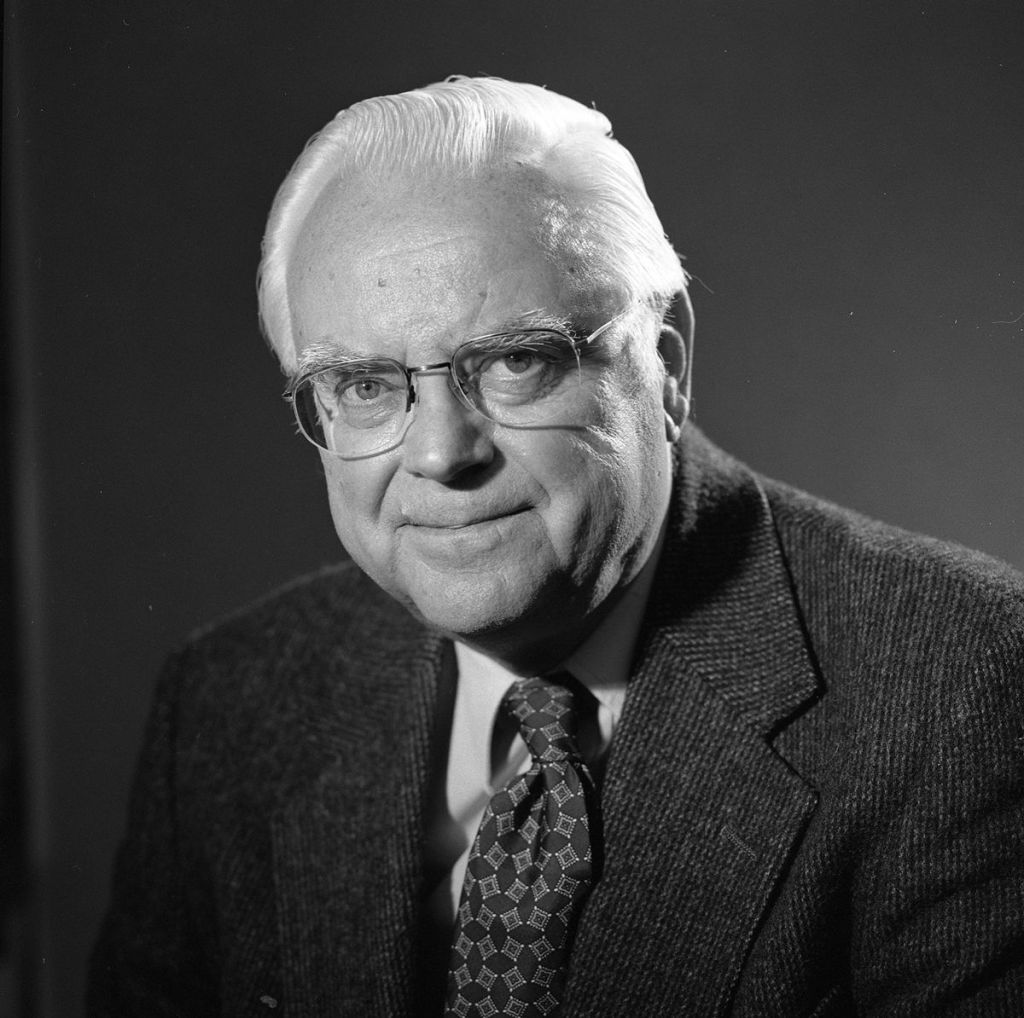
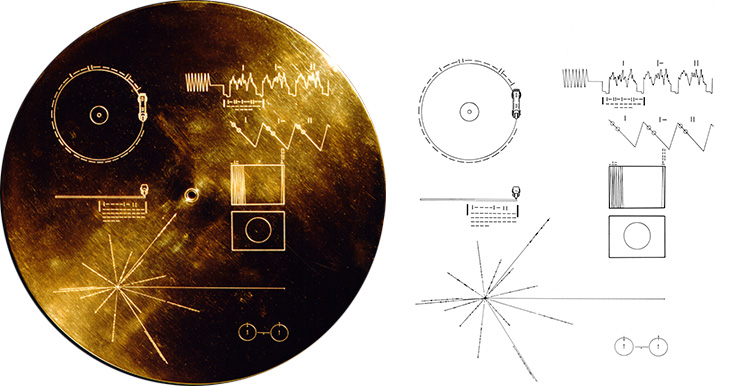
In addition to giving us the famous Drake Equation pertaining to the potential existence of extraterrestrial intelligence in our galaxy, he spent his life looking for signs that we are not alone and served as the president of the SETI Institute as well as director of the SETI Institute’s Carl Sagan Center for the Study of Life in the Universe. Among many other things, he also worked with Carl Sagan on the “Golden Record” placed in the Voyager spacecraft.
One thing that comes across from interviews is that he was a very hopeful man who did not tire easily. In an earlier interview with Space.com, he shared this unique view of our space neighbors:
That reminds me of something else. We have learned, in fact, that gravitational lensing works. If they [aliens] use their star as a gravitational lens, they get this free, gigantic, super-Arecibo free of charge. They are not only picking up our radio signals, but they have been seeing the bonfires of the ancient Egyptians. They can probably tell us more about ourselves than we know … they’ve been watching all these years.
You can watch Mr. Drake discuss gravitational lens and more in this earlier lecture on YouTube. You can also learn much more about Mr. Drake’s career and activities at FamousScientists.org.
Image (Credit): The Voyager Golden Record cover shown with its extraterrestrial instructions. (NASA/JPL)
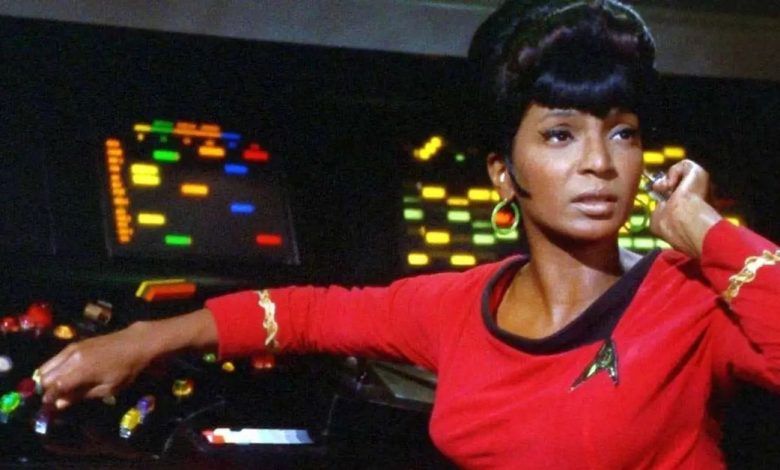
Image (Credit): Lt. Nyota Uhura on the deck of the U.S.S. Enterprise. (Paramount)
This weekend we lost actress Nichelle Nichols, who played Lt. Nyota Uhura on the original Star Trek television series. She was 89.
Back in 1966, her role as part of the crew on the U.S.S. Enterprise was a risky and eye-opening move by creator Gene Roddenberry in a nation divided by race (as well as many other issues – sound familiar?). In an NPR interview, Mr. Nichols noted how civil rights leader Martin Luther King, Jr. encouraged her to remain with the Star Trek series at a time she was considering leaving:
He complimented me on the manner in which I’d created the character. I thanked him, and I think I said something like, Dr. King, I wish I could be out there marching with you. He said, no, no, no. No, you don’t understand. We don’t need you on the – to march. You are marching. You are reflecting what we are fighting for. So, I said to him, thank you so much. And I’m going to miss my co-stars.
And his face got very, very serious. And he said, what are you talking about? And I said, well, I told Gene just yesterday that I’m going to leave the show after the first year because I’ve been offered – and he stopped me and said: You cannot do that. And I was stunned. He said, don’t you understand what this man has achieved? For the first time, we are being seen the world over as we should be seen. He says, do you understand that this is the only show that my wife Coretta and I will allow our little children to stay up and watch. I was speechless.
An impressive endorsement.
The last time I saw Ms. Nichols was on the History Channel special on the television series: The Center Seat: 55 Years of Star Trek. I enjoyed listening to her stories about her time with the television series and related movies. I recommend the program as a way to learn more about Ms. Nichols as well as the other actors associated with the Star Trek phenomena.




 Our Awesome Universe