Space Stories: Russia to Re-purpose ISS Section, Second Mars Probe Approaching Lifespan, and Titan’s “Oceans” More Likely Ice

Image (Credit): A portion of the International Space Station’s Russian segment is pictured with docked spacecraft including Europe’s Automated Transfer Vehicle (ATV) and the Soyuz TMA-20 crew vehicle. (NASA)

Here are some recent space-related stories of interest.

ARSTecnica: Russia is About to do the Most Russia Thing Ever with its Next Space Station

For several years now, in discussing plans for its human spaceflight program beyond the International Space Station, Russian officials would proudly bring up the Russian Orbital Station, or ROS…Oleg Orlov, director of the Institute of Biomedical Problems of the Russian Academy of Sciences, said ROS will no longer be composed of entirely new modules. Rather, its core will be the Russian segment of the International Space Station. “The Scientific and Technical Council of Roscosmos supported this proposal and approved the deployment of a Russian orbital station as part of the Russian segment of the ISS,” Orlov reportedly said.

Daily Galaxy: NASA Faces Major Setback: One Mars Orbiter Lost and Another Is Expected to Shut Down Soon!

NASA is losing critical communication links with its Mars missions. After recently losing contact with the MAVEN spacecraft, the agency faces the impending loss of the Mars Odyssey orbiter, which has been circling the Red Planet for over two decades. As both orbiters approach the end of their operational lifespans, NASA will soon have to find ways to maintain data relay capabilities for its rovers and other missions on the fourth planet.

NASA/JPL: NASA Study Suggests Saturn’s Moon Titan May Not Have Global Ocean

A key discovery from NASA’s Cassini mission in 2008 was that Saturn’s largest moon Titan may have a vast water ocean below its hydrocarbon-rich surface. But reanalysis of mission data suggests a more complicated picture: Titan’s interior is more likely composed of ice, with layers of slush and small pockets of warm water that form near its rocky core. Led by researchers at NASA’s Jet Propulsion Laboratory in Southern California and published in the journal Nature on Wednesday, the new study could have implications for scientists’ understanding of Titan and other icy moons throughout our solar system.

Space Stories: Crew Returns from ISS, Isaacman Nomination Advances, and Robotic Spacecraft to Save Space Telescope

Image (Credit): The Soyuz MS-27 spacecraft undocking from the ISS earlier today. (NASA)

Here are some recent space-related stories of interest.

CBS News: 3-man Crew Undocks from International Space Station, Wrapping Up 8-month Stay

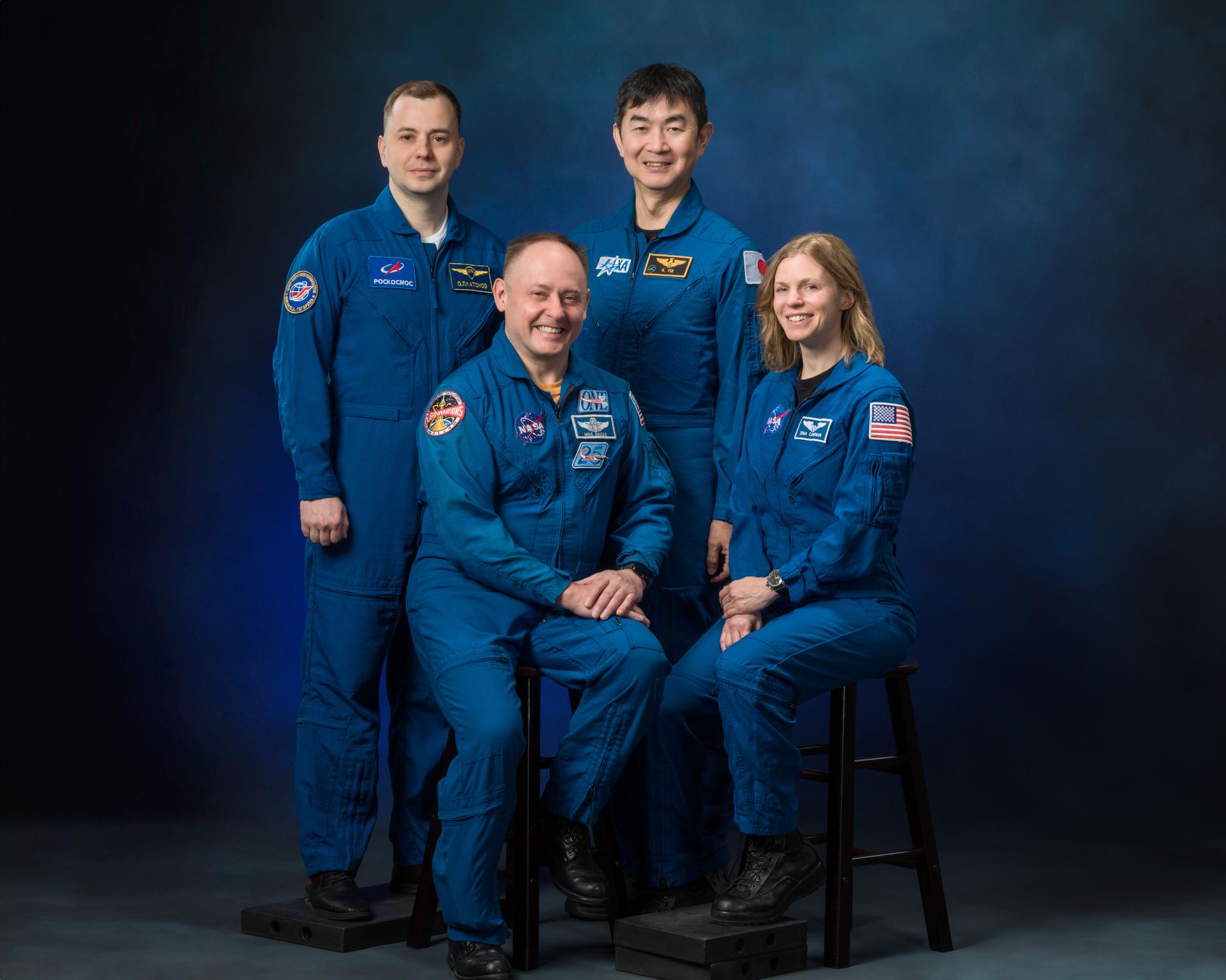
A NASA astronaut and two cosmonaut crewmates strapped into their Soyuz ferry ship and undocked from the International Space Station on Monday, heading for landing on the steppe of Kazakhstan to wrap up an eight-month mission…With Soyuz commander Sergey Ryzhikov strapped into the descent module’s center seat, flanked on his left by cosmonaut Alexey Zubritsky and on the right by NASA’s Jonny Kim, the Soyuz MS-27/73S spacecraft undocked from the lab at 8:41 p.m. ET.

Reuters: US Senate Committee Votes to Advance NASA Nominee Jared Isaacman

The U.S. Senate Commerce Committee voted late on Monday to advance the nomination of billionaire private astronaut Jared Isaacman to lead NASA...Senate Commerce Committee Chair Ted Cruz said: “You are as committed to American supremacy in the final frontier as is this committee and the entire Senate. My hope is that you will be confirmed and in this role before the end of this year.” He also won support of the panel’s top Democrat, Senator Maria Cantwell.

Indian Defence Review: A Rescue Mission Will Save NASA’s Space Telescope Using a Rocket Dropped from a Plane

Launched in 2004 to study gamma-ray bursts, Swift has been a crucial asset in understanding some of the most energetic events in the universe. However, over time, the spacecraft’s orbit has been decaying due to the drag from Earth’s atmosphere. As the orbit continues to degrade, the telescope is set to fall from its current 249-mile altitude unless action is taken. The problem is that Swift lacks onboard thrusters for orbit adjustments. With no replacement mission in the pipeline, NASA has turned to the private sector for a solution, and Katalyst is stepping in with a bold plan…For Neil Gehrels Swift Observatory, however, no astronauts will be involved. Instead, Katalyst will perform the rescue entirely remotely.

Space Stories: Russia Destroys Own Cosmonaut Launch Site, Cosmonaut Removed from ISS Crew, and Martian Drainage Systems (Not Canals)

Credit: Image by WikiImages from Pixabay

Here are some recent space-related stories of interest.

The Independent: Russia Accidentally Destroys its Only Way of Sending Astronauts to Space

Russia’s only crewed-mission launch site has suffered major damage following a rocket launch on Thursday. The Baikonur Cosmodrome in Kazakhstan will be unable to host launches until repairs are made, according to the space agency Roscosmos, marking the first time in decades that Russia has lost the ability to send people to space. The launch of the Soyuz MS-28 spacecraft was otherwise successful, with none of the crew members injured.

United24 Media: Russian Cosmonaut Allegedly Photographed Confidential SpaceX Docs, Removed From NASA Crew-12 Mission

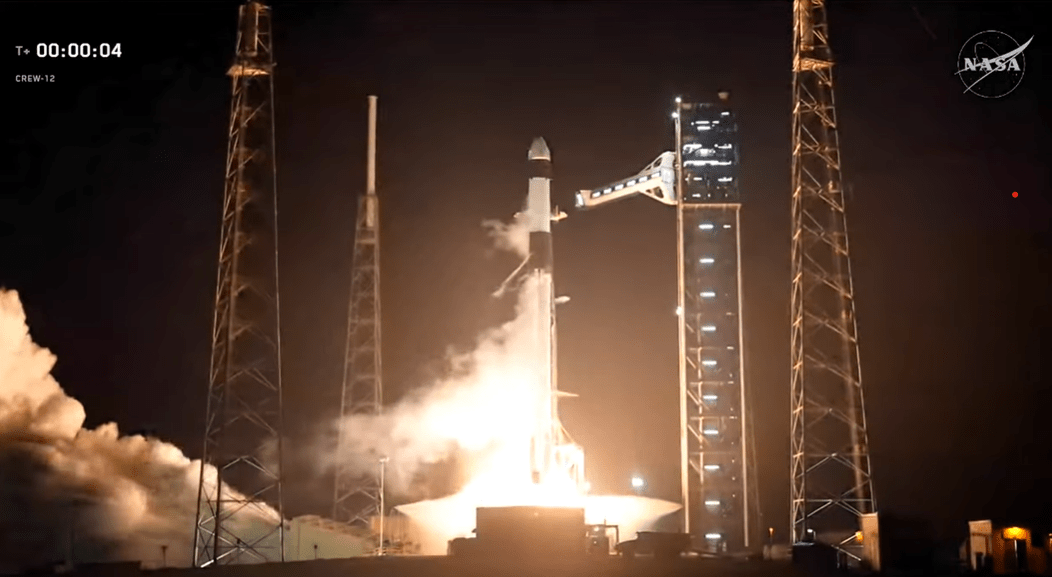
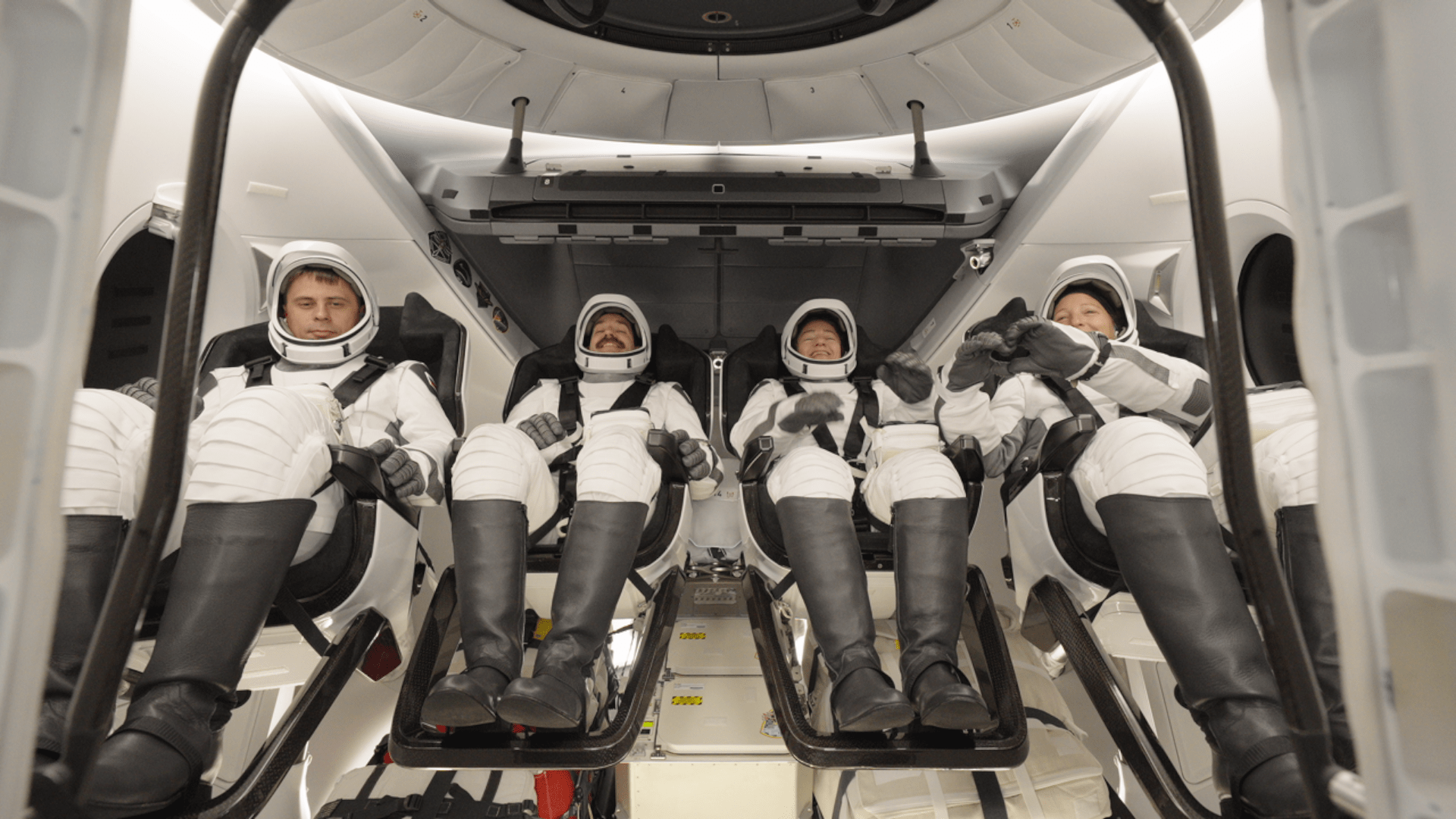
Russian cosmonaut Oleg Artemyev has been removed from the prime crew of SpaceX’s Crew-12 mission to the International Space Station and replaced by fellow Roscosmos cosmonaut Andrey Fedyaev after sources alleged he photographed confidential SpaceX materials in California in violation of US export control rules, according to The Insider on December 2. The outlet reported that Trishkin also said NASA did not want the controversy around Artemyev to become public, while Artemyev was removed from training at SpaceX’s Hawthorne California, facility last week after allegedly photographing SpaceX engines and other internal materials on his phone and taking them off-site.

University of Texas Scientists Map Mars’ Large River Drainage Systems for First Time

A new study published in PNAS from researchers at The University of Texas at Austin is the first to define large river drainage systems on the red planet. They outlined 16 large-scale river basins where life would have been most likely to thrive on the neighboring planet.We’ve known for a long time that there were rivers on Mars,” said co-author Timothy A. Goudge, an assistant professor in the Department of Earth and Planetary Sciences at the UT Jackson School of Geosciences. “But we really didn’t know the extent to which the rivers were organized in large drainage systems at the global scale.”

Pic of the Week: New Crew Added to ISS on Thanksgiving Day

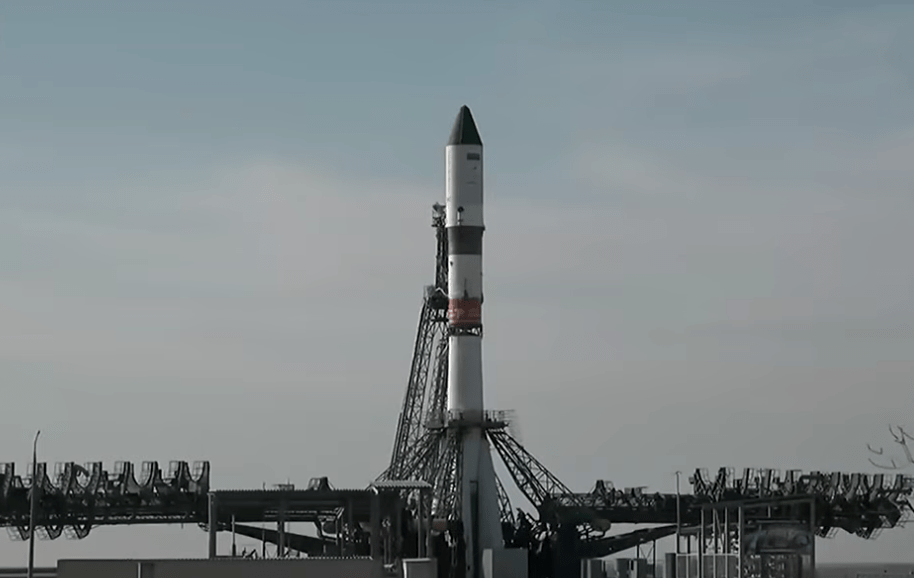
Image (Credit): The Expedition 74 crew members launched towards the space station earlier today aboard a Soyuz rocket from Baikonur Cosmodrome in Kazakhstan. (NASA/Bill Ingots)

This week’s image shows a Soyuz rocket sending a crew to the International Space Station (ISS) on Thanksgiving Day. One NASA astronaut and two Russian cosmonauts are thankful today that they are safe and sound on the ISS. NASA astronaut Chris Williams joined Roscosmos cosmonauts Sergey Kud-Sverchkov and Sergei Mikaev aboard a Soyuz rocket launched from Russia earlier today.

The three crew members of Expedition 74 join the Expedition 73 crew members already on the station, increasing the crew count to 10 members for the next few weeks. Expedition 74 is scheduled to begin on Monday, December 8th, once three members depart the ISS.

These crews change like clockwork, regardless of holidays, government shutdowns, or even hot wars back on the surface. This dedication to duty is something we can all be thankful for.

Space Stories: Threat to Chinese Space Station, Solar Storms on the ISS, and Dream Chaser Prep Continues

Credit: Image by Clker-Free-Vector-Images from Pixabay

Here are some recent space-related stories of interest.

Time: China’s Imperiled Astronauts Illustrate the Dangers of Space Debris

No trip to space can be counted a success unless you make it safely back to Earth…And it’s a lesson that was learned anew this week by the taikonauts—Chinese astronauts—Chen Dong, Chen Zhongrui, and Wang Jie. The trio arrived at China’s Tiangong Space Station aboard their Shenzhou-20 spacecraft on April 24, and were set to come home on Nov. 5, handing the keys to the station over to the three-person crew of Shenzhou-21, who arrived on Oct. 31. But that was not to be. Not long before Shenzhou-20 was set to carry the three home it was struck by a piece of space debris, leaving cracks in one of its windows. That can be deadly in a spacecraft that is supposed to remain airtight both in the vacuum of space and in the steadily thickening atmosphere as it returns to Earth.

Yahoo News: Russian Cosmonauts Take Shelter on International Space Station During Severe Solar Storm

A powerful geomagnetic storm that dazzled skywatchers across the Northern Hemisphere earlier this month also affected life aboard the International Space Station (ISS). During the Nov. 11-12 solar storm, Russian cosmonauts temporarily relocated their sleeping quarters as a precaution against increased radiation exposure, NASA confirmed.

Space News: Dream Chaser Completes Key Tests Ahead of First Flight

Sierra Space has completed key testing milestones for its Dream Chaser vehicle as the company explores both civil and national security missions for the spaceplane. The company announced Nov. 13 that the first Dream Chaser vehicle, Tenacity, completed electromagnetic interference and compatibility testing at NASA’s Kennedy Space Center...While Sierra Space is emphasizing national security uses, the company is keeping open the option of using Dream Chaser to support the ISS or future commercial space stations, known as commercial low Earth orbit destinations, or CLDs.