Video: Cool Worlds Labs Emphasizes the Need for Greater NASA Funding

Image (Credit): A graphic explaining the various instruments on the Chandra X-ray Observatory. (NASA)

Even with a good space week in hand, we still need to keep an eye on NASA’s budget to maintain a robust set of programs to explore the cosmos. A recent Youtube video by Cool Worlds Labs, “NASA’s in Trouble,” highlights those budgetary issues and focuses on what individuals can do as well, such as visiting https://www.savechandra.org/ and asking Congress to restore funds cut from the Chandra X-ray Observatory.

Professor David Kipping makes it clear he is not going to remain silent while these cuts are being considered. He and his team demonstrate their love for astronomy in every video and podcast, making them great ambassadors in this debate for continued NASA funding.

The video is forthright about the internal issues creating budgetary issues. For example, the considerable cost overruns and delays prior to the launch of the now successful James Webb Space Telescope came at a cost to other NASA programs over many years. And similar overruns are expected with future large projects as well, further squeezing other line items in the budget.

The video also highlights some promising developments that could help to lower costs in the future, though the issue on the table now is NASA’s FY 2025 budget.

View the video for yourself to learn more about the proposed budget cuts as well as what you can do to help.
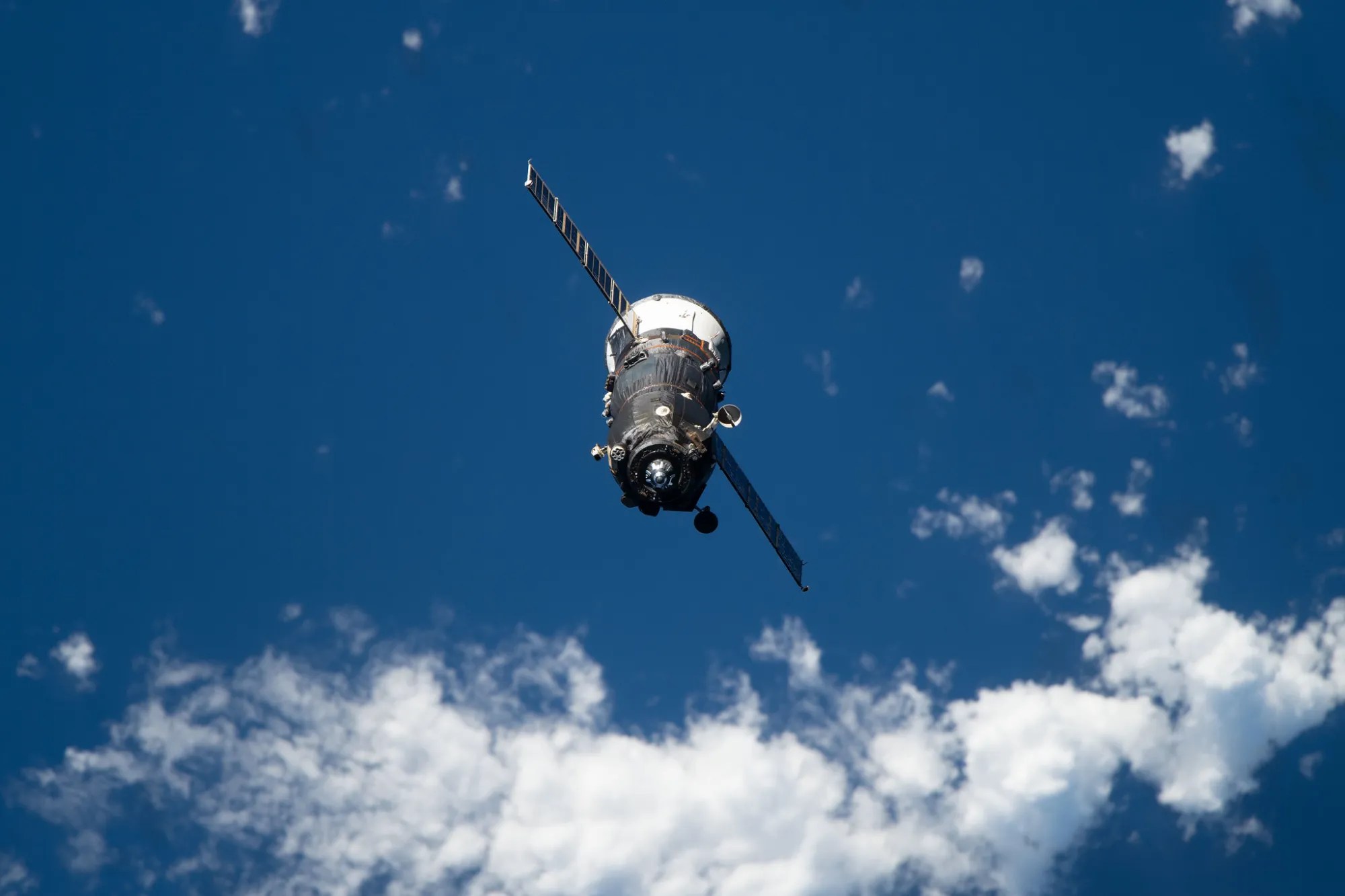

Progress 88 Resupply Mission Approaches ISS

Image (Credit): The Progress 85 cargo craft after undocking from International Space Station on Feb. 12. (NASA)

Yesterday saw another successful resupply launch towards the International Space Station (ISS). The Russian Progress 88 uncrewed spacecraft attached to a Soyuz rocket left Kazakhstan early Thursday morning. It will dock with the ISS Saturday morning (which you can watch on NASA TV).

These missions have become so routine that you generally see few if any stories about such missions. That is a sign of an efficient system. The residents on the ISS like boring efficiency as long as it gets them the supplies they need.

Stay tuned for a little more drama when the Boeing Starliner heads to the ISS tomorrow.

The Launch of PREFIRE to Monitor the Poles

NASA has more eyes in the skies after the launch on Saturday of its Polar Radiant Energy in the Far-InfraRed Experiment (PREFIRE) mission. One of Rocket Lab’s Electron rocket place the satellites into orbit from the launch facility in New Zealand.

The pair of CubeSats will spend 10 months monitoring the two poles of the Earth and help NASA to better better predict changes to the climate based on changes in the Earth’s ice, seas, and weather.

Tristan L’Ecuyer, PREFIRE’s principal investigator at thebUniversity of Wisconsin in Madison stated:

Our planet is changing quickly, and in places like the Arctic, in ways that people have never experienced before…NASA’s PREFIRE will give us new measurements of the far-infrared wavelengths being emitted from Earth’s poles, which we can use to improve climate and weather models and help people around the world deal with the consequences of climate change.

The name of the mission, PREFIRE, is a little scary given the fires throughout the world said to be associated with climate change. Sadly, we are far from pre-fire and more like mid-fire. We can only hope that better information from the satellites can help us to steer a safer path.

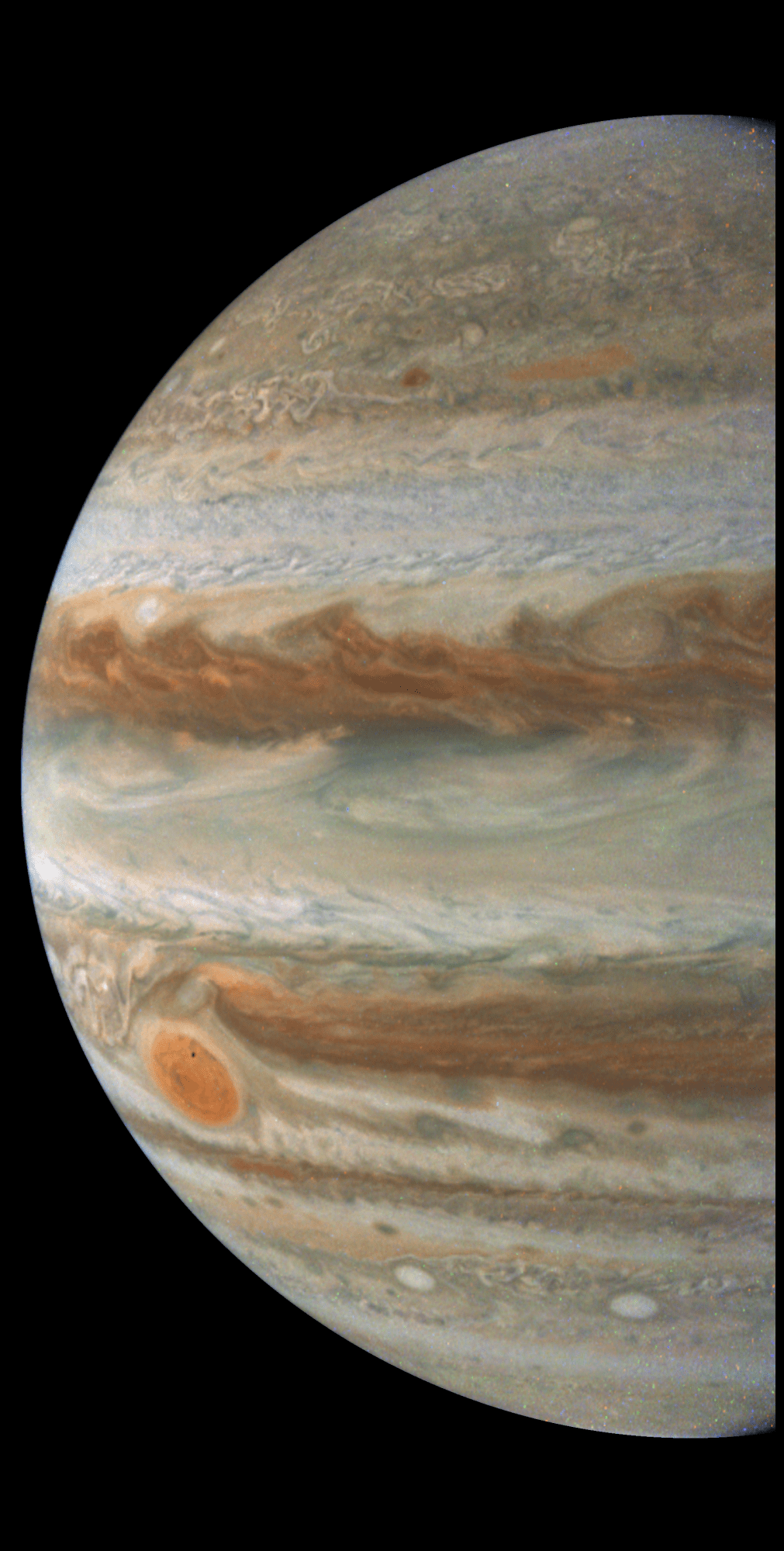
Pic of the Week: Jupiter’s Moon Amalthea

Image (Credit): Jupiter with the small moon Amalthea appearing in its Great Red Spot. (Image data: NASA/JPL-Caltech/SwRI/MSSS. Image processing by Gerald Eichstädt)

This week’s image comes from NASA’s Juno mission during a flyby back in March. It shows Jupiter’s smallest moon Amalthea orbiting Jupiter with the Great Red Spot in the background. The potato-shaped moon has a radius of 52 miles and completes an orbit of the giant planet in about half an Earth day.

You can read more about the photograph at this NASA site.

Image (Credit): Close-up of Jupiter with the small moon Amalthea appearing in its Great Red Spot. (Image data: NASA/JPL-Caltech/SwRI/MSSS. Image processing by Gerald Eichstädt)

TESS is Back Online

As of May 3, NASA’s Transiting Exoplanet Survey Satellite (TESS) was functioning again after flipping into safe mode back on April 23.

NASA shared this info regarding the shutdown:

The operations team determined this latest safe mode was triggered by a failure to properly unload momentum from the spacecraft’s reaction wheels, a routine activity needed to keep the satellite properly oriented when making observations. The propulsion system, which enables this momentum transfer, had not been successfully repressurized following a prior safe mode event April 8. The team has corrected this, allowing the mission to return to normal science operations. The cause of the April 8 safe mode event remains under investigation.

TESS is currently on an extended mission after accomplishing it primary two-year mission that located 66 confirmed exoplanets and 2,100 exoplanet candidates. Click here for a story about exoplanet HD 21749c, the first Earth-sized exoplanet discovered by TESS.

Based on NASA’s latest information, TESS has already located 440 confirmed exoplanets and 7,147 exoplanet candidates. And now that its back online, the search can continue.