Asteroid Sample Coming to Earth This Weekend

Image (Credit): Asteroid Bennu as seen by the OSIRIS-REx as it begins its return to Earth back in May 2021. (NASA/Goddard/University of Arizona; Writer Daniel Stolte, University of Arizona)

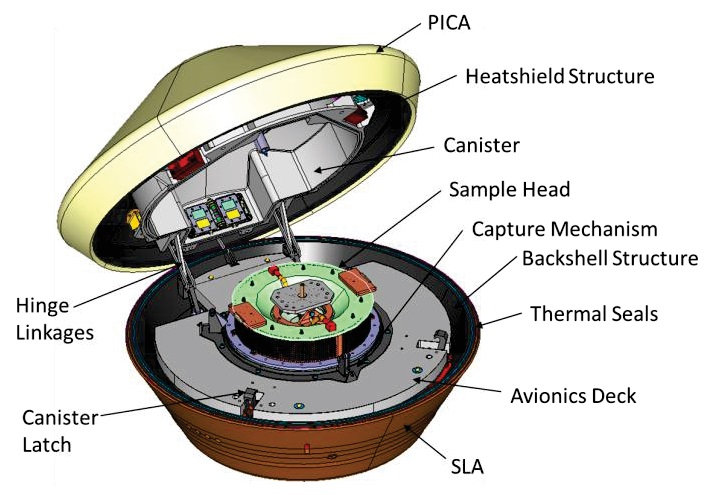
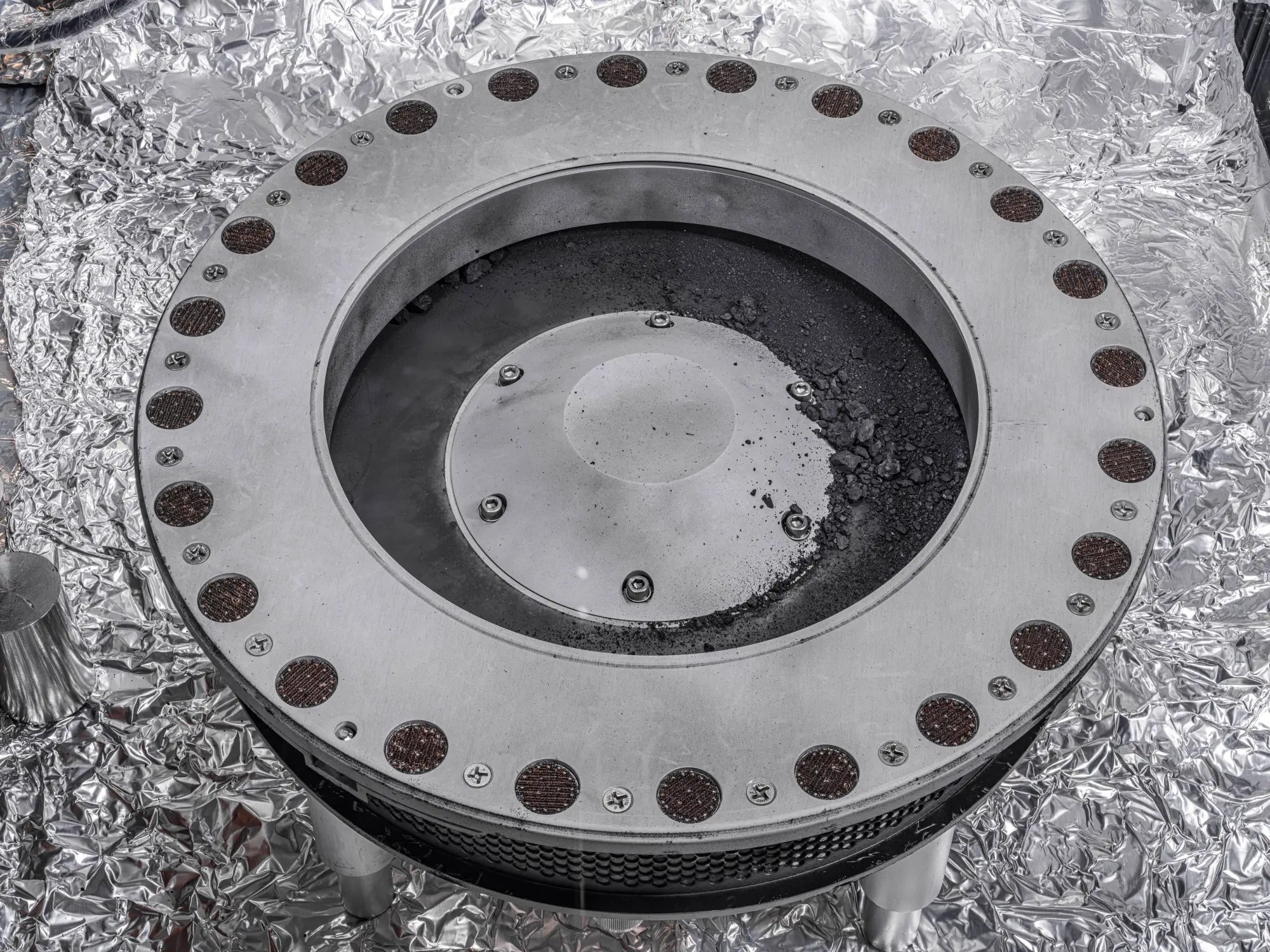
This weekend will should see the safe landing of a asteroid sample from far away. On Sunday, NASA’s Origins, Spectral Interpretation, Resource Identification, Security, Regolith Explorer (OSIRIS-REx) spacecraft will return to Earth with sample material from asteroid Bennu, which it encountered two years ago.

Launched on Sept. 8, 2016, the spacecraft spent about two years getting to Bennu and then more than two years studying the asteroid and collecting a 250-gram sample that should be in the hands of NASA scientists shortly. The graphic below shows the return path of the sample as it heads for the Utah desert. You can also watch this NASA video for more information on the overall mission and keep abreast of mission highlights via this mission blog. NASA also has a recent podcast discussing the spacecraft’s adventures and trip back to Earth.

And what about OSIRIS-REx after it makes this deposit? It will become OSIRIS-APEX (APEX for “Apophis Explorer”) and go back into the inner solar system before encountering asteroid Apophis in 2029.

We talk about rocket reuse, but this is a terrific example of spacecraft reuse.

The timing could not be better as NASA awaits 2024 budget decisions from Congress and further discussions about another sample return, this one from Mars.

Credit: NASA

Pic of the Week: Astronaut Frank Rubio Still at Work on the ISS

Image (Credit): NASA astronauts Frank Rubio (left) and Josh Cassada (back to camera) working outside the ISS last November. (NASA TV)

This week’s image shows astronaut Frank Rubio hard at work last year outside the International Space Station (ISS). He has now exceeded the U.S. space duration record, which was 355 days. All of this was unplanned, come as the result of a faulty Russian capsule that kept him on the station longer than his scheduled six month tour.

Mr. Rubio is set to return to Earth on September 27. At that point, he will have spent 371 days in space.

This CBS News segment discusses some of the risks related to a longer stay on the station.

The Pragyan Rover is Sleeping on the Moon

Image (Credit): Photo of the Vikram lander, which put the Pragyan rover on the Moon. (ISRO via AP/Alamy)

After a few weeks of work, India’s Pragyan rover on the Moon’s south pole was put to sleep last weekend to sit out the long lunar evening. It accomplished all of its goals, according to a Tweet from the Indian Space Research Organisation (ISRO):

We shall know in a few weeks whether the little lander is ready for more work.

Nature magazine noted some of the findings from the rover’s primary mission, including:

  • ions and electrons swirling near the lunar pole;
  • variations in soil temperature;
  • a moonquake; and
  • presence of sulfur and other elements.

Whatever happens, the Indian rover has been a great success.

India Has Been Busy – It Now Heads for the Sun

Over the weekend, India launched another important space mission. The mission of the Aditya-L1 spacecraft is to spend four months studying the outer layers of the Sun.

The Indian Space Research Organisation (ISRO) is overseeing the mission, which will come to rest at the L1 Lagrange point from where it will observe the Sun.

For more details on the mission, check out the ISRO website where you can find details about the spacecraft’s objectives and scientific equipment.

This latest mission comes right after India’s successful landing on the Moon, showing all of us that it is not resting on its laurels. The country clearly wants to be in the forefront of the space and science race.

A New Crew Departs for the ISS

Image (Credit): ISS crew preparing for August 26, 2023 launch. (Terry Renna/AP Photo)

A new crew departed Earth for the International Space Station (ISS) at 3:27am ET today from NASA’s Kennedy Space Center in Florida via a SpaceX Falcon 9 rocket. The crew includes:

  • NASA astronaut Jasmin Moghbeli,
  • ESA (European Space Agency) astronaut Andreas Mogensen,
  • JAXA (Japan Aerospace Exploration Agency) astronaut Satoshi Furukawa, and
  • Roscosmos cosmonaut Konstantin Borisov.

The new crew should be onboard the ISS tomorrow morning, bringing the number of occupants at the station to 11 until 4 crew members return to Earth in a few days.

Russia is probably happy to have attention back on the ISS rather than the Moon for the moment. It has not been a good week for the Russian space program.

You can read more about the new crew members at this NASA site.