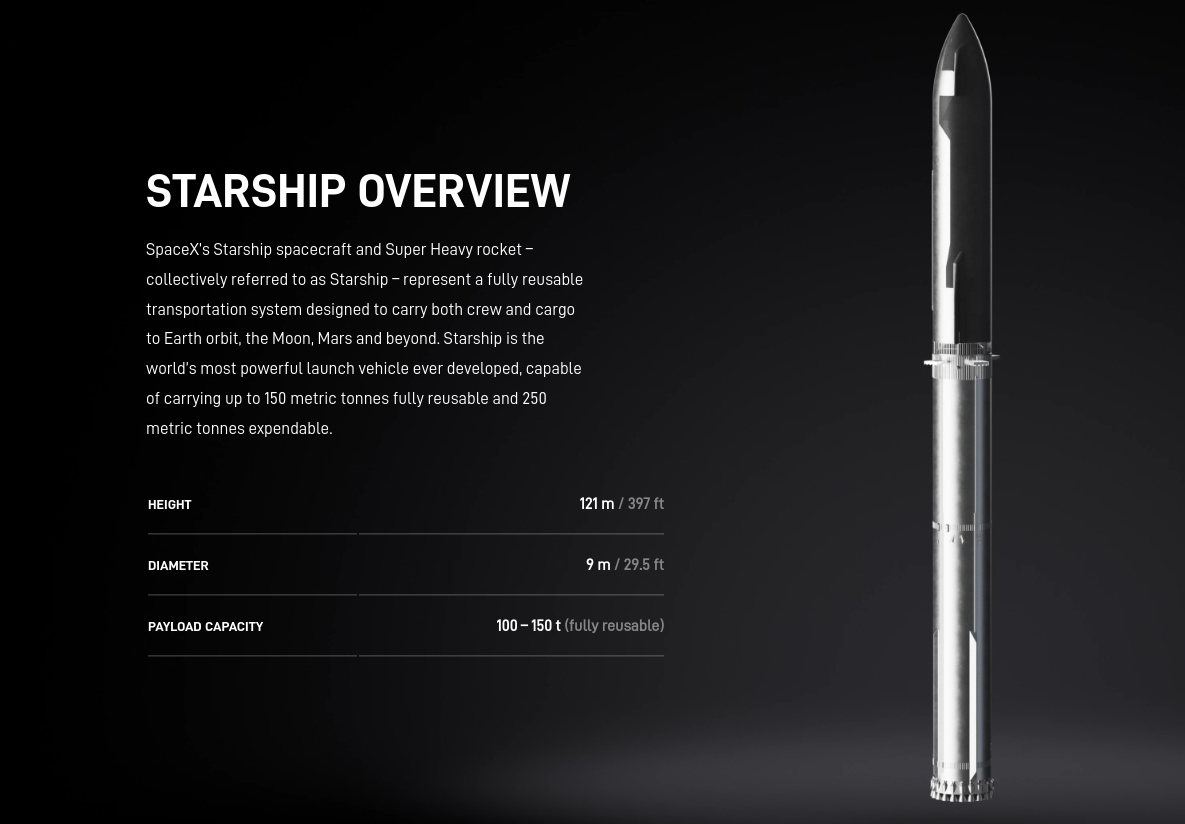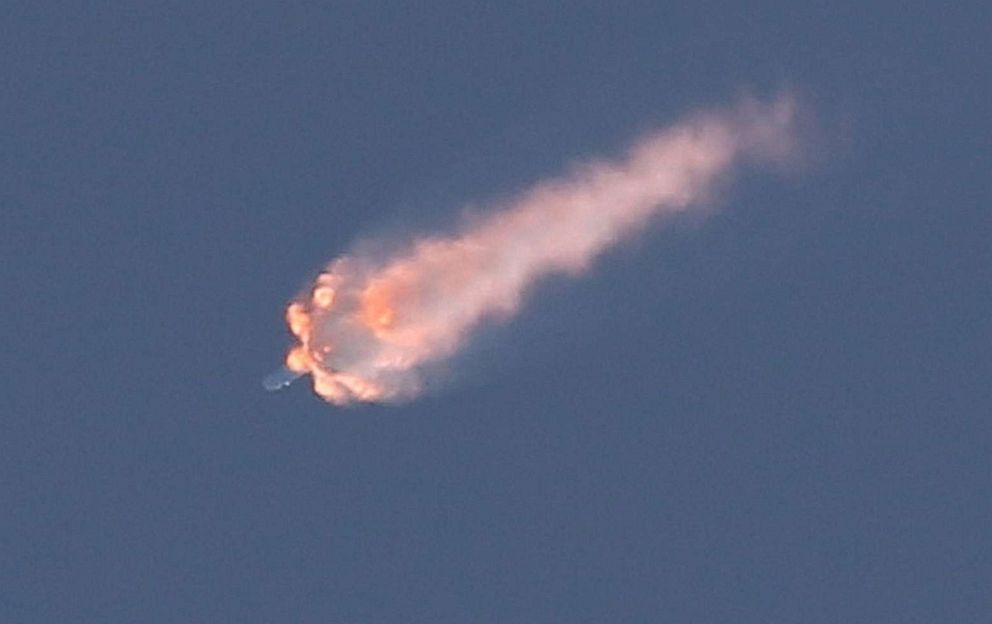
The Federal Aviation Administration has given SpaceX a green light to move forward with its next test of the Starship rocket. SpaceX may attempt the launch as soon as Saturday.
Let’s hope SpaceX can get back on track with its rocket. NASA is counting on the Starship as part of its Artemis III mission returning humans to the Moon, though recent delays have concerned all parties and may push off the Moon mission.
If you are trying to learn more about the space programs at NASA, you can download the recently updated NASA+ app, which has a variety of videos and astronomy series to please anyone’s curiosity. For instance, check out the videos under “Scientific Wonders” to learn more about the James Webb Space Telescope, the New Horizons mission to Pluto, the Hubble Space Telescope, the Kepler Space Telescope, the OSIRIS-REx asteroid sample return, and much more.
This free app can bring you up to speed on the earlier space programs as well as provide updates on the latest missions. For example, you can watch the video showing yesterday’s docking of the SpaceX CRS-29 Cargo Dragon Resupply Craft with the International Space Program.
You cannot go wrong with this free app. You can read more about the updated NASA+ app here.
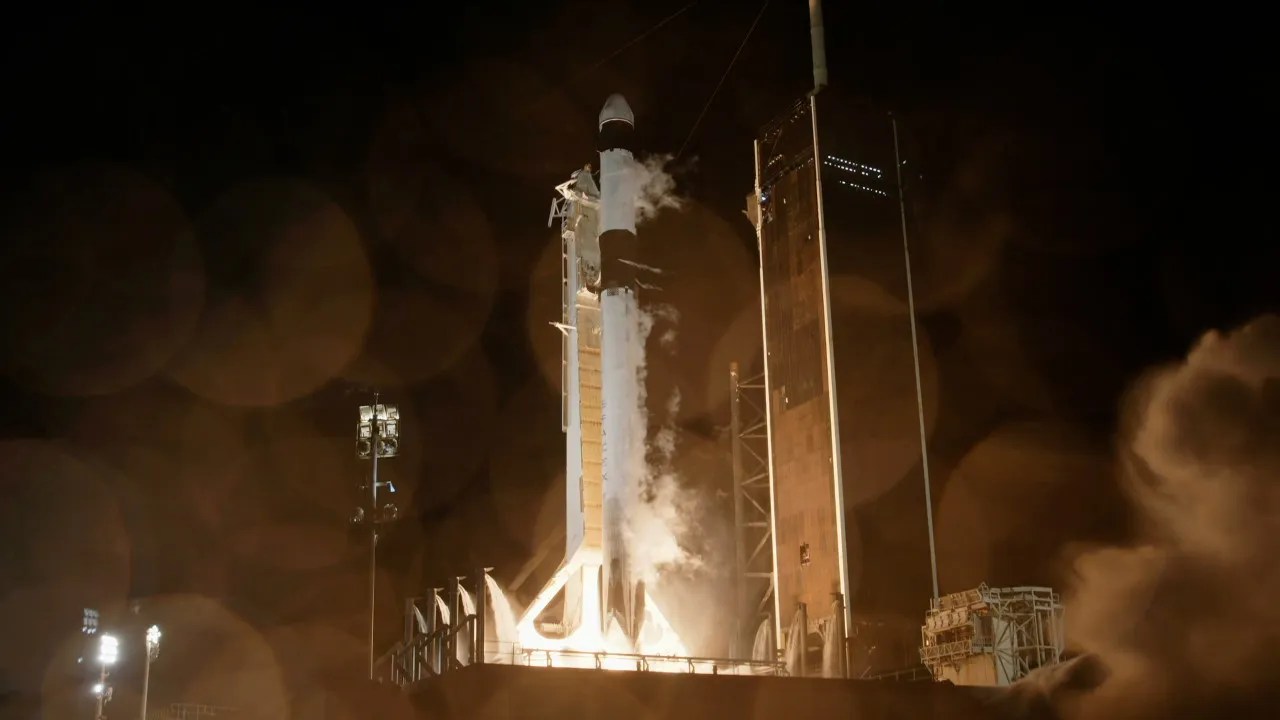
Image (Credit): The launch of the CRS-19 resupply mission to the ISS on Thursday, November 9. (NASA)
Yesterday, NASA sent another resupply mission to the International Space Station (ISS) aboard a SpaceX Dragon spacecraft. It will not rendezvous with the ISS until early Saturday morning (no sleeping in for the crew).
This mission, CRS-29, will be SpaceX’s 29th supply mission to the ISS. The next most frequent resupplier is Northrop Grumman, which has sent 19 resupply missions to the ISS.
If you are interested in the material being brought to the station, NASA discusses some of the contents here.
You can also follow the progress of the latest mission here.
If you missed the Annual International Mars Society Convention last weekend in Arizona, you will soon be able to catch up on all of the presentations.
First, you can find abstracts on all of the convention presentations here, which includes many topics, such as:
Investigating the Effects of Time-Delayed Communications on the Crew Mission Support;
Terraform Earth, then Mars;
Methods for Choosing Government Officials in the Mars Context;
Space and Ocean exploration as the Alternative to World War III;
Agriculture on Mars; and
Advancements in Sustainable Materials for Revolutionizing Mars Exploration.
Next, you can find the recordings of many of the presentations from past conventions on the Society’s YouTube page. I expect you will soon see recordings from the latest convention on this same Youtube page as well.
It’s a great service for interested parties who could not make it to the conventions. I recommend you check it out.
Fashion house Prada has teamed up with commercial space company Axiom Space to create lunar spacesuits for NASA’s Artemis III mission, which will be the first crewed moon landing since 1972.Called Axiom Extravehicular Mobility Unit (AxEMU), the suits will be designed to give astronauts “advanced capabilities for space exploration,” Prada said. They are an evolution of NASA’s Exploration Extravehicular Mobility Unit (xEMU) spacesuit design and will use “innovative technologies and design” to be more flexible and provide more protection against the harsh lunar environment, according to the brand.
On some nights, one of the brightest objects in the sky is neither a planet nor a star. It is a telecommunications satellite called BlueWalker 3, and at times it outshines 99% of the stars visible from a dark location on Earth, according to observations reported today in Nature. BlueWalker 3 is the most brilliant recent addition to a sky that is already swarming with satellites. The spaceflight company SpaceX alone has launched more than 5,000 satellites into orbit, and companies around the globe have collectively proposed launching more than half a million satellites in the coming years — a scenario that astronomers fear could hamper scientific observations of the Universe.
The Russian segment of the International Space Station (ISS) has sprung its third coolant leak in under a year, raising new questions about the reliability of the country’s space programme even as officials said crew members were not in danger. Flakes of frozen coolant spraying into space were seen in an official live feed of the orbital lab provided by Nasa on Monday, and confirmed in radio chatter between US mission control and astronauts. “The Nauka module of the Russian segment of the ISS has suffered a coolant leak from the external (backup) radiator circuit, which was delivered to the station in 2012,” Russian space agency Roscosmos said on Telegram, adding temperatures remained normal in the affected unit.