

If you are still pondering the Starship mess in Texas, I recommend you listen to a discussion about the incident in The Planetary Society’s podcast Planetary Radio. In the episode, Space Policy Edition: SpaceX’s Starship vs. the Environment, With Eric Roesch, podcast host Casey Dreier, who is Chief of Space Policy for The Planetary Society, interviews Eric Roesch, who is an environmental expert and publisher of the ESG Hound blog.
To understand Mr. Roesch’s concerns, you may want to start with his April 16 article, “SpaceX’s Texas Rocket is Going To Cause A Lot More Damage Than Anyone Thinks.” He predicted:
The harm from the full launches will undoubtedly be greater than what was disclosed to the public. These damages may show up as shattered windows and the corpses of hundreds of dead shorebirds; immediate and obvious. Or they may not be entirely clear until years from now when SpaceX eventually closes shop on the Texas coast for greener pastures. The scars on the land, the people, and the wildlife won’t just disappear. They’ll linger, and hopefully, by then people will be willing to listen to the story.
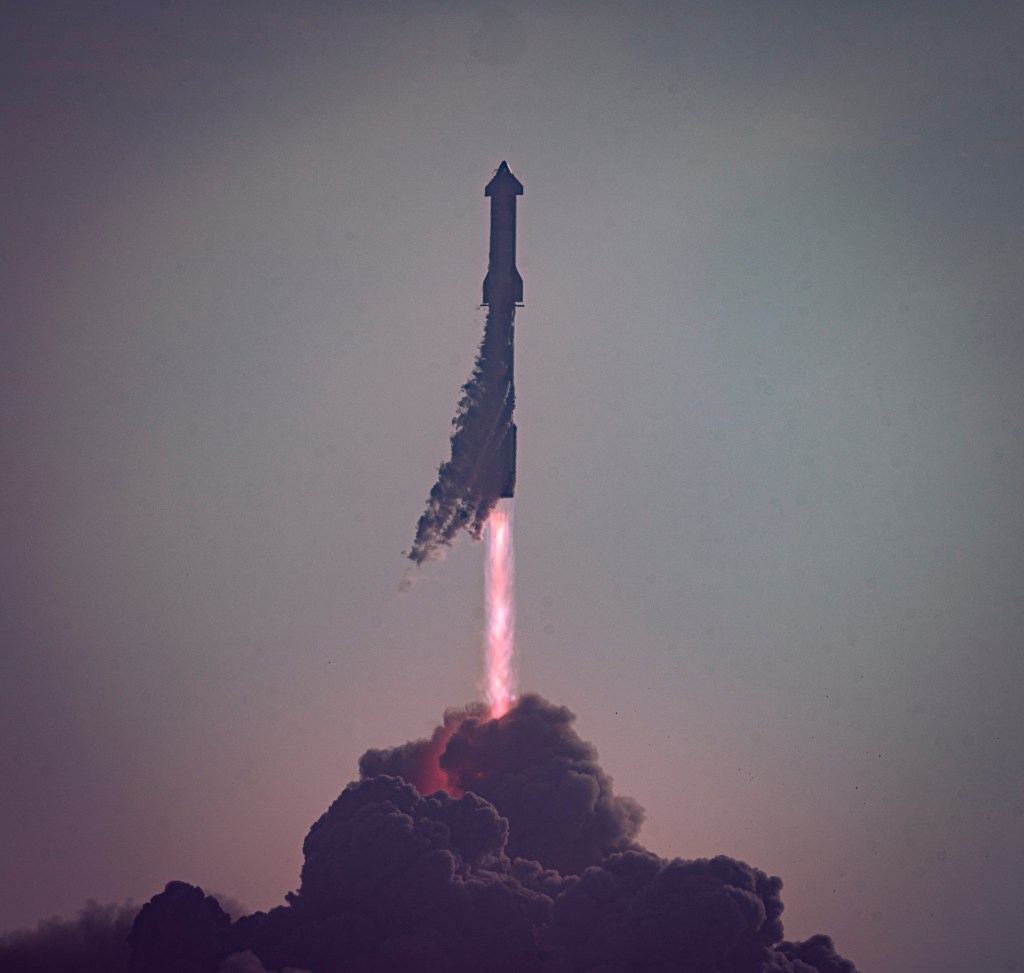
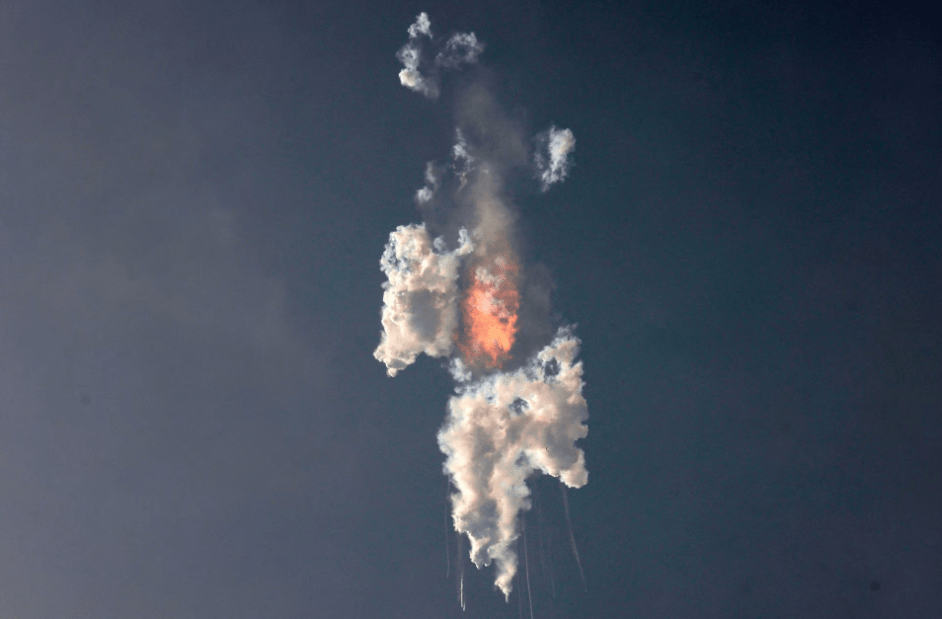
He was right on the mark considering the mess left behind by the Starship after its test launch. While Elon Musk wanted to downplay the damage, the launch debris has led to a lawsuit against the Federal Aviation Administration (FAA) for allowing the launch to take place at all. The issue seems to be an FAA that probably trusted SpaceX too much on the Texas launch facility, which was initially procured for the smaller Falcon 9 rocket launches rather than the Starship monster that is tearing up the pad.
This is not good for SpaceX, nor is it good for the commercial space industry. Mr. Musk has already caused enough problems in other industries without tarnishing the commercial space industry with a “devil may care” attitude.
As the podcast story notes, he stands to divide the public on space programs. The choice does not need to be protecting the environment or traveling to space. We can do both, and we need some grown-ups at SpaceX to understand this.


 Our Awesome Universe