Blue Origin Looses a Booster, and SpaceX Looses a Rocket

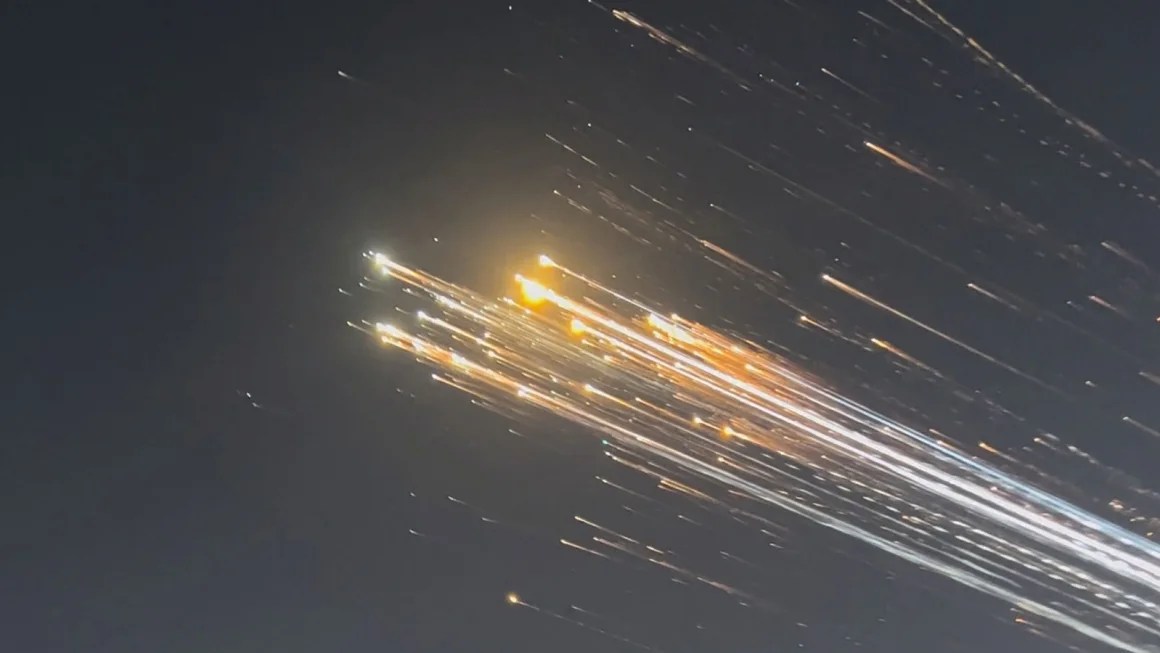
Image (Credit): Debris from the recent Starship streak across the sky over Turks and Caicos Islands. (Marcus Haworth via Reuters)

Overall, it was a good week in space with two lunar missions launched and the successful test of Blue Origin’s New Glenn rocket. Unfortunately, it did not end so well when SpaceX lost its Starship rocket during its seventh test of that system.

While the Starship’s booster made another dramatic landing, the rocket itself disintegrated 10 minutes after launch from Texas to became fireworks over the Caribbean. SpaceX prefers the term “rapid unscheduled disassembly,” but the results are the same.

Following the launch, SpaceX posted:

It served as a reminder that development testing, by definition, can be unpredictable…We will conduct a thorough investigation, in coordination with the FAA, and implement corrective actions to make improvements on future Starship flight tests.

It is also worth remembering that fancy booster landings are beside the point when your crew and cargo have disintegrated, which fortunately was not the case here. SpaceX needs to keep its focus on the rocket first and foremost.

Maybe the same can be said about the company’s CEO.

Podcast: The Future of NASA and the Space Industry

Credit: Planetary Radio

For a good summary of the current situation at NASA and the potential potholes ahead, I recommend you listen into The Planetary Society’s Planetary Radio podcast titled “Space Policy Edition: The Challenges of Change at NASA.”

You can hear host Casey Dreier, who is Chief of Space Policy for The Planetary Society, talk with Marcia Smith, the Founder and Editor for Space Policy Online. It is a candid conversation that spares no punches at NASA management for its secrecy related to delays with the Artemis program.

A few issues that stayed with me include:

  • Why all the criticism of the Space Launch System (SLS), as well as the accolades for the still unproven Starship, when the Starship was barely an idea at the time the SLS was being designed and built?
  • Elon Musk represents a “single point of failure” in the US space program.
  • The incentives of the space billionaires, which is generally curiosity and self-aggrandizing similar to climbing Mount Everest, cannot replace the dedication to national (and even international, in the case of Artemis) interests represented by the US astronauts.

I am sure you will have your own takeaways. It is a good way to spend an hour of your time.

Is Blue Origin Ready to Challenge SpaceX?

Image (Credit): Blue Origin’s New Glenn rocket. (Blue Origin)

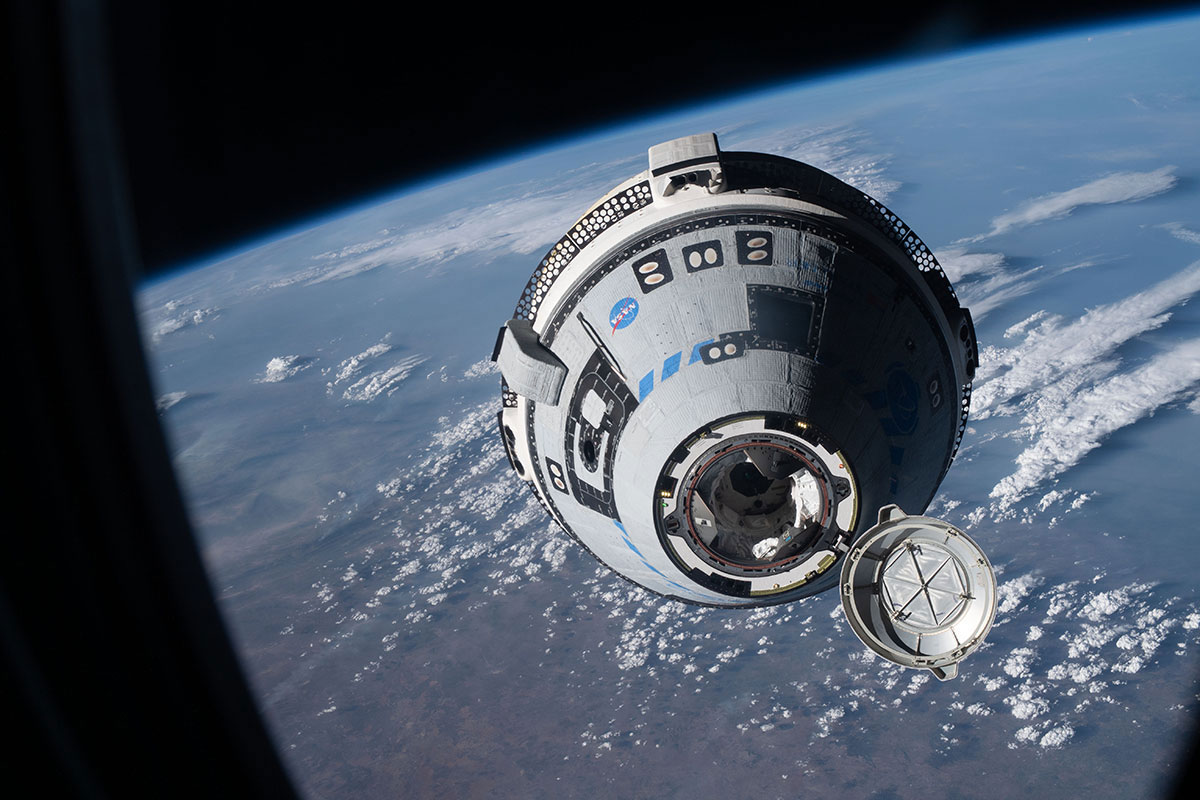
Sometime next week, Blue Origin is expected to launch its New Glenn rocket, which could put it back in the running as a true challenger to SpaceX for space launches. I know, we already heard this story about Boeing’s Starliner challenging Space’s Dragon capsule, but this may be different.

Per the last posting on Blue Origin’s website on December 27, the rocket is ready to go:

New Glenn successfully completed an integrated launch vehicle hotfire test today, the final major milestone on our road to first flight. NG-1 will carry a Blue Ring Pathfinder as its first manifested payload and will launch from Launch Complex 36 in Cape Canaveral, FL.

The boosters on the 30-story New Glenn rocket are designed to land safely after the launch for future use. Sound familiar? In face, Blue Origin was the first company to successfully test a reusable rocket, so this is nothing new. The New Glenn also has a greater capacity than SpaceX’s Falcon 9.

Blue Origin has high hopes for it new rocket, including military satellite contracts, a new space station (Orbital Reef), and the launch of Amazon’s broadband satellite system (Project Kuiper).

NASA and the US space industry also have high hopes that the Blue Origin can increase the competition for launches and add some redundancy (you know, in case Mr. Musk really goes off the rails).

If commercial space is the future, then we need more capable players to keep it alive and vibrant. With that in mind, we can only hope for a very successful launch and increased competition down the road.

Looking Back at What Did Not Work in 2024

Image (Credit): NASA’s new Advanced Composite Solar Sail System. (NASA)

It is worthwhile reflecting on all of the space successes in 2024, though if we believe we learn from our mistakes then it would seem the mission shortcomings are worth highlighting as well.

Fortunately, Live Science has prepared a list for our review. Its article “10 Times Space Missions Went Very Wrong in 2024” includes well known stories, such as the stranded Starliner and SpaceX rocket woes, as well as less covered items, such as:

  • Tumbling Solar Sail – the failure of NASA’s new Advanced Composite Solar Sail System (ACS3);
  • Shattering Spacecraft – multiple cases of new space debris and close calls that could have impacted other space missions; and
  • Multiple Voyager Issues – the continued decline of the two Voyager probes as they reach further into space.

Check out the story for a full list of issues.

Note: This website has also covered a number of flubs, including:

NASA Accomplishments in 2024

NASA has plenty of good news to share from 2024, as highlighted in its NASA: Best of 2024 video and accompanying press release.

Just a few of these accomplishments include:

  • In February, the first Moon landing through the agency’s Commercial Lunar Payload Services initiative brought NASA science to the lunar surface on Intuitive Machines’ Nova-C lander successfully capturing data that will help us better understand the Moon’s environment and improve landing precision and safety.
  • After launching into space in February, NASA’s Plankton, Aerosol, Cloud, ocean Ecosystem (PACE) satellite mission is successfully transmitting first-of-their-kind measurements of ocean health, air quality, and the effects of a changing climate.
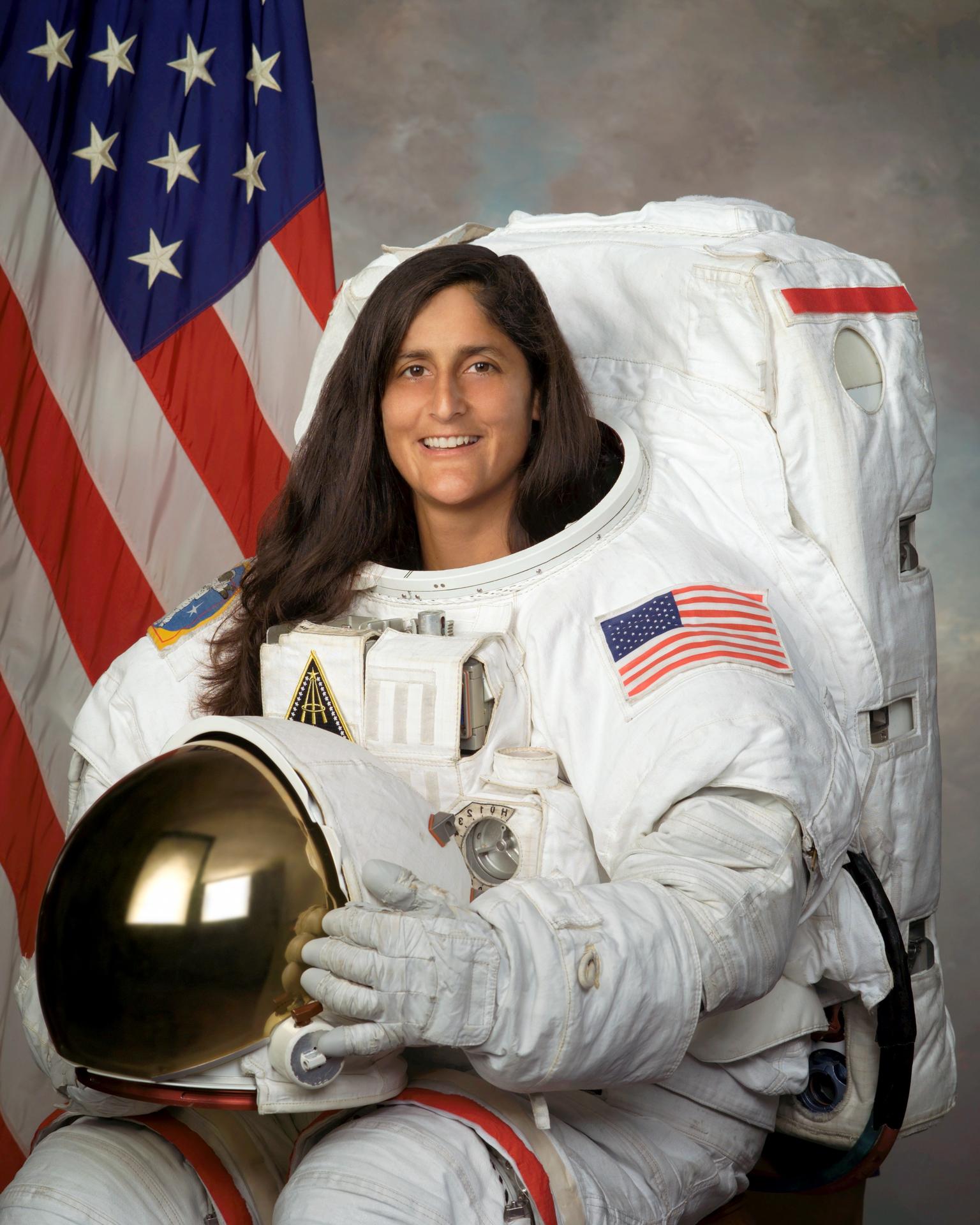
  • In June, NASA astronauts Butch Wilmore and Suni Williams safely arrived at the space station aboard Boeing’s Starliner spacecraft following launch of their flight test. With Starliner’s arrival, it was the first time in station history three different spacecraft that carried crew to station were docked at the same time. Starliner returned uncrewed in September following a decision by NASA. Wilmore and Williams, now serving as part of the agency’s Crew-9 mission, will return to Earth in February 2025.
  • Deployed NASA’s Advanced Composite Solar Sail System in space, marking a successful test of its composite boom technology.
  • Awarded nearly $45 million to 21 higher-education institutions to help build capacity for research, and announced the recipients of grants that will support scientific and technical research projects for more than 20 universities and organizations across the United States.

The long list from which this was taken is impressive. However, we also need to note a few of the problems this year. This includes troubled commercial missions to the Moon, a Boeing crew stranded on the International Space Station after a problematic Starliner test, delays in the SpaceX Starship rocket tests, a cancelled Moon rover, budget cuts at NASA as well as layoffs at JPL, cost overruns on the Mars Sample Return mission, and a delay in the Artemis II and III launch dates.

This does not override the accomplishments, but it puts them into context at a time of changing administrations in Washington. This will come with hard questions about the viability of current missions as well as the cost of future missions.

I agree 2024 has plenty of proud moments. That said, 2025 will be a very challenging year for NASA. The agency will need solid answers to hard questions, cost effective options for struggling missions, and plenty of public support to weather calls for additional budget cuts.

I have confidence NASA will come out of this even stronger, even if it is a bit bruised in the process.