Podcast: Romans in Space

If you are searching for a good podcast to listen to on your next drive, you might enjoy a recent podcast from The Rest is History discussing the ideas of the early Roman Republic that may have informed George Lucas and his Star Wars films.

In the episode, “Romans in Space: Star Wars, Dune and Beyond…,” the narrators also discuss the influence of Rome on other popular series, from earlier stories, such as Issac Asimov’s Foundation, Frank Herbert’s Dune, and Star Trek, to more recent tales, such as Battlestar Galactica and The Hunger Games. The discussion also touches on the role of the Nazis, the American Revolution, Islam, and even the story of King Arthur in these science fiction stories.

No stone is left unturned in this 55 minute episode, with plenty of ideas to keep your head spinning and your mind guessing. After listening, I bet you will play it a second time just to be sure you took it all in (and wrote down some references you might want to research on your own).

Space Quote: The Megachurch Called Star Trek

Credit: Gallery Books

“Yes. I see it very, very clearly and very strongly. It was about truth and fairness and honesty and respect for others, no matter who they were or what strange alien creature they looked like. That was immaterial. They were alive. And if they needed help, Jean-Luc Picard and his crew, his team, were there to give it. So, yes, in a sense, we were ministers. And I have heard now so many times from individuals who have been honest enough and brave enough to tell me aspects of their life, of their health, of their mental health, and how it was all saved and improved by watching every week.”

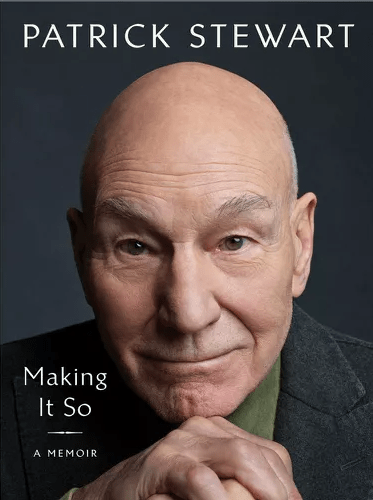
-Actor Patrick Stewart in an interview with NPR responding to a question about whether he has noticed the fans’ religion-like reverence for Star Trek: The Next Generation. The conversation follows the release of Mr. Stewart’s new memoir, Making It So.

Damn it, Jim! I’m a Doctor, Not a Spider!

Image (Credit): Dr. McCoy on the television series Star Trek. (CBS / Paramount)

The Star Trek name and characters have been thrown around in popular culture for years, but now scientists have locked onto them. A new group of spiders, part of the Roddenberryus genus (yes, that’s right), have been named Kirk, McCoy and Spock.

If you do not believe me, take a look at this article in the New York Times, “It’s a Spider, Not a Doctor, Captain or Vulcan.” The article quotes Dr. Bonaldo, a researcher at the Paraense Emílio Goeldi Museum in Brazil, who made this statement about the newly-named spiders:

They somewhat resemble Star Trek spaceships…Arachnologists have a long tradition of giving interesting scientific names for new genera and species, as most of us believe it is a great opportunity to acknowledge people or draw parallels with pop culture and local customs.

I expect Dr. McCoy would be yelling for weeks about this one.

Television: Singing with Star Trek

Image (Credit): Spock singing in the latest episode of Star Trek: Strange New Worlds. (Paramount+)

If you are following Star Trek: Strange New Worlds, then you may have already encountered episode 9 of the second season, titled “Subspace Rhapsody.” Should you have missed it, then you are in for a treat because this is the first Star Trek musical episode. And it is fun.

For just a taste, check out this clip with an emotional Spock singing his heart out. I do not want to give to much away and spoil the episode if you are not that far along in the series, but let’s just say Spoke is have relationship issues. You must admit that Ethan Peck has a nice voice, as do his crew mates singing other pieces.

The whole thing has the feeling of the Buffy the Vampire Slayer singing episode, which is fine with me given that I believe it was one of the better episodes of that show.

By the way, Spock also had a small singing part in the original series. In that case, he sang a serenade accompanied by a harp. It’s a short piece, yet enough to show that Mr. Peck beats Mr. Nimoy as a singer.

Last season, Strange New Worlds had the cast caught up in a children’s story. I did not find that one to be as enjoyable, but it was another attempt to have some fun with the series. I like the effort to keep it fresh.

Maybe another ballad could be fit into an episode down the road – maybe something similar to what The Orville did in its final two episodes. That too created two of the more memorable episodes of that series.

Television: Season Two of Foundation

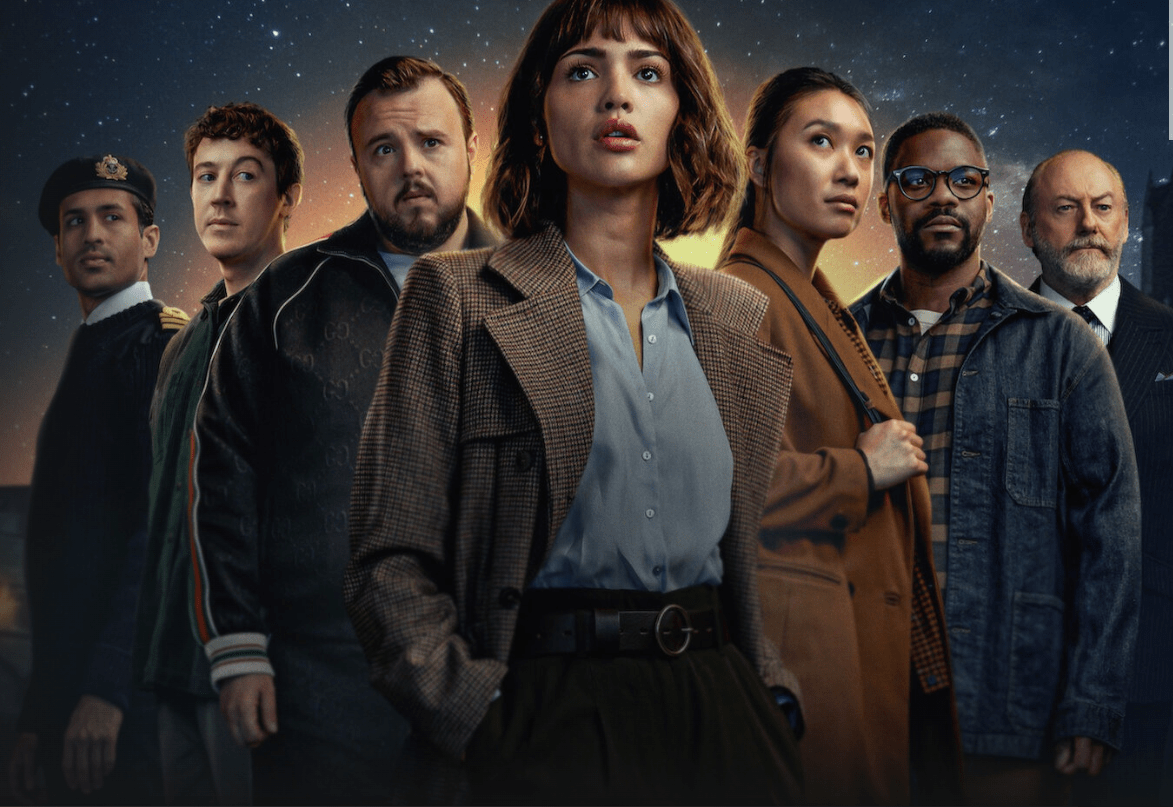
Image (Credit): Poster for season two of Foundation. (Apple TV+)

If you are not watching Foundation on Apple TV+, I recommend you give it a try. Season two begins today.

We need it during a summer with very few if any films touching on space fantasies (without Marvel or DC Comics superheros). The season two trailer will show you what is in store this season, but you need to start from the beginning with season one. You do not want to miss a minute of this series.

The Foundation television series is a cross between Dune and Game of Thrones, with plenty of corrupt dynasties, rebel alliances, and moral dilemmas. However, you should not expect it to closely track Issac Asimov’s books. It deviates from and expands on the themes from the books, but this television story is its own creature. You should enjoy the book and television series separately.

Back in 2021, Belen Edwards wrote a good piece for Mashable called “How Apple TV’s ‘Foundation’ is different from the books.” You will not need it if you are new to the overall story or willing to trust Apple TV+ to give you a good show, but if you are curious about the variations on a theme then this will satisfy that itch.

I am just happy that we have a summer space blockbuster to keep us satisfied. And it is a welcome addition to the constant renewal of Star Trek and Star Wars series. Don’t get me wrong. I want all of it. But Asimov’s universe is another great place to travel if only to better understand the world back here.