One Week Left to Sign-up for NASA Internships/Fellowships

If you are a high school or college student and have always wanted to work on a human landing system,  Mars mission architecture integration, or even crater navigation, then NASA has a place for you. In fact, NASA has published 100 areas where interns and fellows are needed, with many of them being paid positions. You can find the list and start the application process here.

If any of these areas sound like fun, you still have until April 12 to submit an application for an internship or fellowship. And don’t worry. You do not need to be an engineering student or even interested in engineering. NASA has stated,

A common misconception is that NASA only offers engineering internships. Please know that we have opportunities for students who are not majoring in engineering. NASA needs employees with a variety of knowledge and skills. At NASA, our engineers, mathematicians, scientists, accountants, writers, IT specialists, project managers, program analysts, and many other professionals work together to break barriers to achieve the seemingly impossible. Non-engineering interns may support a variety of business and program management work, including procurement, budgeting, accounting, information technology, and security.

For example, among the 100 openings you have assignments such as a NASA audio storytelling intern, an illustration/graphic design intern, and an Earth Information Center coordinator. NASA is a big organization with a variety of needs.

This is a great opportunity if you have any interest at all in a NASA career, or just want to have a unique experience.
Volunteers Needed for Mars Study

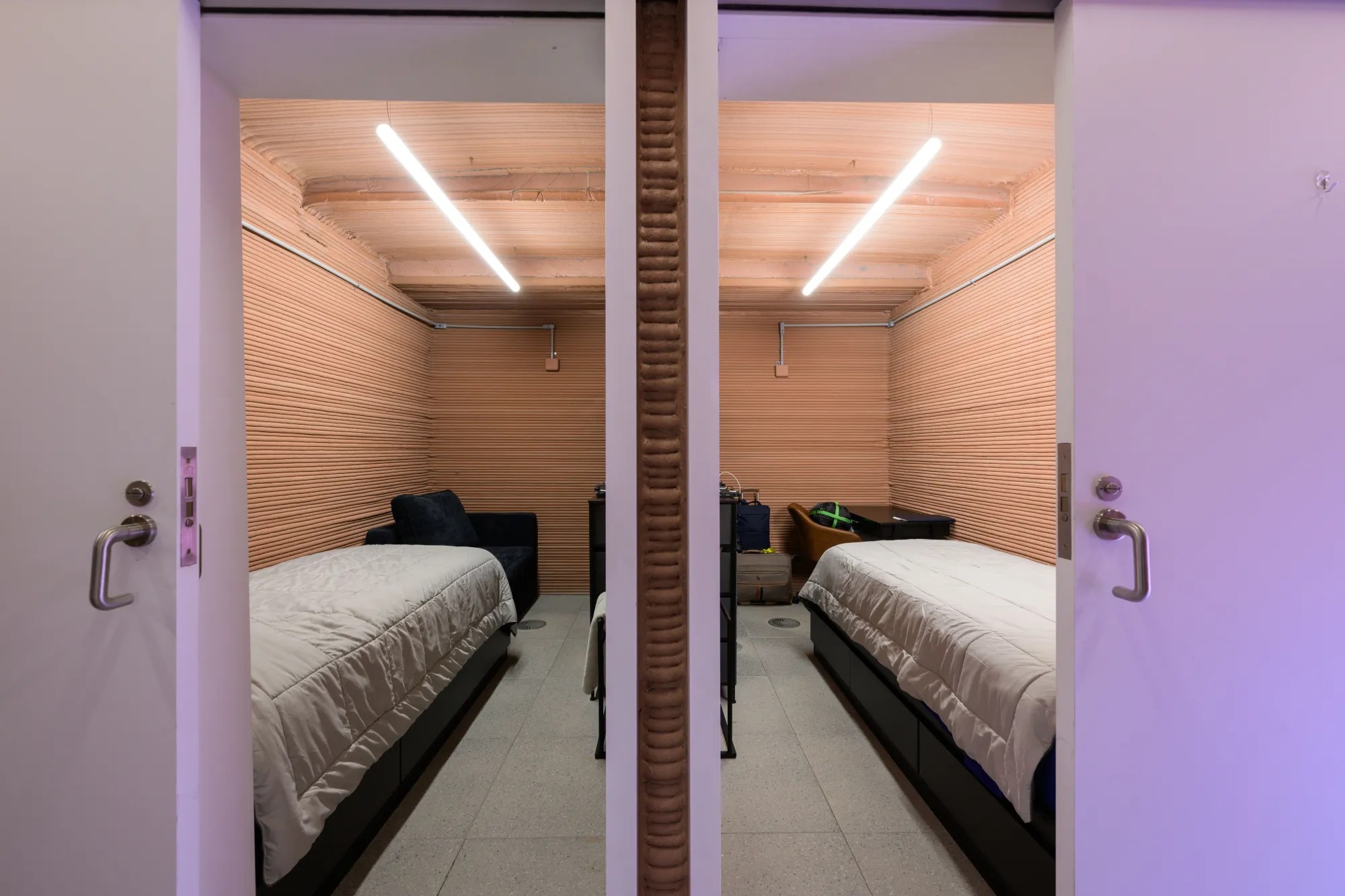
Image (Credit): A picture of the 1,700-square-foot CHAPEA habitat, which contains individual living quarters for four volunteer crew members. (NASA/Bill Stafford)

Are you a motivated U.S. citizen or permanent resident who is a non-smoker, 30-55 years old, and proficient in English for effective communication between crewmates and mission control? Are you interested in helping NASA with its Mars program? If so, you have until April 2nd to contact NASA and volunteer for its second Crew Health and Performance Exploration Analog (CHAPEA) mission, which is set to begin in spring 2025.

And what does this mission entail? You will live in a 3D-printed habitat (the Mars Dune Alpha) with three other crew members for about a year. The mission includes simulated spacewalks, physical and behavioral health and performance challenges, and more.

NASA goals for the CHAPEA mission is as follows:

To obtain the most accurate data during the analog, the analog mission will be as Mars-realistic as feasible, which may include environmental stressors such as resource limitations, isolation, equipment failure, and significant workloads. The major crew activities during the analog may consist of simulated spacewalks including virtual reality, communications, crop growth, meal preparation and consumption, exercise, hygiene activities, maintenance work, personal time, science work, and sleep.

It may sound like a return to the time of Covid, but this time the results will be recorded and used by scientists for future space programs.

If this sounds like something you might like to do, you should consider sending in an application.

Volunteer to Become a NASA Ambassador

Credit: NASA

What kind of ambassador, you ask? Well, NASA is looking for what are called “Partner Eclipse Ambassadors.” Volunteers for this position will assist NASA as it prepares communities for the April 2024 solar eclipse.

NASA promises the following to support volunteer ambassadors:

  • A supportive network of enthusiasts who regularly share eclipse support;
  • A partner in your community (each partnership consists of an undergraduate and an eclipse enthusiast);
  • Materials including solar viewing glasses, activities, handouts, and more;
  • Connections to local community centers reaching underserved audiences;
  • Regular social hours and presentations from experts in eclipses and communication; and
  • Opportunities to continue your journey with NASA through collaborations with partners in heliophysics, education, and communication.

You have plenty of time to prepare for this event, so check it out. You can get all of the details at this link.

Planetary Society’s Day of Action

On September 17 and 18, the Planetary Society holds its Day of Action to advocate for space issues before Congress.

For those who already registered for the event, they can expect:

  • Online and in-person advocacy training from The Planetary Society’s space policy team;
  • A minimum of three meetings with congressional offices booked for you by The Planetary Society; and
  • Access to special events, social gatherings, and space-themed experiences for you and fellow members while you’re in D.C.

It is too late to sign up for the upcoming event, but you can still assist in other ways such as pledging to take online action:

By pledging, you commit to taking some form of individual advocacy action on the Day of Action. We will email you with a number of opportunities that can be done on your own schedule, including social media posts, prompts to call Congress (if you live in the United States), and online petitions and messages. We will email you updates and background information before the Day of Action itself; no prior training is required.

The Day of Action website has all of the details as well as a video from the 2020 Day of Action, which was on February 10, 2020 or about one month before COVID caused the Congress to abandon the office place. Fortunately, in-person meetings are possible again.

Check it out and see how you can help. Maybe you can attend next year if you missed the window for this year.

Volunteer Opportunity: Astronomer in Residence

Looking for something to do next summer? How about being the Astronomer in Residence at the Grand Canyon? You can share your love of astronomy with the public on a regular basis. Doesn’t that sound like fun?

Here is more information on the position itself:

Grand Canyon Conservancy’s (GCC) Astronomer-in-Residence program supports astronomers and dark-sky advocates from various disciplines that wish to engage with the night skies of Grand Canyon and build connections with the community by sharing their expertise, instruments, and passion with the park’s public.  

Astronomers, both professional and amateur, scientists from ecologists to geologists, dark-sky advocates, educators, writers, and other practitioners with expertise in the night sky are encouraged to apply. We prioritize local Indigenous storytellers who focus on the night sky, and other night sky practitioners from marginalized communities across the United States and beyond.

Selected astronomers live and work at the Grand Canyon South Rim in Arizona for up to six weeks in a private one-bedroom apartment above the historic Verkamp’s Visitor Center overlooking the Canyon. In addition to free live/workspace, a modest stipend is offered to offset the costs of travel, food, and supplies. Residents have first-hand access to the natural beauty of Grand Canyon National Park, park leadership, staff expertise, on-site resources, archives, and visitors from around the world.   

You can learn more about the program here. Applications are being accepted through July 31st for the 2024 program.