Travel to the ISS May be Limited to the Russians

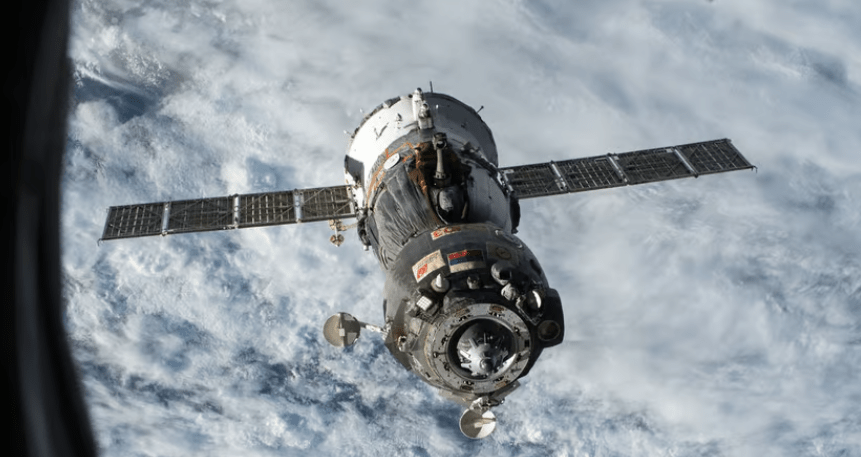
Image (Credit): A Russian Soyuz spacecraft outside the ISS. (NASA)

Well, the U.S. now has one space company with its manned spacecraft stranded at the International Space Station (ISS) while a second space company responsible for manned flights to the ISS has been grounded following a rocket mishap.

That’s right, while the Boeing Starliner awaits word on when it can return to Earth after it maiden flight, SpaceX just suffered a Falcon 9 rocket launch failure related to its Starlink program.

So where does this leave the ISS? Dependent on the Russians for manned flights to the ISS until the SpaceX problem can be investigated. Of course, SpaceX was also one solution for returning the Boeing crew to Earth if the Starliner problem could not be timely resolved. So much for that at the moment.

Both the Boeing and SpaceX issues could be resolved in the next few weeks, but this shows how quickly the situation can change on the ground and in space. While the Russians have certainly had their own issues with the Soyuz spacecraft as well, at least the men and women on the station have one option available to them.

Let’s hope Boeing gets its act together and the SpaceX mishap can be resolved quickly.

Movie: Fly Me to the Moon

Credit: Sony Pictures

This weekend you can see a space-related movie, but it is light fare that probably should have been released on Apple TV+.

Fly Me to the Moon is a romantic comedy centered on an Apollo 11 Moon mission starring Scarlett Johansson and Channing Tatum. All you need to know is shown in this trailer.

Dramatizing the Apollo 11 mission is fine, but the part of the story about trying to fake the Moon landing does not seem necessary, particularly nowadays when conspiracy kooks are around every corner.

The movie Capricorn One about a fake landing on Mars had a time and a place in a troubled America, but the use of a fake landing here is just a cheap stunt adding little value to the film.

Luckily, real life drama can be so much better than Hollywood drama. I think I will skip this movie and watch Apollo 13 again.

Space Quote: Europa Clipper Mission Faces New Radiation Risk

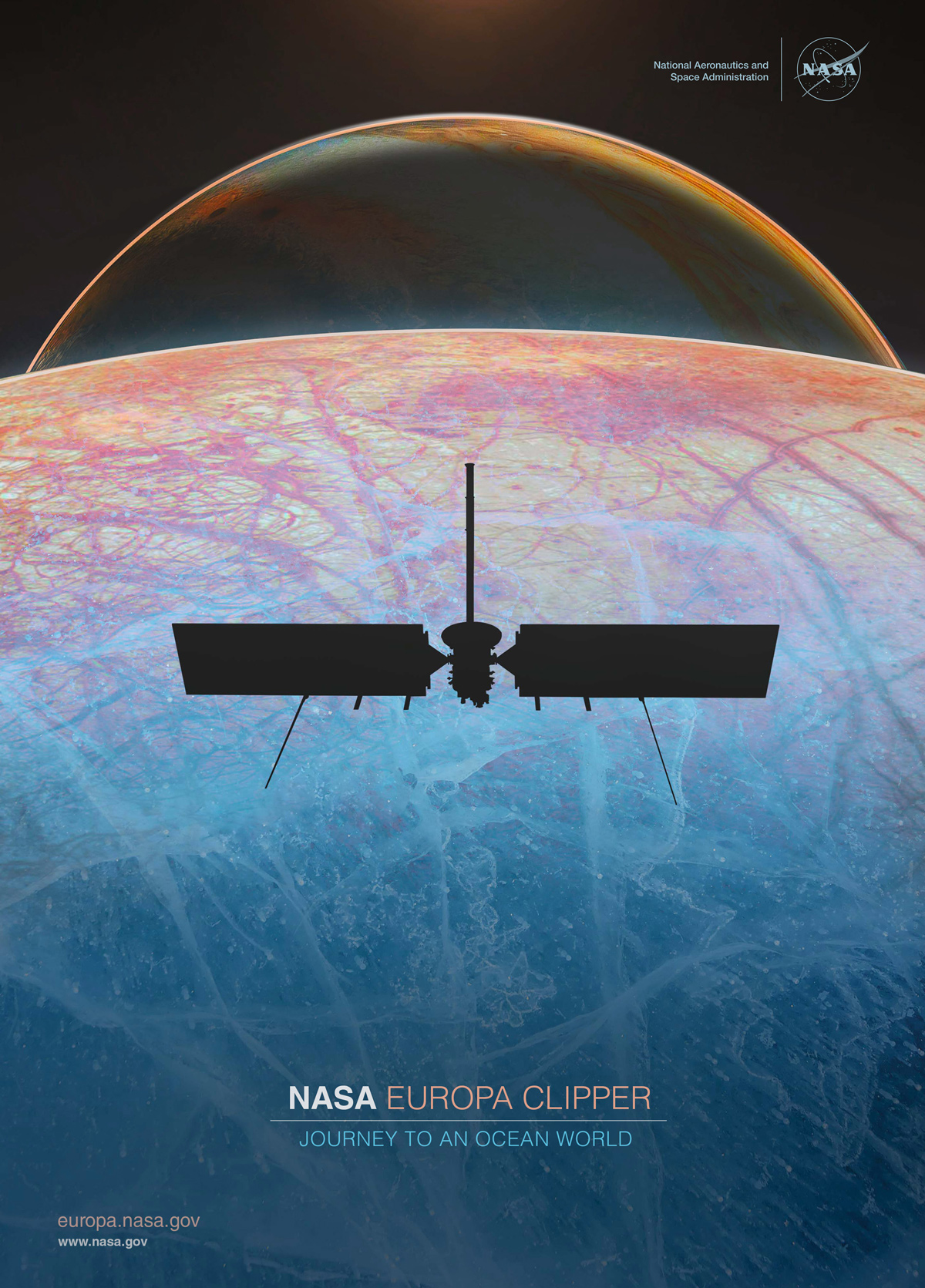
Image (Credit): NASA’s Europa Clipper poster. (NASA/ Jet Propulsion Laboratory-Caltech)

“Engineers with NASA’s Europa Clipper mission continue to conduct extensive testing of transistors that help control the flow of electricity on the spacecraft. NASA’s Jet Propulsion Laboratory in Southern California, which manages the mission, began the tests after learning that some of these parts may not withstand the radiation of the Jupiter system, which is the most intense radiation environment in the solar system.”

NASA statement from yesterday regarding potential issues with electrical switches on the Europa Clipper spacecraft that is set to launch in October. Whether this leads to a delayed launch of the mission or a less nimble mission has yet to be determined. The preliminary findings from the current testing are expected to be released later this month.

Pic of the Week: Omega Centauri

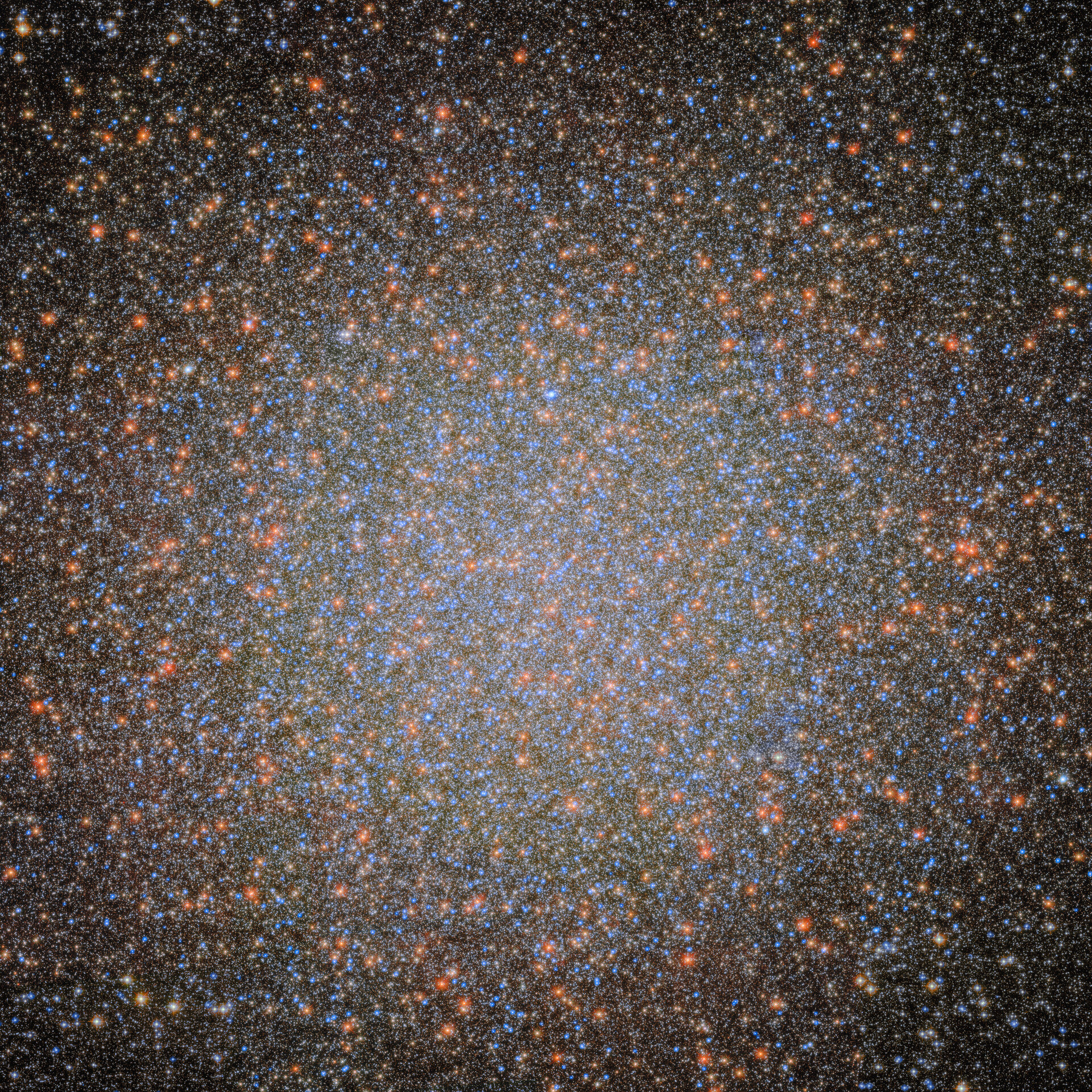
Image (Credit): Hubble Space Telescope’s view of Omega Centauri. (ESA/Hubble & NASA, M. Häberle)

The colorful image this week is from the Hubble Space Telescope. It shows the stars that make up Omega Centauri, a globular cluster one can view with the naked eye.

Here’s a little more about this image from the European Space Agency (ESA):

Omega Centauri is visible from Earth with the naked eye and is one of the favourite celestial objects for stargazers in the southern hemisphere. Although the cluster is 17 000 light-years away, lying just above the plane of the Milky Way, it appears almost as large as the full Moon when seen from a dark rural area. The exact classification of Omega Centauri has evolved through time, as our ability to study it has improved. It was first listed in Ptolemy’s catalogue nearly two thousand years ago as a single star. Edmond Halley reported it as a nebula in 1677, and in the 1830s the English astronomer John Herschel was the first to recognise it as a globular cluster. Omega Centauri consists of roughly 10 million stars that are gravitationally bound.

Astronomy Photographer of the Year 2024

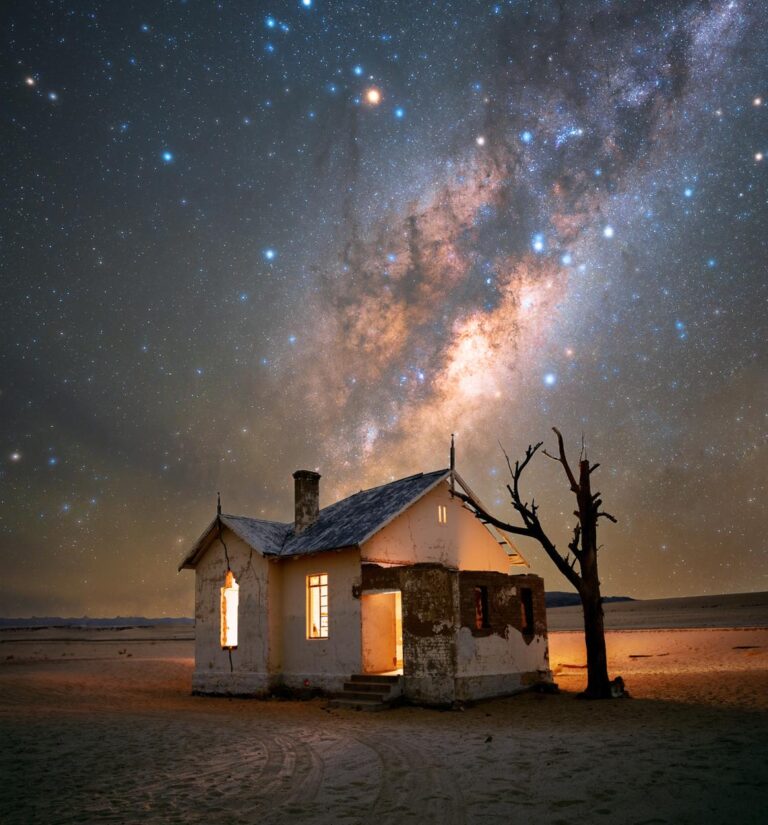
Image (Credit): Entry titled “Abandoned House.” ( Stefan Liebermann)

The Astronomy Photographer of the Year contest is underway again at the Royal Museums Greenwich. You can check out some of the shortlisted finalists for yourself to see if your idea of a winning photo matches up with the judges.

Here is a little more background on the photo above from the photographer:

In the middle of the Namib Desert you can find an abandoned house and, right above it, the Milky Way rises. I put some lights in the house, set up my star tracker and seized the opportunity. Through a veil of clouds, halos around the stars created a dream-like effect. The sky was captured with a star tracker to lower the ISO.

Check out the rest of them on your own.