What is Musk Up to in Ukraine?

Image (Credit): A starlink satellite dish. (Visitukraine.today)

Last year we learned that Elon Musk denied the Ukrainians access to Starlink when operating in the occupied portions of their country. He stated he did not want to be “complicit in a major act of war and conflict escalation.” And yet now we learn that Russia may be using Starlink in this same territory to illegally attack Ukraine, and Mr. Musk seems flustered and cannot seem to believe it is even possible.

It is unlikely that SpaceX is unable to determine where its equipment is being operated and whether it is being used by an invading party to suppress a sovereign nation. Mr. Musk has done a lot of good for Ukraine, yet his statements about Ukraine’s need to give up territory and now this kerfuffle seem to be part of his improper straying into world affairs that are not his affairs. Maybe it is time for the U.S. government to get involved if he is allowing an enemy to use his equipment to destroy a U.S. ally.

When asked about this Russian misuse issue, SpaceX stated:

If SpaceX obtains knowledge that a Starlink terminal is being used by a sanctioned or unauthorized party, we investigate the claim and take actions to deactivate the terminal if confirmed.

Let’s hope this is the case. It may not be an easy task to sort out the users if both Ukranian and Russian troops are operating in the same area, but it may be critical to the survival of Ukranian forces at a time that Washington is sitting on its hands and incapable of assisting Ukraine nor its NATO partners depending on such assistance.

These are bleak times for Ukraine. It would be unfortunate if all the good will Starlink has acquired is erased with this misdirection of company assets.

Note: Former Congressman Adam Kinzinger tweeted, “Why is @elonmusk shilling for Russia now> Why is he still a US govt contractor?” None of this is good for Musk, SpaceX, or America.

Update: Now we read that Elon Musk may be blocking Taiwan’s use of Starlink. I thought the US government was running Starlink under a separate program called Starshield. Mr. Musk really needs to be taken out of the equation.
Television: Constellation on Apple TV+

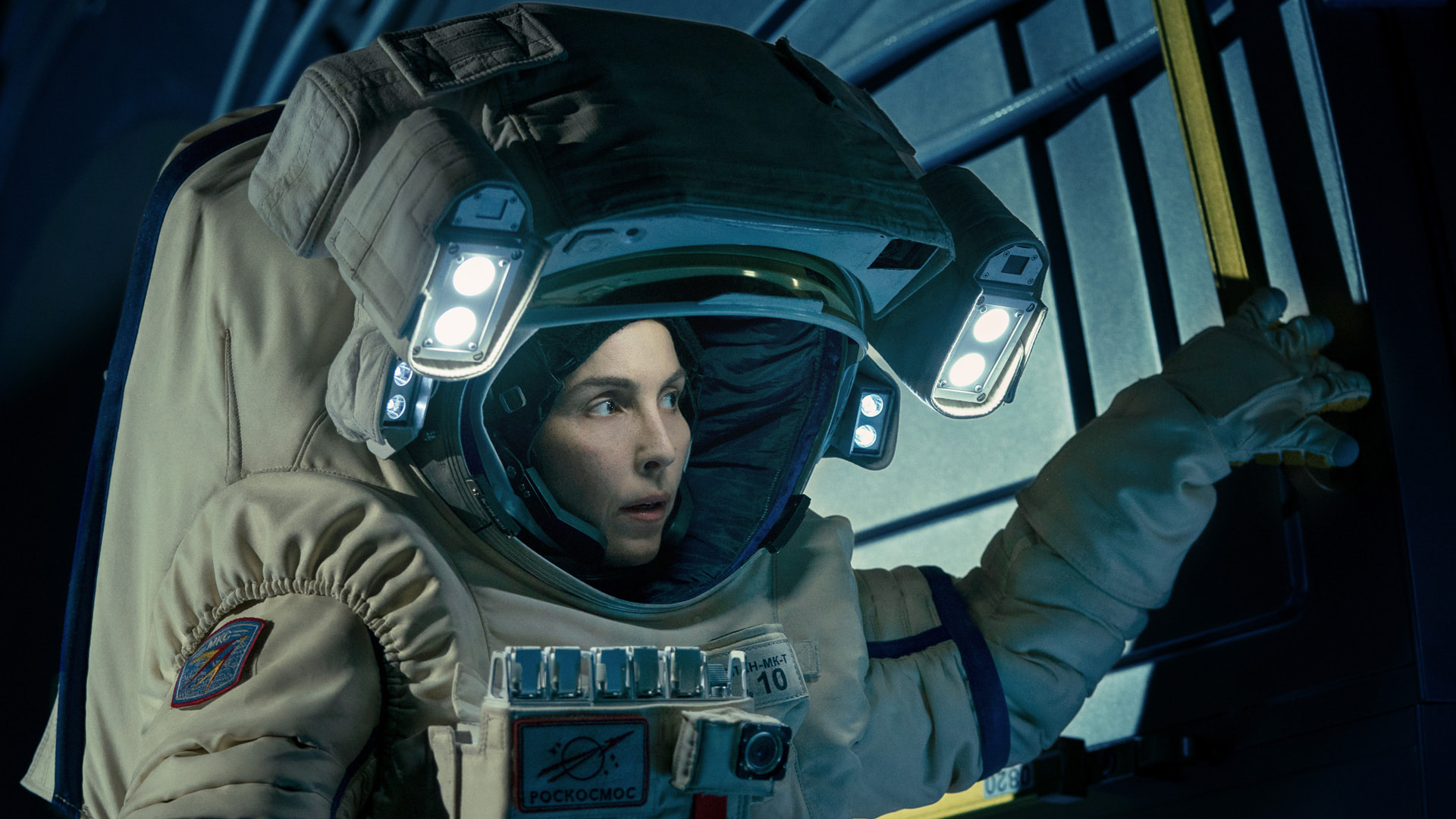
Image (Credit): Noomi Rapace in episode 1 of Constellation. (Apple TV+)

Apple TV+ has a new space station-related drama called Constellation premiering February 21. It sounds pretty eery, but at least this trauma is more at the personal level rather than the planetary level, compared to other recent space station stories.

Here’s the basic story from Apple TV+:

Constellation” stars Noomi Rapace as Jo — an astronaut who returns to Earth after a disaster in space — only to discover that key pieces of her life seem to be missing. The action-packed space adventure is an exploration of the dark edges of human psychology, and one woman’s desperate quest to expose the truth about the hidden history of space travel and recover all that she has lost.

You may remember Ms. Rapace from the film Prometheus, which was its own dark warning about the risks of leaving Earth. This may be just as dark. Watch the trailer as well and then decide for yourself.

It certainly is not a recruitment film for NASA, and space travel seems to be more of a device than the main plot, but I have been happy with Apple TV+ series in the past. So I will be watching this one.

Note: The Roger Ebert site has a lot more detail on the plot if you are interested. The site concludes:

Fans of the many quality science-fiction offerings on Apple TV+ will likely be satisfied by “Constellation.” It’s an interesting space drama with standout performances from its cast…But despite these moving performances, “Constellation” spends too much time floating aimlessly. The show likes to believe it’s clever, but the reality is that it often falls flat.

Space Quote: A New Threat to Astronauts

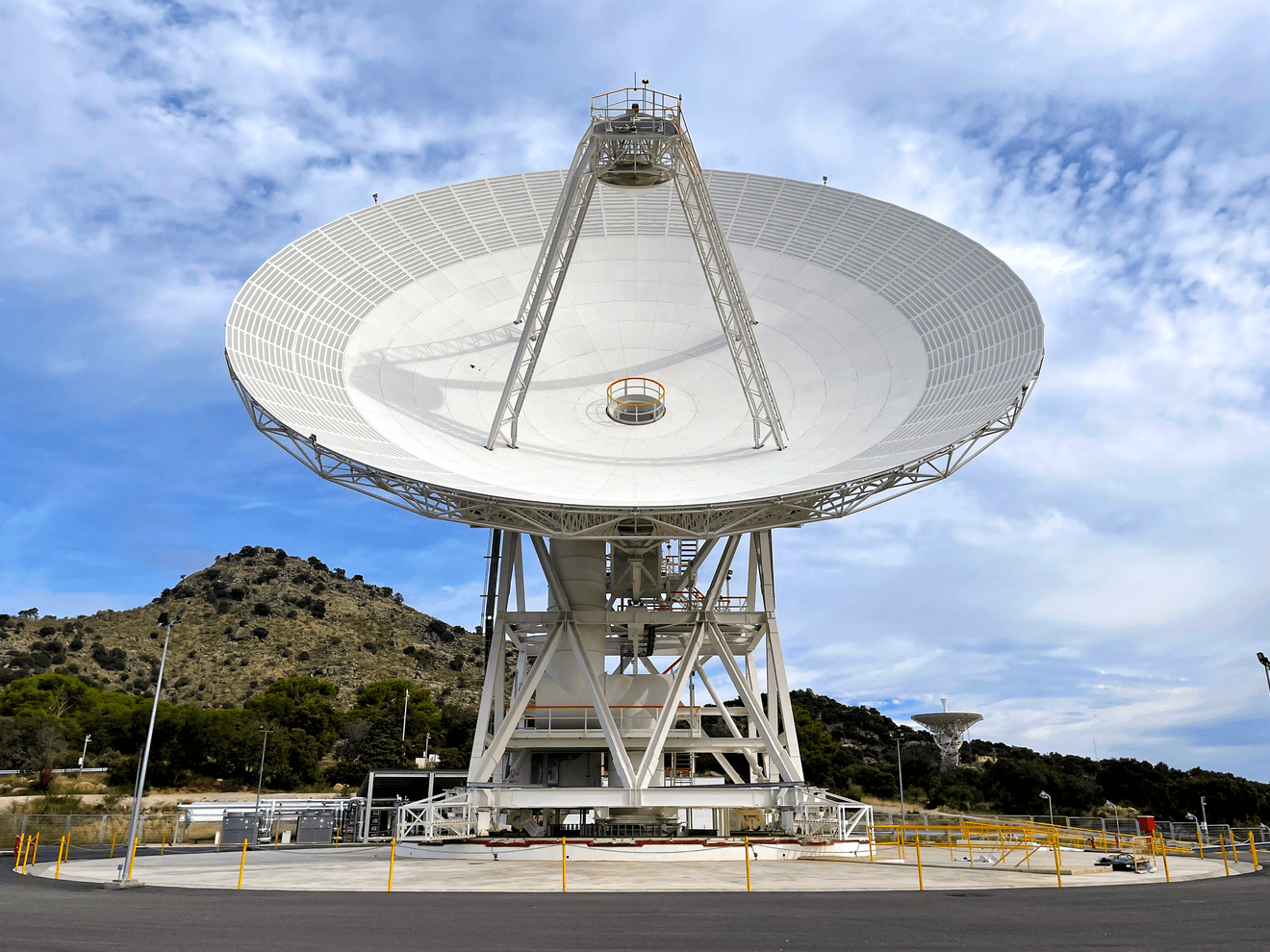
Image (Credit): The DSS-53 antenna at NASA’s Deep Space Network Madrid facility. (NASA/JPL-Caltech)

“And so, any capability that could disrupt that and that could therefore have some impact on services here on Earth and across the world should be of concern to anybody, I think. And including the fact that we have astronauts in — oftentimes in — in low orbit that — that could be at risk from an anti-satellite capability. So, you’re talking about potential human lives here too.”

-Statement during a press briefing by White House National Security Communications Advisor John Kirby regarding reports of a Russian nuclear anti-satellite weapon. Earlier in the week, Ohio Republican Rep. Mike Turner, who serves as the chairman of the House Intelligence Committee, shared sensitive information about this weapon with all Members of Congress.

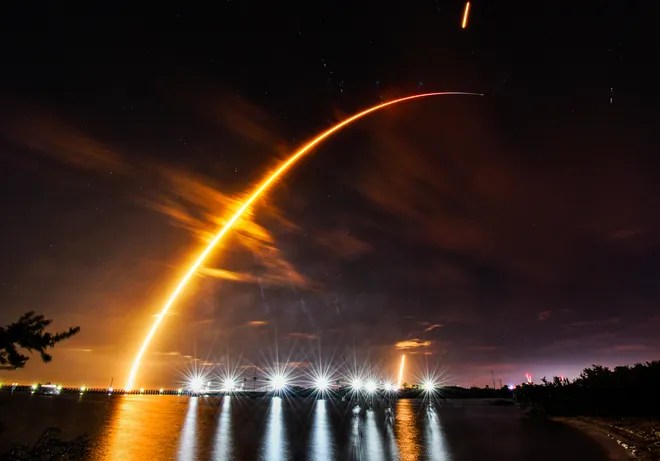
Pic of the Week: The Launch of the IM-1 Mission

Image (Credit): Today’s launch of the Intuitive Machines IM-1 mission from the Kennedy Space Center. (Malcolm Denemark/Florida Today)

This week’s image shows the early morning launch of Intuitive Machines’ IM-1 mission via a SpaceX Falcon 9 rocket. The rocket carries the Nova-C robotic lander, also called “Odysseus,” that includes both NASA and commercial payloads. If all goes well, the lander will be on the surface of the moon next week.

This image from Florida Today is unique in that it is a time exposure showing both the launch from the Kennedy Space Center as well as the booster landing shortly afterward.

Credit: Intuitive Machines

All Eyes on the Next Moon Mission

Image (Credit): Intuitive Machines IM-1 mission on the launch pad at NASA’s Kennedy Space Center in Florida. (SpaceX)

The second NASA-related commercial Moon mission was set to launch earlier today, but SpaceX called it off at the last moment due to a methane issue with its Falcon 9 rocket. SpaceX is expected to try the launch tomorrow.

The launch of the Intuitive Machines IM-1 mission is related to NASA’s Commercial Lunar Payload Services (CLPS) initiative, and will serve as one of the first lunar-based pieces of the Artemis program.

In terms of the main mission, NASA noted:

Intuitive Machines’ Nova-C lander is expected to land on the Moon Thursday, Feb. 22. Among the items on its lander, the IM-1 mission will carry NASA science and technology instruments focusing on plume-surface interactions, space weather/lunar surface interactions, radio astronomy, precision landing technologies, and a communication and navigation node for future autonomous navigation technologies.

The Moon mission that failed last month was also part of NASA’s CLPS initiative. This program is off to a slow start, but hopefully it can be relied on to be a key component of the lunar space program going forward.

If you are looking for some good news, I can report that Russia’s Progress MS-26 International Space Station resupply mission successfully launched earlier today.