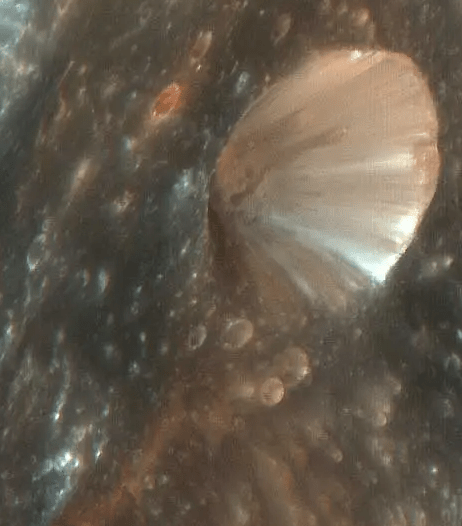
Take a look at the image above. Can you determine where this image originated? Take a guess and then check your answer by going to the “Where is This? The Answer Sheet” page.

Take a look at the image above. Can you determine where this image originated? Take a guess and then check your answer by going to the “Where is This? The Answer Sheet” page.
Here are some recent stories of interest.
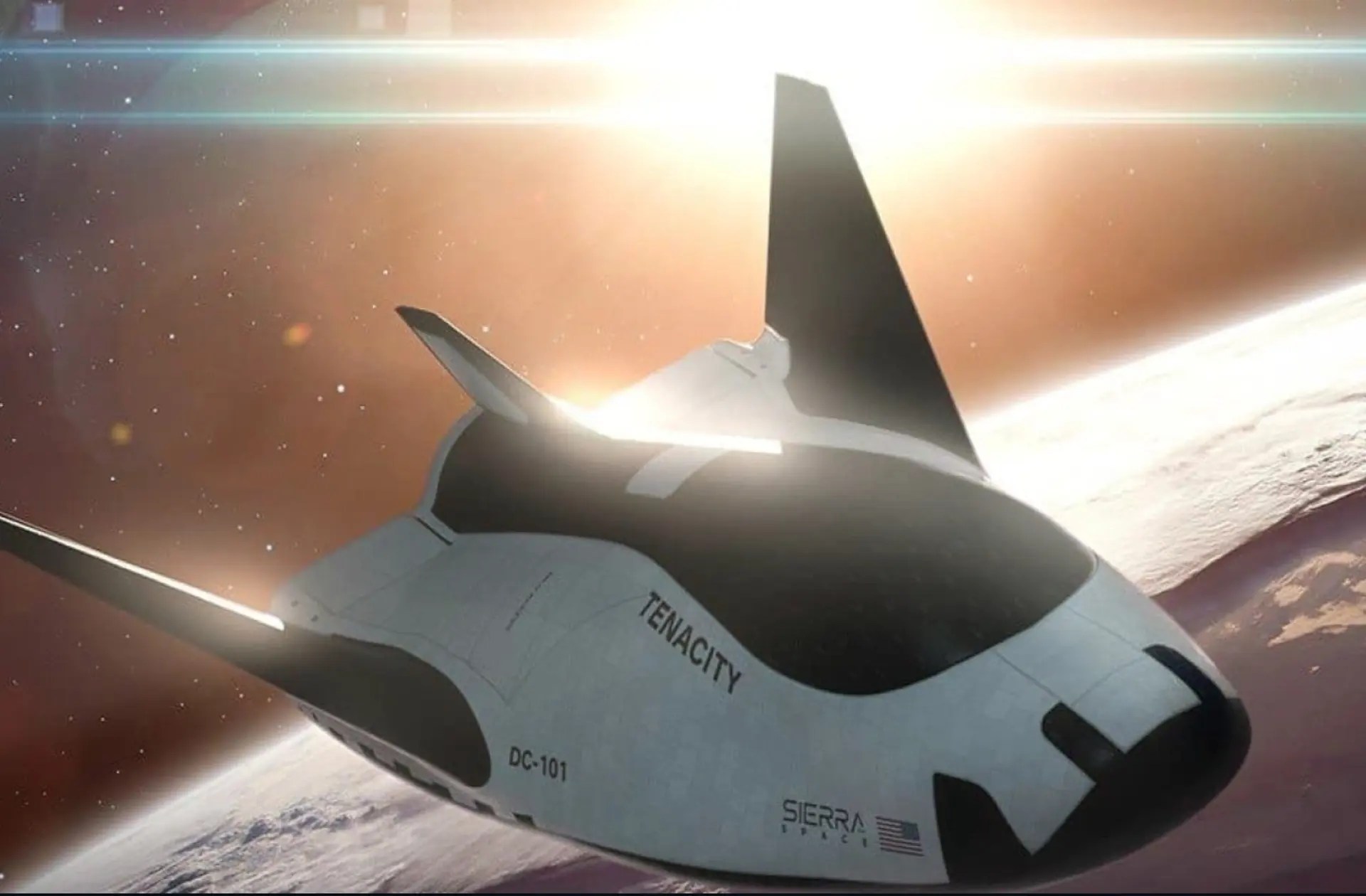
—New Atlas: “World’s First Commercial Spaceplane in Final Stages Before Debut ISS Flight“
The world’s first winged commercial spaceplane has arrived at NASA’s Kennedy Space Center in Florida, its final destination before its first mission to the International Space Station (ISS) later this year. Following rigorous testing at Ohio’s Neil Armstrong Test Facility, the Dream Chaser DC-100 spaceplane named Tenacity got the green light to commence final pre-launch preparations, such as finishing its thermal protection system and payload integration, before it hitches a ride on a United Launch Alliance (ULA) Vulcan rocket to deliver 7,800 pounds (3,540 kg) of food, water and science experiments to the ISS.
—MIT Technology Review: “Astronomers are Enlisting AI to Prepare for a Data Downpour“
In deserts across Australia and South Africa, astronomers are planting forests of metallic detectors that will together scour the cosmos for radio signals. When it boots up in five years or so, the Square Kilometer Array Observatory will look for new information about the universe’s first stars and the different stages of galactic evolution. But after syncing hundreds of thousands of dishes and antennas, astronomers will quickly face a new challenge: combing through some 300 petabytes of cosmological data a year—enough to fill a million laptops…In preparation for the information deluge, astronomers are turning to AI for assistance, optimizing algorithms to pick out patterns in large and notoriously finicky data sets. Some are now working to establish institutes dedicated to marrying the fields of computer science and astronomy—and grappling with the terms of the new partnership.
—BBC Sky at Night: “Earth’s Water is Even Older Than the Sun, Having Formed Billions of Years Ago, Say Astronomers“
How old is Earth’s water? Could it be older even than the planet itself? A team of astronomers say they’ve found the “missing link” that shows how water is delivered from gaseous star-forming regions in space to planets like Earth. The research suggests that Earth’s water is even older than the Sun. The news comes as a result of studies of a dusty planet-forming disc surrounding a star 1,300 lightyears from Earth
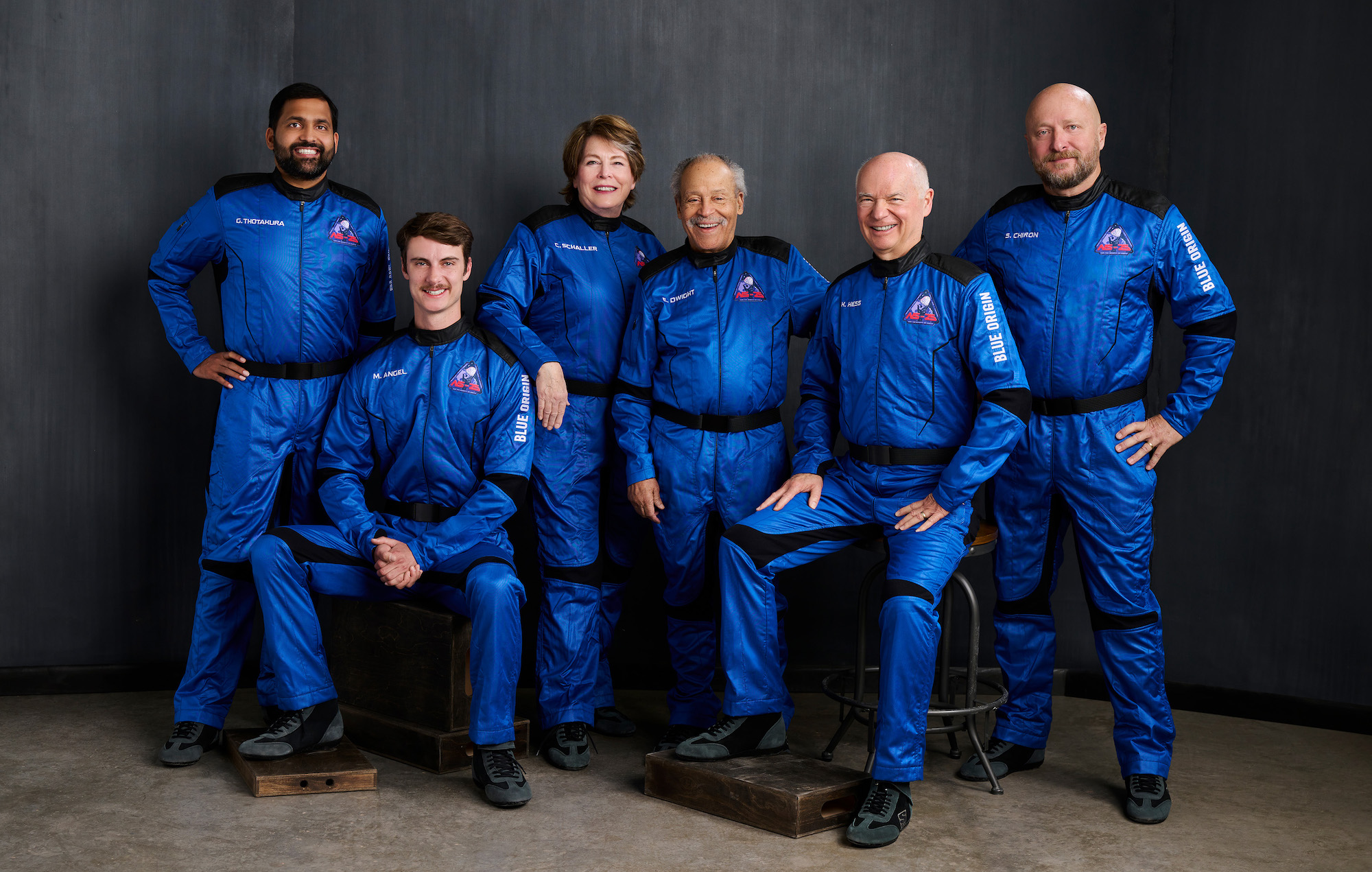
It has been some time, but Blue Origin is once again bringing tourists into space. Yesterday’s launch from Texas included five passengers and the pilot.
One of the passengers on the New Shepard rocket was former Air Force Captain Ed Dwight. Mr. Dwight was one of the nation’s first Black astronaut candidate, though he never had the opportunity to fly until yesterday. He was also the oldest person to go into space, beating Star Trek’s William Shatner’s age by a few months. After the flight, Mr. Dwight stated, “I thought I really didn’t need this in my life, but now I need it in my life.”
If you are interested in taking such a flight, just visit this Blue Origin link for more information. The site points out that you only need two days to prepare for a flight:
Our on-site astronaut training program is meticulously designed to teach everything you’ll need to know for a safe spaceflight. Over two days, you’ll learn about New Shepard’s mission profile, safety systems, zero-g protocols, and execute mission simulations.
While I am sure plenty of people are happy that this part of the commercial space industry is operational again, I am looking forward to more commercial success with the resupply of the International Space Station, particularly the upcoming launch of the Boeing Starliner.
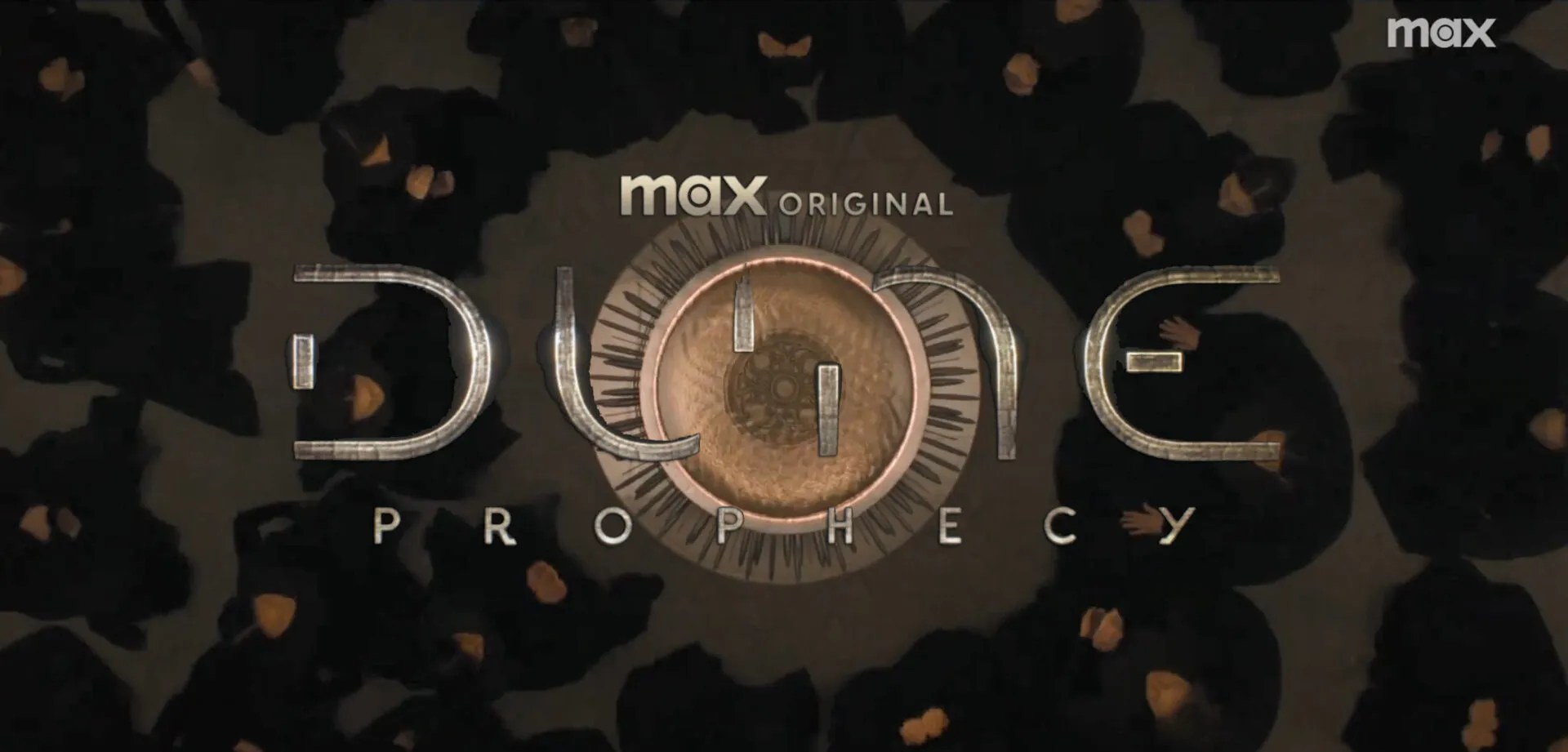
You knew it was coming, just as you knew Game of Thrones would be more than a single series.
That’s right, the Dune movies will have a new spin-off on Max (formerly HBO Max). It is called Dune Prophecy, and it starts long before the time period of the movies. About 10,000 years earlier when two sisters start the Bene Gesserit.
It is inspired by the book Sisterhood of Dune, written by Brian Herbert and Kevin J. Anderson. The trailer tells you what you need to know, yet here is a little bit from the book if you want to dig a little deeper:
It is 83 years after the last thinking machines were destroyed in the Battle of Corrin, after Faykan Butler took the name of Corrino and established himself as the first Emperor of a new Imperium.
The war hero Vorian Atreides has turned his back on politics and Salusa Secundus. The descendants of the disgraced Abulurd Harkonnen have sworn vengeance against Vor, blaming him for the downfall of their noble family.
Raquella Berto-Anirul has formed the Bene Gesserit School and, through a terrible ordeal, has become the first Reverend Mother.
The descendants of Aurelius Venport and Norma Cenva use mutated, spice-saturated Navigators who fly precursors of Heighliners.
And Gilbertus Albans, ward of the hated thinking machine Erasmus, is teaching humans to become Mentats…while hiding an unbelievable secret.
Led by the fanatic Manford Torondo, the Butlerian movement, fiercely opposed to all forms of “dangerous technology,” sweeps across the known universe in mobs, millions strong, destroying everything in its path.
The 6-episode series will premiere this fall.

“Musk has taken on the role of apologist for indicted war criminal Vladimir Putin. “There is no way in hell that Putin is going to lose,” Musk said during an audio event on X. Musk called on social media followers to lobby the Senate not to pass an aid package for Ukraine. Further, Musk is actively working to thwart US foreign policy. Musk is certainly entitled to voice his opinions. However, he is not authorized to conduct foreign policy with FCC issued licenses. This is especially true when his use of those licenses supports the military of a foreign power that is actively engaged in an illegal war and has engaged in countless war crimes including routinely targeting hospitals, schools, and apartment buildings. Musk’s company is licensed to serve the public interest, convenience, and necessity. Musk cannot use FCC licenses to militarily aid Russia, a state that is subject to U.S. sanctions. Musk’s repeated abuse of the Starlink system has placed these licenses in jeopardy.”
-Portion of the Ukrainian Congress Committee of America’s (UCCA) filing with the Federal Communications Commission on April 24, 2024. The UCCA represents four fraternal organizations – the Ukrainian National Association, the Ukrainian Workingmen’s Association, the Providence Association of Ukrainian Catholics, and the Ukrainian National Aid Association.

