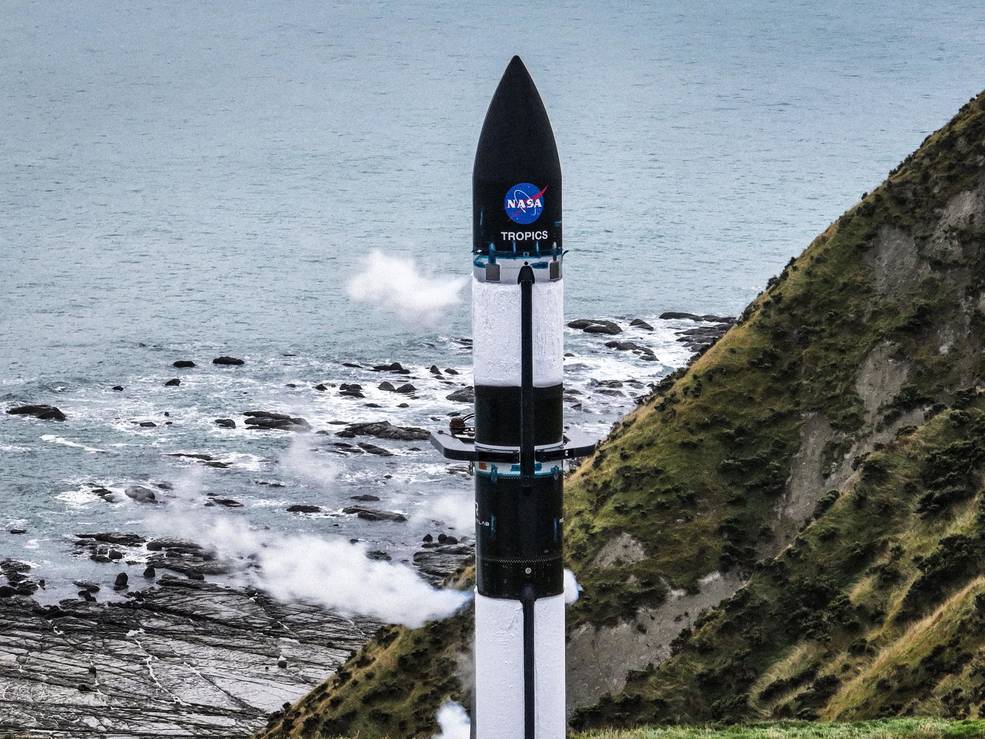
Image (Credit): Rocket Lab’s Electron rocket at Launch Complex 1 in Mahia, New Zealand. (NASA)
On Sunday, the TROPICS mission was successfully launched after an earlier delay. The Rocket Lab Electron launch took place in New Zealand and involved two small CubeSats tasked with monitoring deadly storms. This is the first pair to be launched, with a total of four satellites planned to accomplish the TROPICS mission.
And yes, TROPICS is an acronym (fortunately) for Time-Resolved Observations of Precipitation structure and storm Intensity with a Constellation of Smallsats. And you thought the Congress was going crazy with its acronyms for legislation.
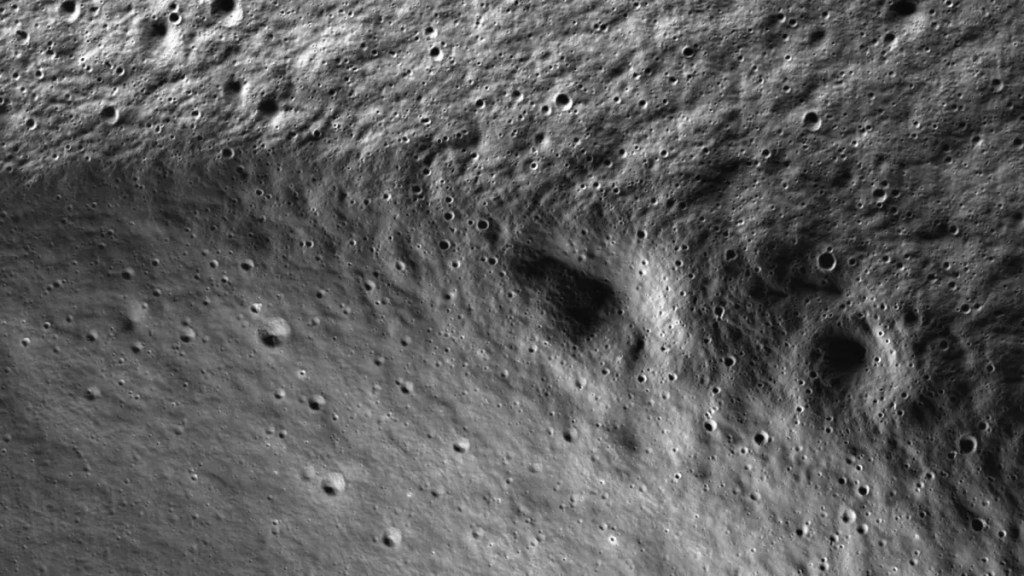
Take a look at the image above. Can you determine where this image originated? Take a guess and then check your answer by going to the “Where is This? The Answer Sheet” page.
The harm from the full launches will undoubtedly be greater than what was disclosed to the public. These damages may show up as shattered windows and the corpses of hundreds of dead shorebirds; immediate and obvious. Or they may not be entirely clear until years from now when SpaceX eventually closes shop on the Texas coast for greener pastures. The scars on the land, the people, and the wildlife won’t just disappear. They’ll linger, and hopefully, by then people will be willing to listen to the story.
He was right on the mark considering the mess left behind by the Starship after its test launch. While Elon Musk wanted to downplay the damage, the launch debris has led to a lawsuit against the Federal Aviation Administration (FAA) for allowing the launch to take place at all. The issue seems to be an FAA that probably trusted SpaceX too much on the Texas launch facility, which was initially procured for the smaller Falcon 9 rocket launches rather than the Starship monster that is tearing up the pad.
This is not good for SpaceX, nor is it good for the commercial space industry. Mr. Musk has already caused enough problems in other industries without tarnishing the commercial space industry with a “devil may care” attitude.
As the podcast story notes, he stands to divide the public on space programs. The choice does not need to be protecting the environment or traveling to space. We can do both, and we need some grown-ups at SpaceX to understand this.
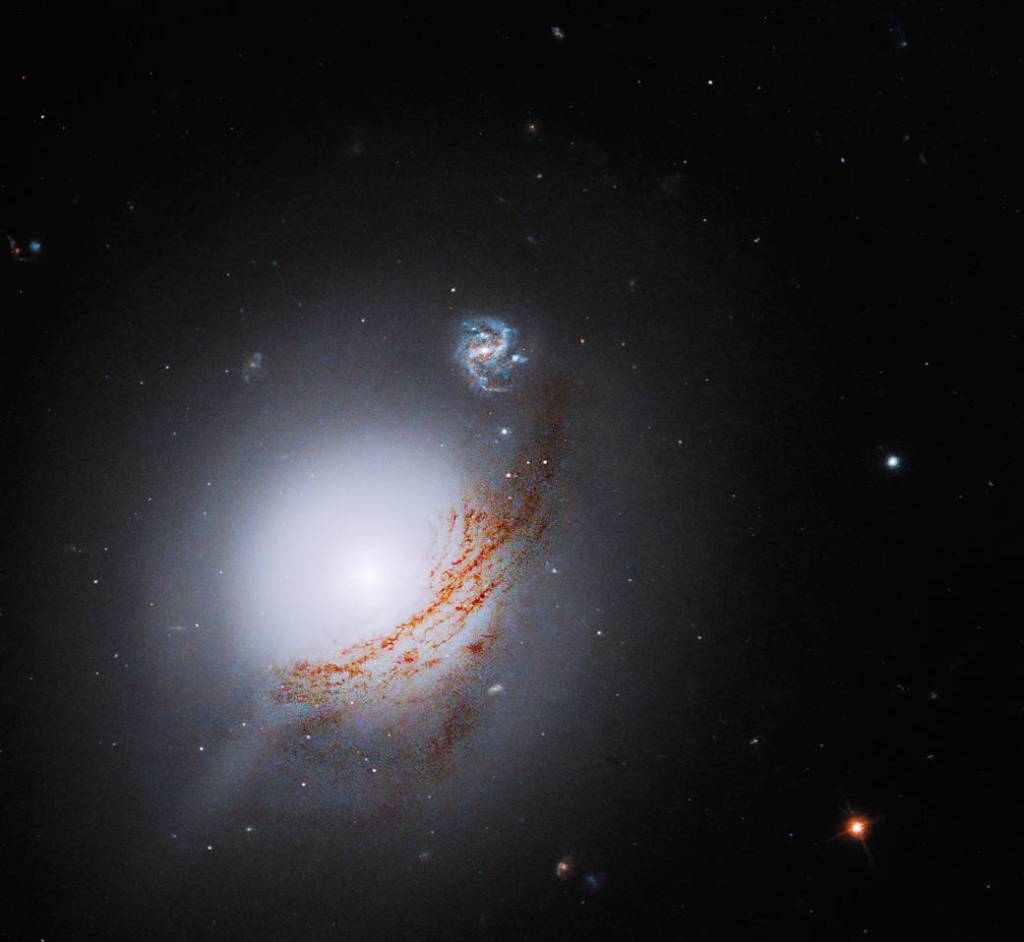
Image (Credit): NGC 5283, as captured by the Hubble Space Telescope, with its active galactic nucleus, which is at the heart of a galaxy where a supermassive black hole exists. (NASA, ESA, A. Barth (University of California – Irvine), and M. Revalski (STScI); Processing: Gladys Kober (NASA/Catholic University of America)
Yes, I know. This is too many celebrations over an eight-day period, starting with Astronomy Day last Saturday. But who cannot be excited by Black Hole Week?
If you missed the various NASA-sponsored events over the past week, you can find them here.
Check out the presentation of the largest black holes from Monday’s presentation. It puts it all into very scary perspective.
And you can learn plenty more about black holes by visiting this NASA page.
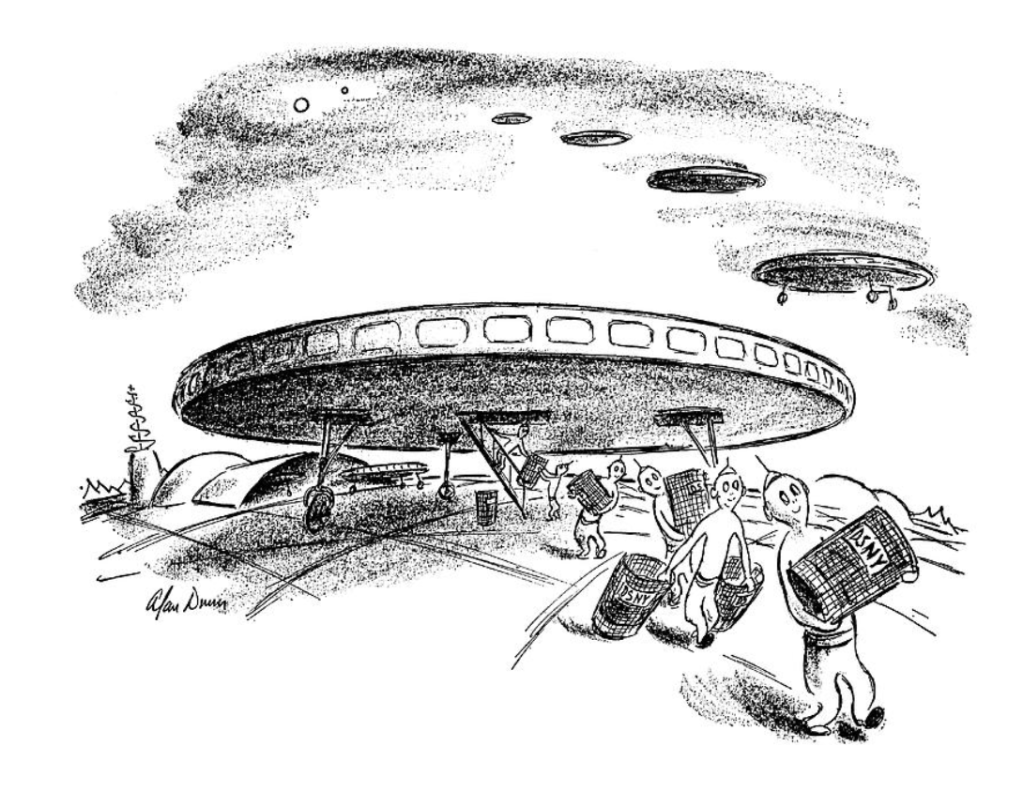
A recent video from the YouTube channel Cool Worlds titled “The Fermi Paradox Has An Incredibly Simple Solution” is a fun review of the Fermi Paradox, which asks “Where are they?” in reference to alien visitors. The video goes into the meaning of the question as well as possible interpretations of the paradox itself.
Professor David Kipping from the Department of Astronomy at Columbia University does a nice job of explaining some of the “answers” to the so-called paradox, and even introduces one of his own called the “Weak Anthropic Principle.” I do not want to spoil the story, so I recommend you view the short video on your own. It is enlightening.
The scariest bit of the presentation involves “self-replicating universal constructors” that could colonize the galaxy with present-day rocket technology. Moreover, such constructors may be in development by businesses today with programs such as ChatGPT, as warned by many parties today. Under this scenario, the colonization of our galaxy would start in a Microsoft or Google lab, with humans playing no part in that eventual future because we will not be needed.
Sweet dreams as you ponder that.
Check out the Cool Worlds YouTube page for other fascinating videos.
Note: The creators of the YouTube channel Cool Worlds is also planning a podcast in the near future. That should be a nice addition to the group’s educational material.