What are NASA’s Plans for Starliner?

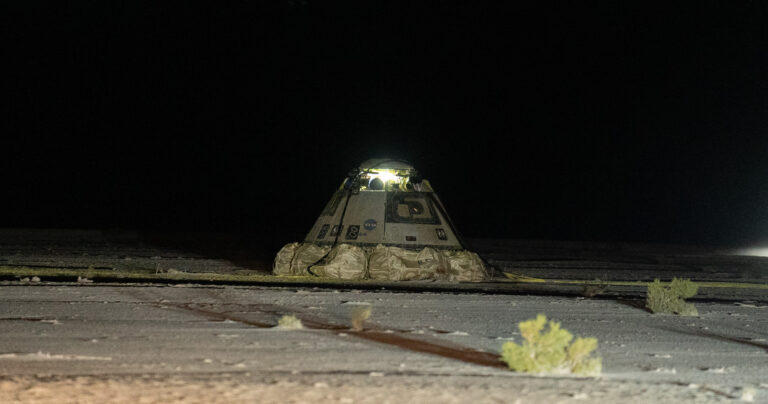
Image (Credit): Boeing’s Starliner safely on the ground last September after returning from the ISS without its crew. (Boeing)

It was this time last year – June 5th to be exact – that Boeing’s Starliner spacecraft was launched aboard a United Launch Alliance Atlas V rocket towards the International Space Station (ISS). Hopes were high, but then things started to unravel.

So where do things stand now, particularly with the new concerns about SpaceX?

NASA is saying very little. A USA Today story from last week stated the newspaper was told that NASA

…is assessing the earliest potential for a Starliner flight to the International Space Station in early 2026.

Boeing is staying pretty quiet on its Starliner mission update website. It has not posted anything on this page since September 7, 2024.

NASA was a little more open about events back in March, posting that the crew certification of the Starliner system was still underway, and stating:

Our investment in commercial crew transportation capabilities is providing the needed flexibility to operate in space as safely as possible and respond to changes quickly when they arise. NASA is seeing the commitment from Boeing to adding the Starliner system to the nation’s crew transportation base.

We may need a few more statements from NASA addressing this “needed flexibility,” while also offering up alternatives to the SpaceX monopoly. That is, an alternative that does not include the Russians saving us, though it could come to that in an emergency.

Giving Everything to SpaceX is Risky? Who Knew?

Credit: Image by David Stephanus from Pixabay.

According to the Washington Post, the leaders at NASA and the Department of Defense (DOD) have finally figured out that Mr. Musk is a potential threat to our space program and national security. Now where did they get that idea?

The newspaper stated:

NASA and Pentagon officials moved swiftly this past week to urge competitors to Elon Musk’s SpaceX to more quickly develop alternative rockets and spacecraft after President Donald Trump threatened to cancel Space X’s contracts and Musk’s defiant response.

Why did it take so long? And maybe instead of nagging SpaceX’s competitors, NASA and the DOD need to do more.

Boeing’s Starliner may need some propping up at the moment as an alternative to getting humans to the International Space Station (ISS), and other parties that can assist with the ISS and military satellite launches may need help as well.

Such careful planning should have been done long ago. Compromising NASA is one thing, but putting our nation’s defense in the hands of one unreliable man was foolish from the start. David killed the Goliath represented by the large aerospace companies, but now David has gone mad. Great plan, everyone.

It may be time to consider nationalizing SpaceX if it become an Achilles heel to our nation, particularly if Mr. Musk decides to take all of his marbles and go home (or simply loses all of his marbles).

This reminds me of Russia where President Putin put so much power into the hands of one of his warlords only to see that warlord turn his weapons on Moscow.

I expect things will settle down, but the risk remains. It is time for NASA and DOD to make some clear plans to expand the procurement base and rapidly fund alternatives to SpaceX.

As far as the future of NASA, which is the focus of this website, this is another wrench in the machinery. The White House budget already guts much of NASA’s programs, leaving most of the focus on Artemis, which needs a SpaceX Human Landing System, and Mars, which has been pushed to the front of the line only because of Musk’s influence at the White House.

So now what?

It seems Mr. Musk is not the only party undergoing a rapid unscheduled disassembly.

Space Quote: Japanese Lunar Lander Fails a Second Time

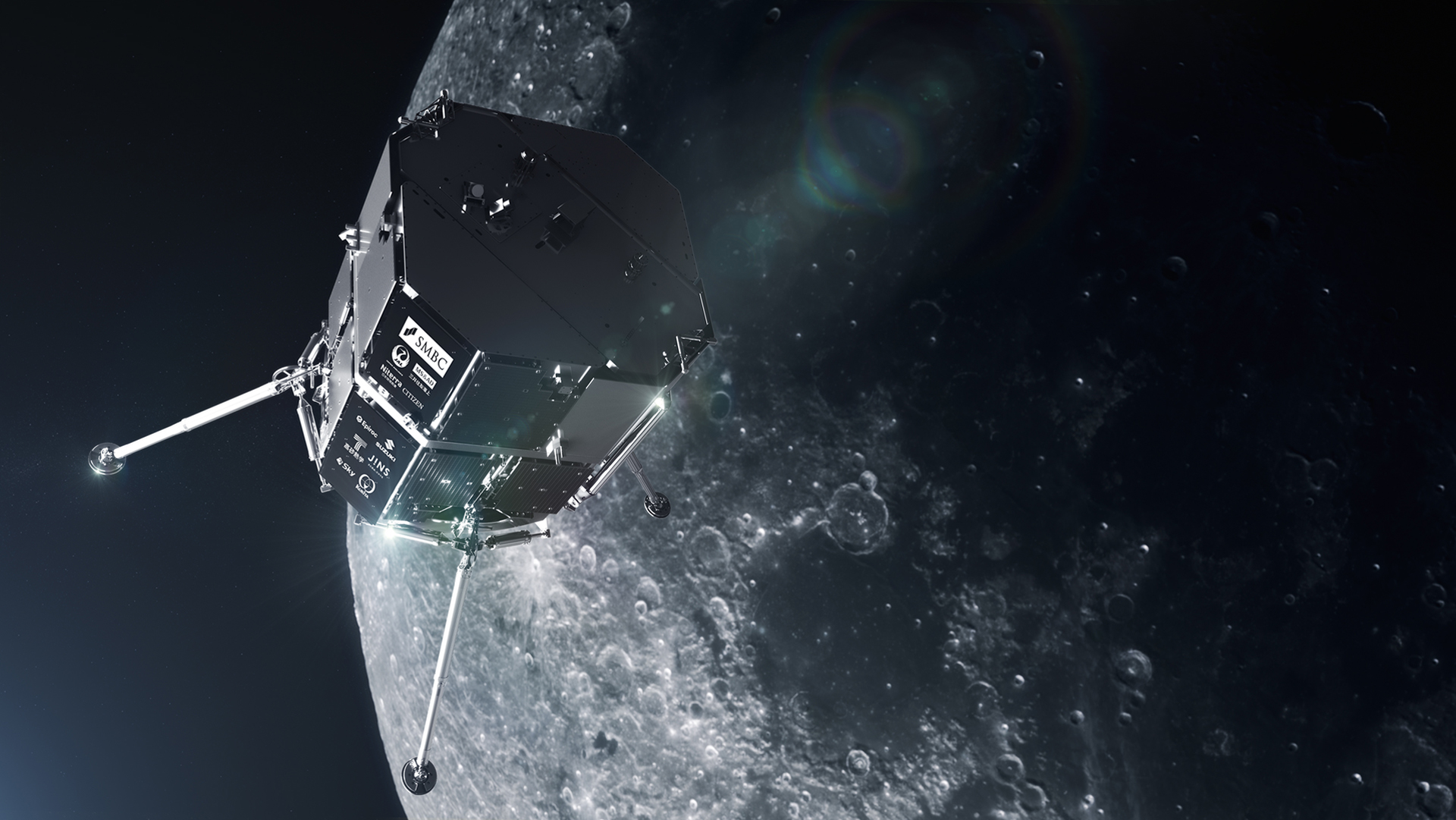
Image (Credit): Artist’s rendering of the Resilience lunar lander approaching the moon. (ispace)

“Given that there is currently no prospect of a successful lunar landing, our top priority is to swiftly analyze the telemetry data we have obtained thus far and work diligently to identify the cause.”

-Statement by Takeshi Hakamada, CEO and founder of Japan’s private space company ispace, in a press release following the failure of the company’s second lunar lander mission to the Moon. The company noted that the lander experienced a “hard landing” when it failed to sufficiently decrease its speed on approach. The mission started back in January when a SpaceX Falcon 9 rocket carried both this mission as well as Firefly Aerospace’s Blue Ghost, which had a successful landing on the lunar surface. The ispace lander was named Resilience – something it will need more of to stay in the space race.

Pic of the Week: The Last SpaceX Dragon Approaching the ISS?

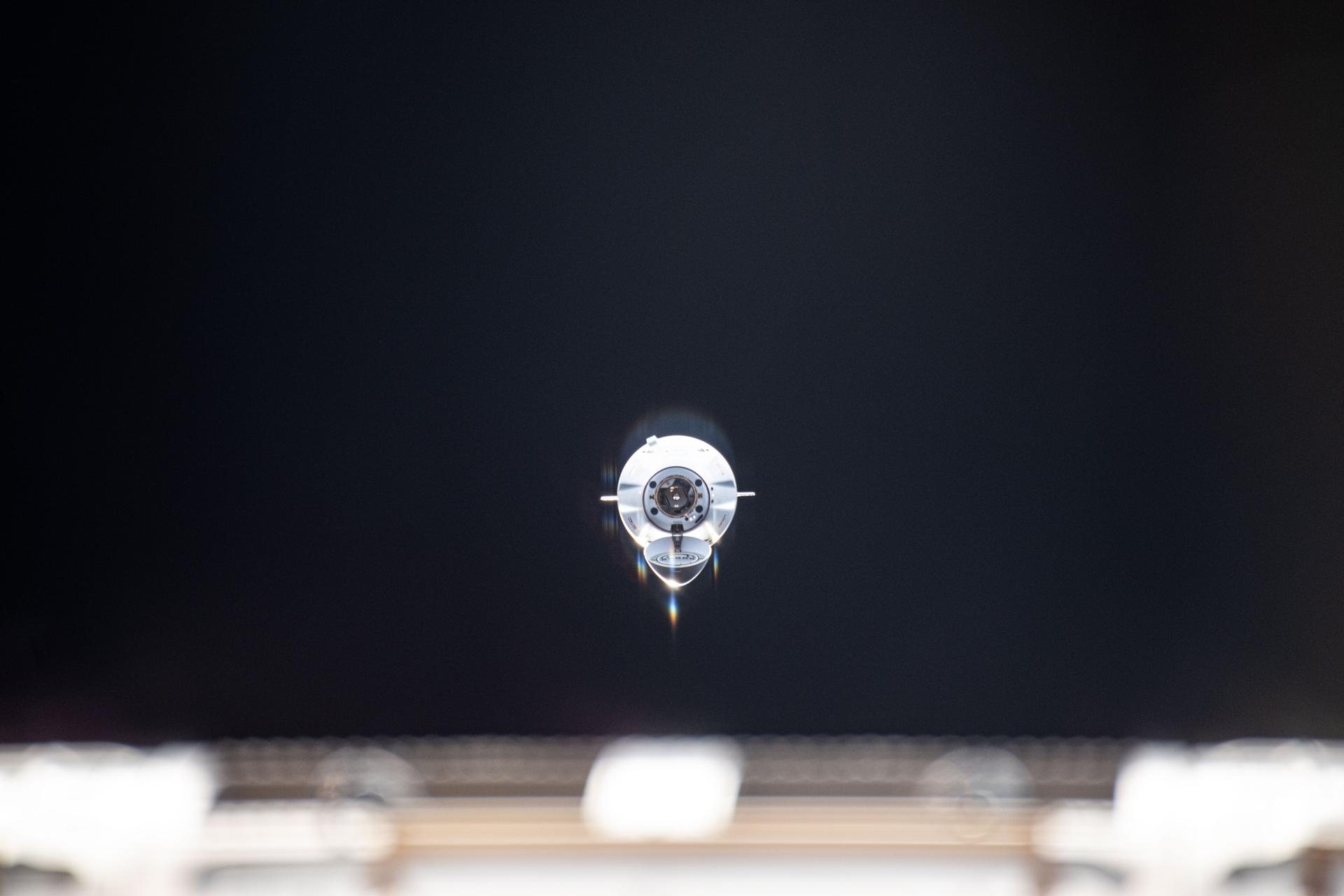
Image (Credit): The SpaceX Dragon cargo craft, nosecone open, preparing to dock with the ISS on April 22, 2025. (NASA)

This week’s image shows the latest, but hopefully not last, docking of the SpaceX Dragon with the International Space Station (ISS) back in April.

Future flights of the Dragon to the ISS are now in question due to an ongoing feud between Elon Musk and Donald Trump, presumably over a bloated House budget bill. However, the issues also involve budget bill cuts to EV programs, the dropping of Musk’s friend as NASA administrator, and Musk’s departure from Washington after a less than sensational attempt to cut government programs.

In a tweet earlier today, Musk stated:

In light of the President’s statement about cancellation of my government contracts, @SpaceX will begin decommissioning its Dragon spacecraft immediately.

Oh yeah, Trump also threatened to end all SpaceX contracts, so I guess the Dragon would go anyway.

This is serious stuff, particularly after Musk and Trump attached Boeing earlier this year for “abandoning NASA astronauts on the ISS,” which was not true. Who is doing the abandoning now?

It appears Musk is already backing down, but the damage is done. He is demonstrating how NASA’s programs are under the control of this one, erratic man. Can things really go back to normal?

Stay tuned for more. I really just wanted to post a pic, but I had to say more today.

Space Stories: Dozens of Space Missions Cancelled, NASA Climate Cuts Impact Industry, and Budget Cuts Hurt Huntsville

Credit: Image by Mohamed Hassan from Pixabay.

Here are some recent stories about the planned budget cuts at NASA.

USA Today: Dozens of NASA space missions could be axed under Trump’s budget: Here’s a look at 6

A total of 41 science projects would get the ax under the proposal, which would be NASA’s biggest single-year cut in the agency’s history, according to the Planetary Society. Many of the science missions President Donald Trump looks to cancel are still in development, while others are extended operations with uncrewed vehicles already deployed to orbit. Here’s a look at six different types of space missions, from Mars exploration to future moon landings, that could be under threat if Trump’s budget were to go into effect.

Politico: The Domino Effect of Trump’s NASA Climate Cuts

President Donald Trump wants to decimate NASA’s climate research capacity. That could ultimately disrupt multiple sectors of the economy, writes Scott Waldman. In the White House budget documents released last week, Trump proposed slashing a quarter of NASA’s funding, specifically targeting the agency’s research on climate change. But many of NASA’s instruments that track human-caused climate change provide other critical data. The agriculture industry, for example, relies on satellites and instruments that not only track climate change but also keep tabs on shifts in climatic zones that affect plant growth. Trump wants to eliminate funding that keeps those tools operational.

Advance Local: Trump’s Budget Puts Huntsville-made Spacecraft on the Chopping Block

NASA is being directed to phase out multibillion-dollar programs, managed from its flagship center in Huntsville, that are designed to ferry people to and from the moon…Eliminating SLS and Orion will, “[pave] the way for more cost-effective, next-generation commercial systems that will support subsequent NASA lunar missions,” according to budget documents. Both are key programs for Marshall Space Flight Center, one of the largest of NASA’s 10 field centers, which employs nearly 7,000 federal workers and contractors in Huntsville and manages a multibillion-dollar budget related to human spaceflight.