Image (Source): View of the Pacific from the ISS. More information provided below. (NASA)
This week’s image is from the International Space Station (ISS). It shows an October 1, 2022 photo of European Space Agency (ESA) astronaut Samantha Cristoforetti enjoying a view of the Pacific Ocean off the coast of Peru. She is sitting in the ISS’s so called “window to the world.” You can learn more about photo’s taken from this window via this short NASA video.
Image (Credit): Status of Tropical Storm Nicole on Thursday morning. (The National Hurricane Center)
Florida does have its issues this time of year (and I don’t mean elections), making rocket launches more difficult. Now Tropical Storm Nicole is battering the state, leading to a delay in the upcoming Artemis I launch. The new launch date is November 16, as noted on NASA’s latest Artemis blog:
NASA is continuing to monitor Tropical Storm Nicole and has decided to re-target a launch for the Artemis I mission for Wednesday, Nov. 16, pending safe conditions for employees to return to work, as well as inspections after the storm has passed. Adjusting the target launch date will allow the workforce to tend to the needs of their families and homes, and provide sufficient logistical time to get back into launch status following the storm.
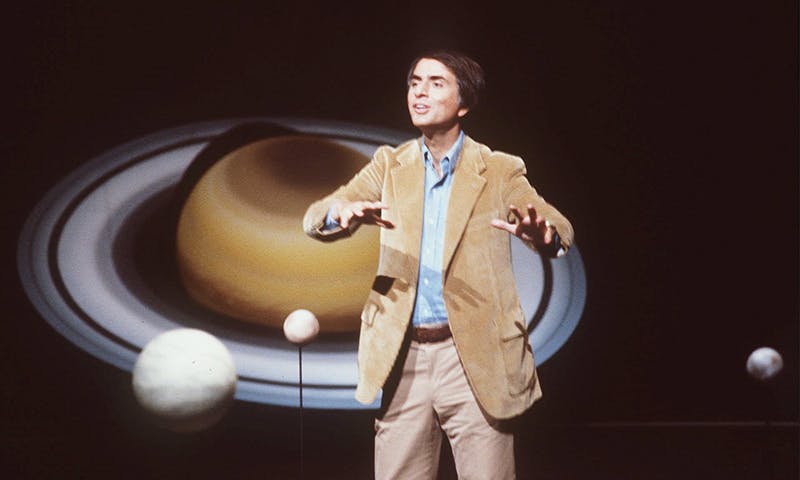
Image (Credit): Astrobiologist Carl Sagan. (Nautilus.us)
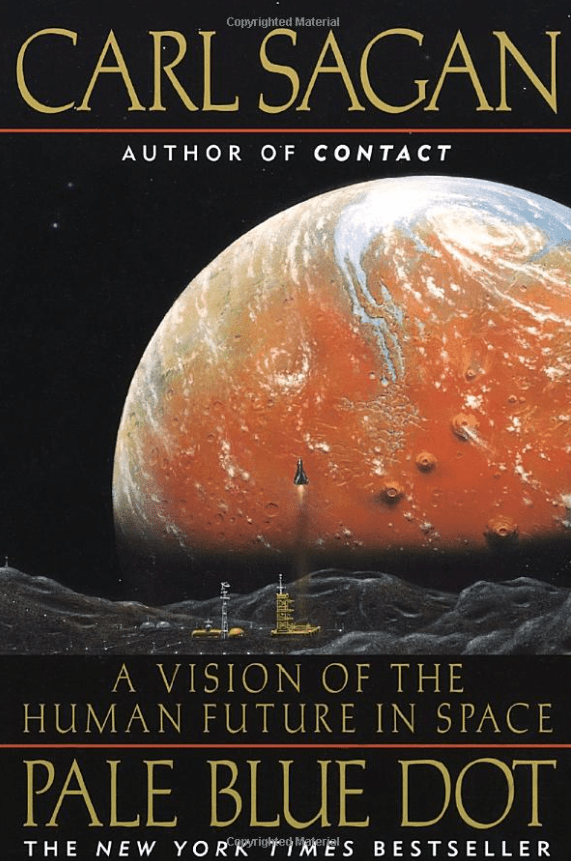
On this day in 1934, scientist and communicator Carl Edward Sagan was born in Brooklyn, NY. He was to become a great communicator of all things related to astronomy. He has played a key role over the years introducing millions to our place in the universe through his books, television series, speeches, and scientific work. His television series Cosmos was a milestone in educational television, bringing the stars and planets into everyone’s living room, while his books (Contact, Pale Blue Dot, The Dragons of Eden) continue to encourage the next generation of astronomers.
Dr. Sagan has a long resume, but I am most fascinated with his work to communicate with extraterrestrial life. He was a strong supporter of the Search for Extra-Terrestrial Intelligence (SETI) and worked with NASA to ensure our spacecraft were equipped with a record of human activity to educate other planetary civilizations, including the gold records placed on the Pioneer 10 and 11 space probes as well as the two Voyager space probes.
Years ago, the Smithsonian magazine had a good summary of Dr. Sagan’s life in the article “Why Carl Sagan is Truly Irreplaceable.” I recommend the article as a good way to get to know the man, though delving into his books is even better.
Credit: Ballantine Books
Extra: Carl Sagan was also the founder and first president of the Planetary Society. Visit this Planetary Society site, Ann Druyan wishes you a happy Sagan Day, for more on Dr. Sagan’s work.
Image (Credit): Lego Lunar Research Base playset. (Lego)
While we await the Artemis III crew landing on the Moon and related lunar base, you might want to create your own mission with the Lego Lunar Research Base (shown above), which has “NASA-inspired” details. The playset has almost 800 Lego pieces, so you can build it yourself (to NASA specs, of course).
The playset comes with a “… lunar lander, VIPER rover and a domed accommodation module with laboratories, garage and air lock, plus 6 astronaut minifigures. I’m assuming the rocket that gets the astronaut minifigures to the Moon is sold separately.
It’s great to see that Lego is allowing kids to build their own space missions at home.
Image (Credit): Lego International Space Station playset. (Lego)
Some of you may have played with Star Wars and Star Trek sets as kids, but at least these latest Lego set have a ring of credibility. Star Wars helped you destroy the galaxy, whereas Star Trek seemed more interest in exploration and at least had the veneer of Artemis CXXV.
The Jiuquan Satellite Launch Center playset comes with a Long March 2F rocket and an authentic warning sign stating, “Those stealing secrets will be caught, once they’re caught they will be killed [decapitated].”
Maybe even reality is not always the best model for play.
Extra: You can find more Lego space models at the NASA gift shop.
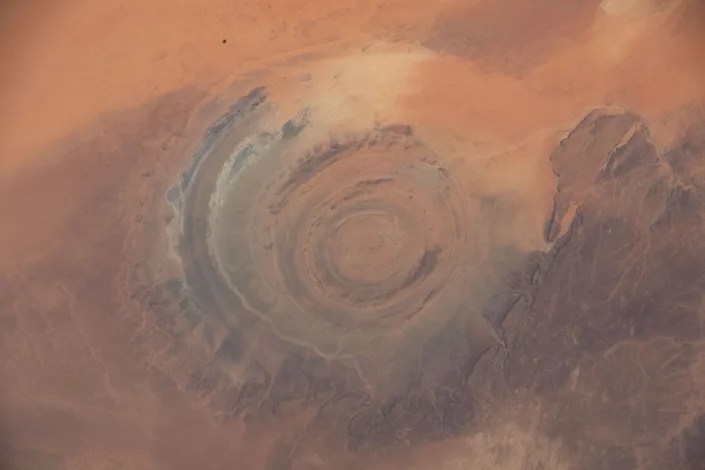
Take a look at the image above. Can you determine where this image originated? Take a guess and then check your answer by going to the menu and selecting the “Where is This? The Answer Sheet” page.




 Our Awesome Universe