The latest podcast episode of the Planetary Society’s Planetary radio had an informative discussion about space stations, including why we need them and who should be financing them. The episode, What’s Going on with Commercial Space Stations, is a conversation between Casey Dreier, Chief of Space Policy for The Planetary Society, and Clayton Swope, Deputy Director of the Aerospace Security Project and Senior Fellow for The Center for Strategic and International Studies (CSIS).
Mr. Swope wrote an story last month for CSIS titled “NASA Changes Course on Commercial Space Stations.” In it, he notes that NASA’s recent change to its program for commercial space stations was due to greater skepticism about the private sector’s ability to make a business case for a space station and then properly construct one in a timely fashion. This is the crux of his discussion with Casey Dreier, which is fun to follow.
Should the federal government continue to take the lead on both the financing and construction of manned space stations to replace the International Space Station (ISS) once it is retired? And why do we even need another manned space station? Does it serve a commercial purpose that cannot be replicated with robots? Or is it more akin to our nation’s support and participation in the Olympics, where we can show American prowess while hopefully taking sports to a new level?
The conversation covers a fair amount of ground, while the Planetary Radio website offers a variety of background links as well as some useful information on the proposed commercial space stations, including:
- Axiom Station,
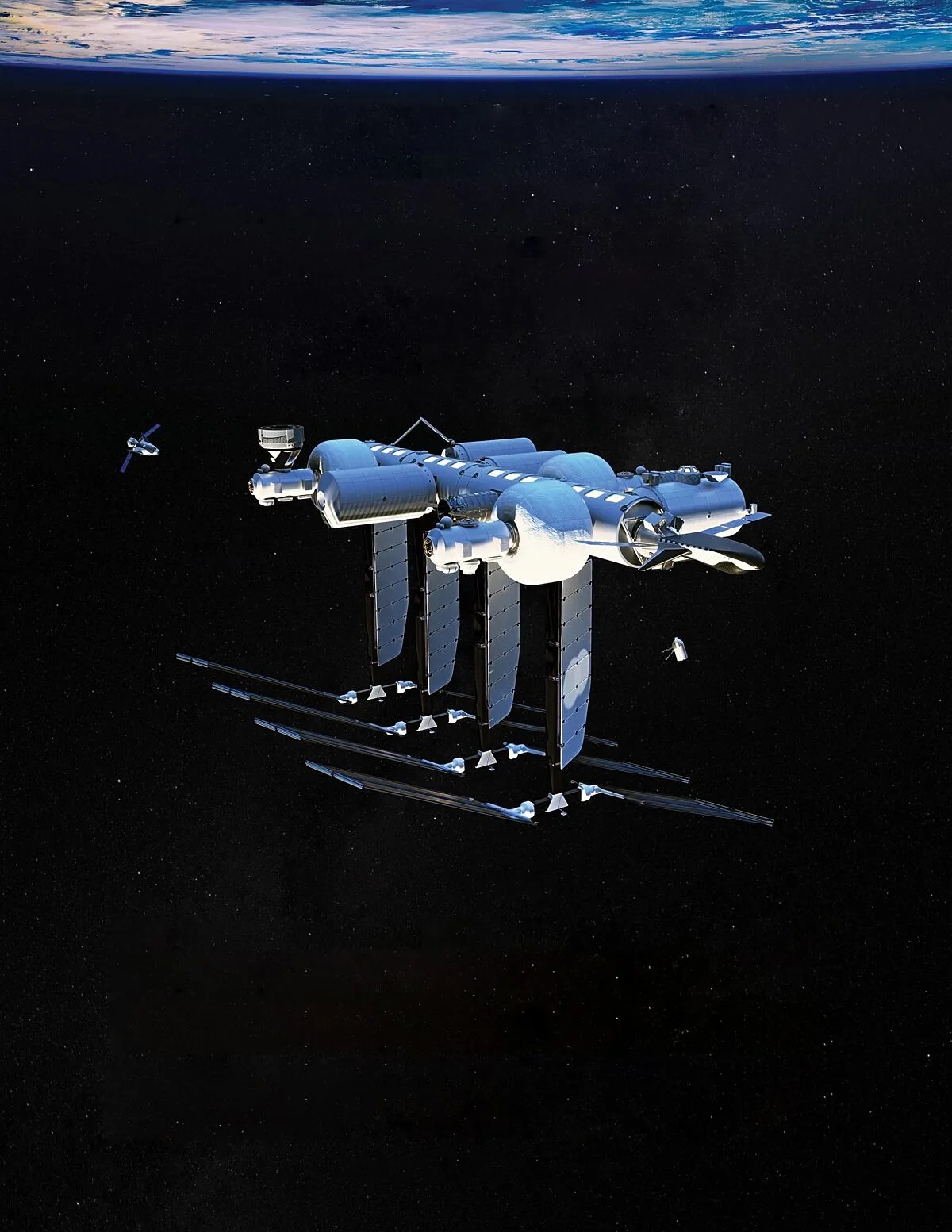
- Orbital Reef,
- Starlab,
- Cygnus spacecraft captured by Canadarm2, and
- Sierra Space LIFE habitat.
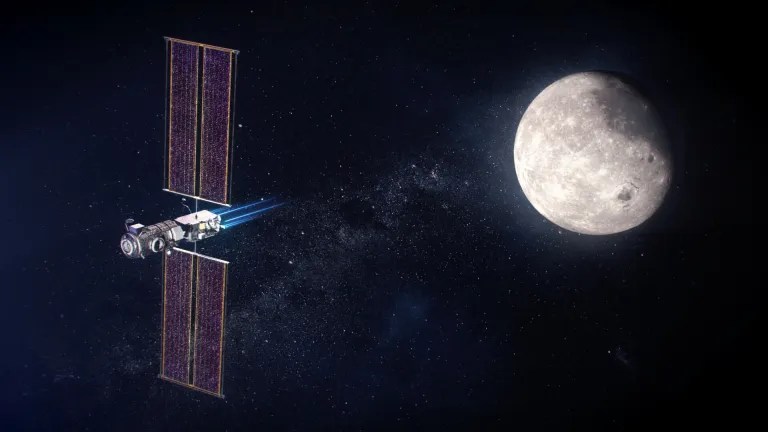
NASA and the private sector will need to find a way to make this Earth-orbiting commercial space station a viable option before the ISS is little more than a shooting star. NASA has already killed the Moon’s space station earlier this year (aka Gateway), demonstrating that it is willing to move quickly and break things.