Audit Report: ISS Spacesuit Issues

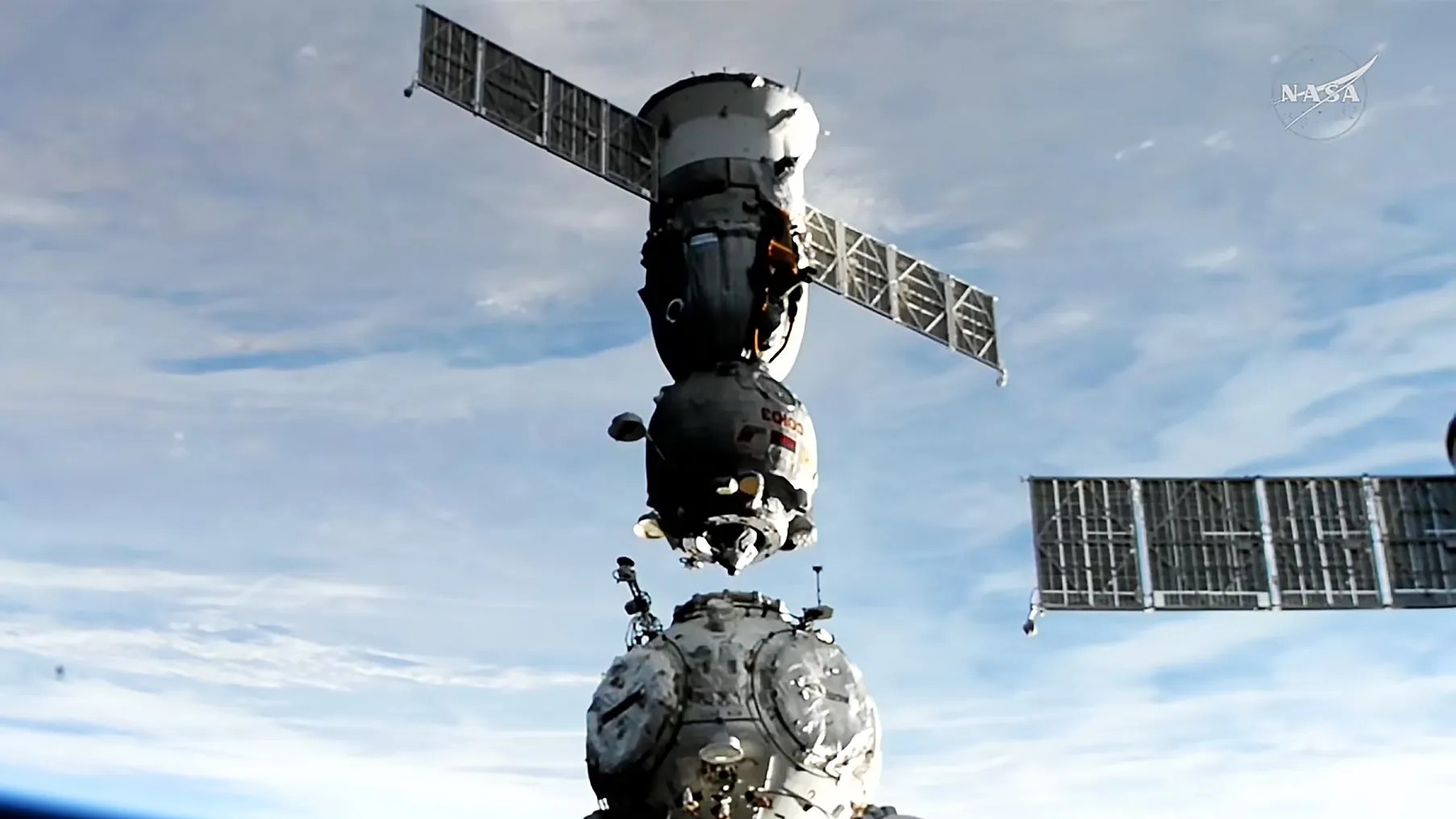
Image (Credit): Figure from the NASA OIG audit report, NASA’s Management of ISS Extravehicular Activity Spacesuits. (NASA OIG)

NASA has spent a significant amount of money on the Extravehicular Mobility Unit (EMU) spacesuits used during spacewalks on the International Space Station (ISS). Even so, these suits have ongoing problems that need to be resolved given that they will be critical to the ISS mission until the decommissioning of the station in 2030.

The NASA Office of Inspector General (OIG) has reported on issues with these spacesuits in the past and recently issued a new report on the status of the spacesuits. In its September 30th report, NASA’s Management of ISS Extravehicular Activity Spacesuit, the auditors noted that the contractor maintaining the spacesuits, Collins Aerospace, is having problems, including:

…considerable schedule delays, cost overruns, and quality issues that significantly increase the risk to maintaining NASA’s spacewalking capability.

The auditors stated that lack of competition for these spacesuit services as well as ineffective contract incentives are making the problems a permanent part of the program. While NASA has promoted competition for many years, these spacesuits designed 50 years ago have not benefited from this new approach, in part because the companies that feed into the supply line are slowly disappearing.

It seems dual-use rockets are much more in demand than antique spacesuits, potentially making spacesuits one of the weaker links in the space industry.

Note: Collins Aerospace ended a separate contract with NASA last year to develop a new ISS EMU. Collins continues with its contract to maintain the current EMU.

We Need More Ukrainian Initiative in the Space Industry

Image (Credit): The Ukrainian Flamingo cruise missile. (Fire Point)

It is a sad truth that war can create some useful items that propel mankind forward. Maybe these inventions would have occurred anyway, but the desire to survive can certainly stimulate the mind.

Ukraine is a perfect example. Recent stories about its Flamingo cruise missile indicate that the same Ukranian know-how that created the drones was also used to design a cruise missile that costs $500,000 a piece and can penetrate deep into Russian territory. Such quick innovation by Fire Point, the Ukrainian defense firm that created the new cruise missile, puts even Elon Musk to shame (remember, Musk tried to start SpaceX with old Russian rockets).

Ukraine has already knocked about 20 percent of Russia’s petroleum producing capacity offline, and now this. With a range of approximately 1,800 miles, the Flamingo has plenty of military targets that can severely damage Russia’s war-making capabilities.

Just think if all of this ingenuity had been put towards a peaceful space program. Of course, this war too shall end, and Ukraine may have some promising industries that can be quickly retooled for a space program.

Ukraine had a strong space industry when it was part of the USSR, and these latest foolhardy efforts by Putin to reestablish that Soviet empire may instead only reestablish the Ukranian space industry.

NASA Moves Away from an ISS Cargo Contractor

Image (Credit): The Dream Chaser and Shooting Star Cargo Module. (Sierra Space)

Back in 2016 NASA was looking for more commercial cargo haulers for its International Space Station (ISS), and Sierra Space’s reusable Dream Chaser spaceplane was one of those options. NASA contracted for multiple resupply missions to the ISS. However, all of that is now over.

NASA has announced that the contract has been modified so that Sierra Space is only to provide a “free flight demonstration” in 2026. What that means is that NASA will give the company a chance to prove its technology, but it will stop financing these efforts. And NASA will not commit to any future resupply missions, but may choose to do so at a later point.

It sounds like quite a gut-punch to another commercial option for the ISS at the same time that Boeing’s Starliner is still limping along. That leaves SpaceX and Northrop Grumman as the only players on the field as the station heads towards it decommissioning in 2030.

Sierra Space can certainly pursue other commercial space opportunities, which is expected to include commercial space stations at some point in the future. Even so, it appears NASA has lost confidence in the company’s ability to deliver on earlier promises related to the ISS.

In a recent press release, the company has put the most positive spin it can on this new arrangement:

Sierra Space is prioritizing first-flight readiness with Dream Chaser, targeting a launch in late 2026 to align with expected launch vehicle availability. Sierra Space and NASA worked together to reach this mutually beneficial agreement that provides greater mission flexibility for Dream Chaser’s first flight. This flight aims to demonstrate critical capabilities for NASA’s ISS resupply and future Commercial LEO Destinations (CLD) missions and position Dream Chaser as a national asset available for future national security and defense demonstrations.

Sierra Space has many other ongoing projects under a variety of government and private sector contracts, including NASA. For instance, it signed a contract with NASA earlier this year to study the use of the company’s expandable space station technology on the Moon.

So the company will be staying busy even after this latest setback. That said, getting the Dream Chaser into orbit on schedule has to remain a key priority for a company that want’s to be a big player in the space race ahead.

Space Quote: SpaceX Delays May Sink Efforts to Beat China to the Moon

Image (Credit): Artist’s rendering of SpaceX’s Starship HLS on the Moon. (SpaceX)

“The HLS schedule is significantly challenged and, in our estimation, could be years late for a 2027 Artemis 3 moon landing.”

-Statement by Aerospace Safety Advisory Panel (ASAP) member Paul Sean Hill, as quoted by Space News. NASA contracted with SpaceX to develop the Human Landing System (HLS) for the astronauts landing on the Moon as part of Artemis III and later missions. While Blue Origin has also been tapped by NASA to assist with later missions, SpaceX was expected to provide the initial HLS. Maybe NASA should have picked two companies to provide the initial HLS, with the second in place still assisting with later landings. The ASAP’s 2024 Annual Report highlighted the many risks related to Artemis III, including several related to the HLS (shown below). Everyone knew this was going to be difficult, and no one wants to be asked to answer “Who Lost the Moon?” Also, it is good we still have a few advisory panels left after the recent purge.

Image (Credit): Figure 1, “First-time milestones for the Artemis III mission,” contained in the ASAP’s 2024 Annual Report. (ASAP)

The VIPER Lives!

Image (Credit): The VIPER outside a testing chamber in the fall of 2024. (NASA/JSC David DeHoyos)

It was only last year that NASA gave up on its $450 million Volatiles Investigating Polar Exploration Rover (VIPER) project, but things have changed for the better.

Blue Origin has been selected by NASA to bring the rover to the Moon as part of a $190 million task order under the agency’s Commercial Lunar Payload Services program. Blue Origin’s Blue Moon Mark 1 robotic lander, which is scheduled to land on the Moon later this year, will include the VIPER was part of its future cargo in 2027.

As NASA has noted on its VIPER mission page, the rover was part of the Artemis program:

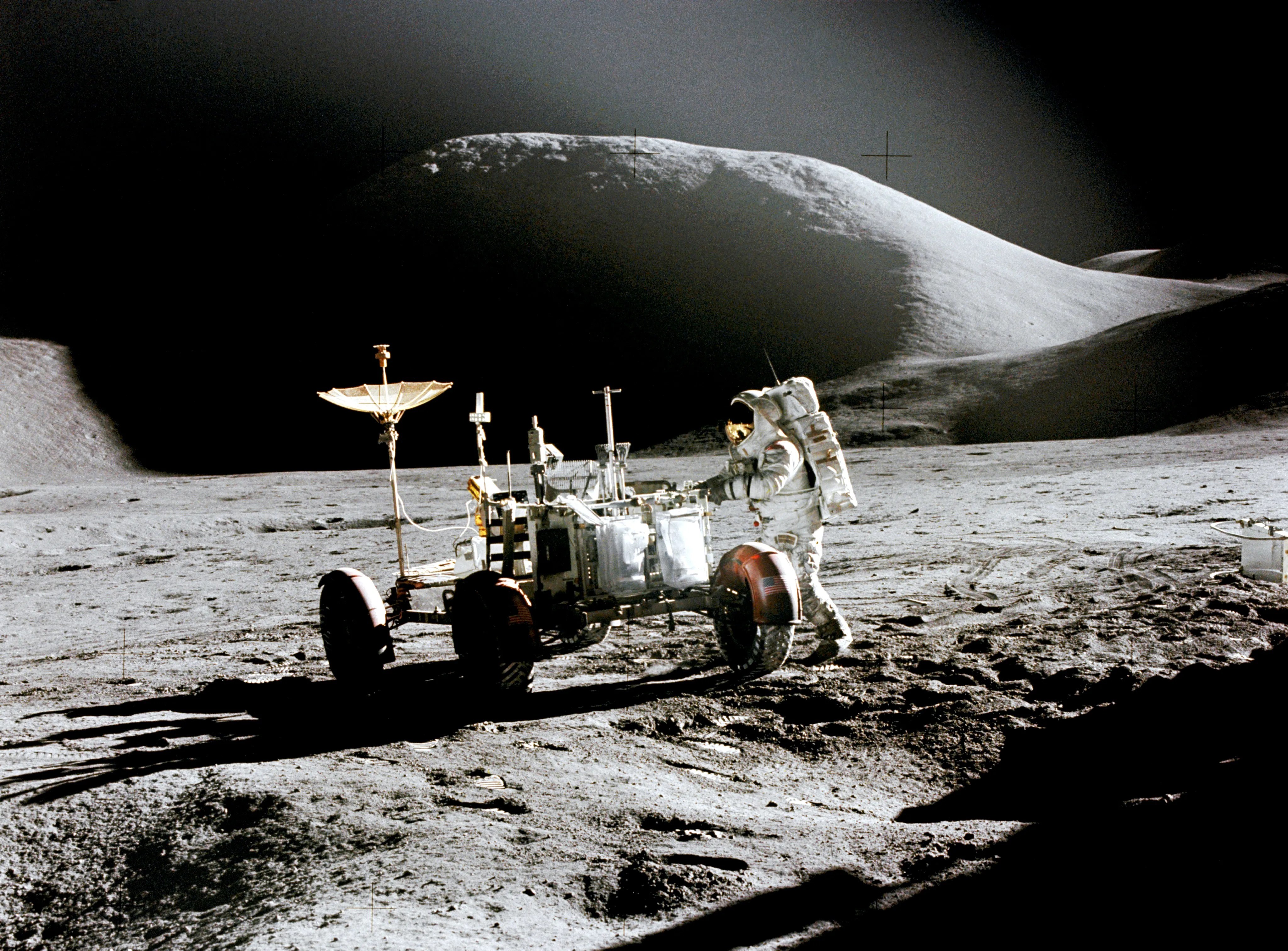
NASA’s Artemis lunar rover, the Volatiles Investigating Polar Exploration Rover, or VIPER, was designed to explore the relatively nearby but extreme environment of the Moon in search of ice and other potential resources. This mobile robot was slated to land at the South Pole of the Moon on a 100-day mission, in order to teach us about the origin and distribution of water on the Moon and help determine how we can harvest the Moon’s resources for future human space exploration.

While the VIPER mission was cancelled last summer, NASA continued to look for a partner to bring it to the Moon. Fortunately, Blue Origin was already going that way.

This is good news for scientists everywhere. It made no sense to turn a half billion dollar piece of equipment into a museum piece. We need more boots and tires on the lunar surface, and VIPER is fortunately part of those plans again.