Space Stories: A Polish Astronaut Heads to ISS, Two Astronauts Are Missing from Church, and Deadly Red Dwarves

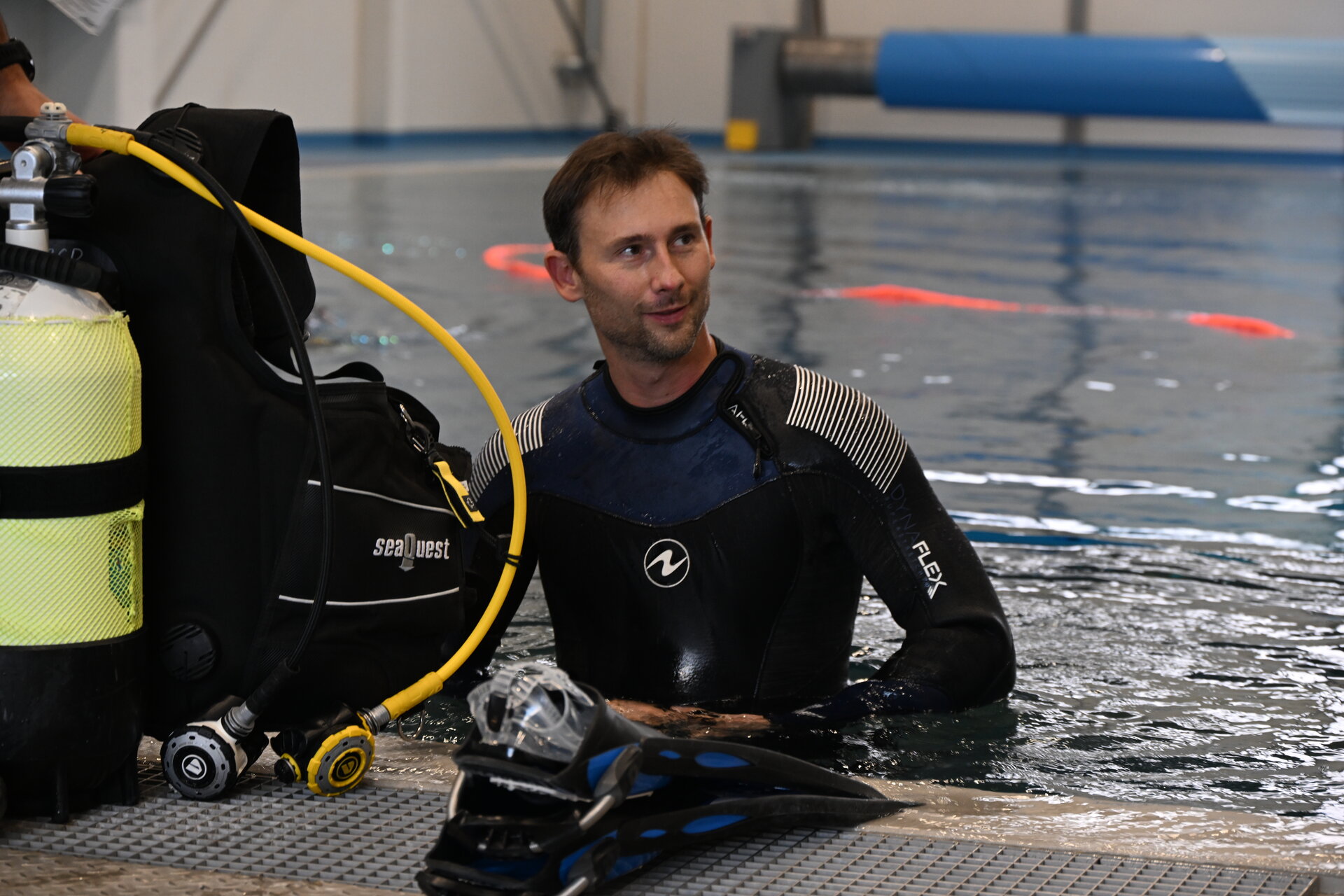
Image (Credit): Sławosz Uznański in ESA’s Neutral Buoyancy Facility. (ESA)

Here are some recent stories of interest.

European Space Agency (ESA)Sławosz Uznański from Poland Will fly to International Space Station on Rourth Axiom Space Mission

Axiom Space announced that it is partnering with India, Hungary, and with Poland through ESA to send three national astronauts to the International Space Station on Axiom Mission 4 (Ax-4). ESA project astronaut Sławosz Uznański has been assigned as mission specialist under the command of Axiom Space’s Chief Astronaut Peggy Whitson...The other two Ax-4 crew members are pilot Shubhanshu Shukla from India, and mission specialist Tibor Kapu from Hungary.

Associated PressOne Church, Two Astronauts. How a Texas Congregation is Supporting its Members on the Space Station

there’s no way on Earth for NASA astronauts Barry “Butch” Wilmore and Tracy Dyson to show up at Providence Baptist Church. They’re in space, orbiting the planet. More specifically, these two members are working on the International Space Station together...Dyson’s six-month mission isn’t scheduled to end until September, but Wilmore and his fellow NASA test pilot, Suni Williams, should have been back weeks ago. They are staying longer than expected following thruster failures and helium leaks on Boeing’s inaugural crew flight for its Starliner capsule. Wilmore and Williams have said they are confident the capsule will return them home safely; engineers are still poring over Starliner test data.

University of CambridgeAstronomers Uncover Risks to Planets that Could Host Life

Astronomers have discovered that red dwarf stars can produce stellar flares that carry far-ultraviolet (far-UV) radiation levels much higher than previously believed. The discovery suggests that the intense UV radiation from these flares could significantly impact whether planets around red dwarf stars can be habitable…According to researchers, UV radiation from stellar flares can either erode planetary atmospheres, threatening their potential to support life, or contribute to the formation of RNA building blocks, which are essential for the creation of life.
The Space Station Supplies Have Been Launched

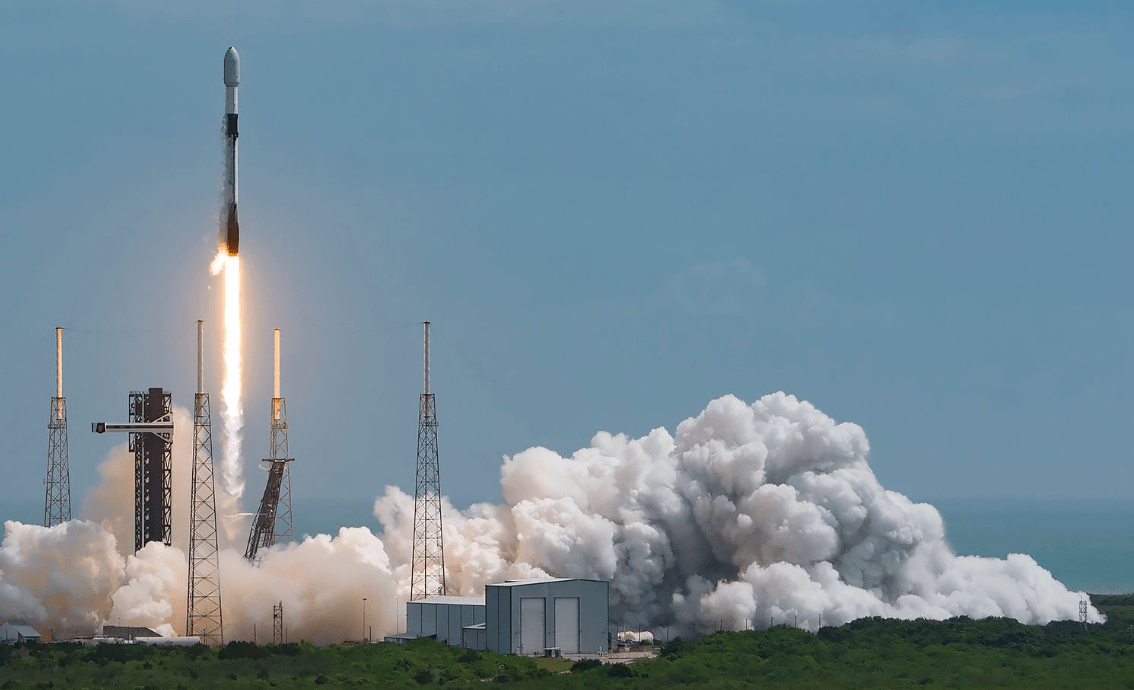
Image (Credit): Successful launch of a SpaceX Falcon 9 on August 4, 2024 sending supplies to the ISS. (SpaceX)

The weather cleared enough in Florida on Sunday for the SpaceX launch to take place, sending the Northrop Grumman Cygnus cargo spacecraft towards the International Space Station (ISS) after some earlier delays.

At 11:02 am ET, SpaceX’s Falcon 9 launched Northrop Grumman’s 21st Commercial Resupply Services mission (NG-21) to the ISS from Space Complex 40 (SLC-40) at Cape Canaveral Space Force Station in Florida.

The spacecraft will intercept the ISS on Tuesday, August 6. With the extra Starliner astronauts on board awaiting permission from Boeing to return to Earth, it is likely that the supplies will be very welcome.

Another three astronauts will be launched to the ISS on August 18 as part of the normal crew rotation. Hence, it will get even more crowded at the station by mid-August.

Update: The next crewed mission to the ISS was moved to “no earlier than” September 24 to give the Starliner more time to return to Earth.

Resupply Mission to the Space Station Hits a Weather Bump

Image (Credit): Northrop Grumman’s Cygnus cargo spacecraft as seen from the ISS. (Northrop Grumman)

The weather in Florida has delayed today’s Northrop Grumman resupply mission to the International Space Station (ISS). In fact, SpaceX is launching the payload for Grumman from the Cape Canaveral Space Force Station rather than the typical launch facility in Virginia. The Northrop Grumman Cygnus cargo spacecraft with its 8,200 pounds of supplies will probably need to sit on the launch pad for a few more days until the weather clears.

Why is SpaceX launching a Grumman resupply mission, you might ask?  Doesn’t Grumman have its own rocket? Yes, and no. It has launches most of its resupply missions on its own Antares rocket, but the newest version of the rocket, the Antares 330, is still being finalized and is not expected to be ready until next year. As a result, Grumman procured three flights from SpaceX.

The ability of the commercial parties to support one another’s missions is encouraging, just as the European Space Agency dependied on SpaceX while it developed a new generation of its Ariane rocket.

SpaceX is always there to help (at a cost, of course) as other rocket companies prepare for the challenges ahead. In the case of Northrop Grumman, it needed to move away from its reliance on Ukrainian/Russian rockets and create a more reliable supply chain.

Now we just need the weather to cooperate.

The End of the Atlas V Rocket

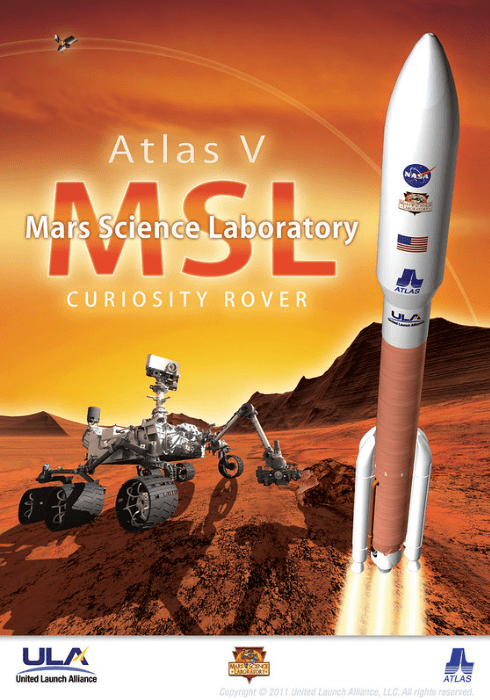
Credit: ULA

Tomorrow’s launch of a classified US Air Force payload will be the last use of the United Launch Alliance (ULA) Atlas V rocket for such missions. It will the rocket’s 100th national security launch.

The Atlas rocket, first built in 1957, is America’s longest-serving active rocket. Over the years, the rockets have launched numerous critical government and commercial missions, including NASA missions. For instant, it sent NASA’s Curiosity Rover to Mars. Most recently it sent the Boeing Starliner to the International Space Station (now the Starliner needs to find its own way back).

More Atlas V missions are planned even with the absence of national security missions, but the ULA’s focus is turning towards its new Vulcan rocket, which is still being tested.

The era of the Atlas rocket is quickly coming to a close.

Space Stories: Starliner Still Stuck, Space Walks Nixed, and ISS Artifacts Being Considered

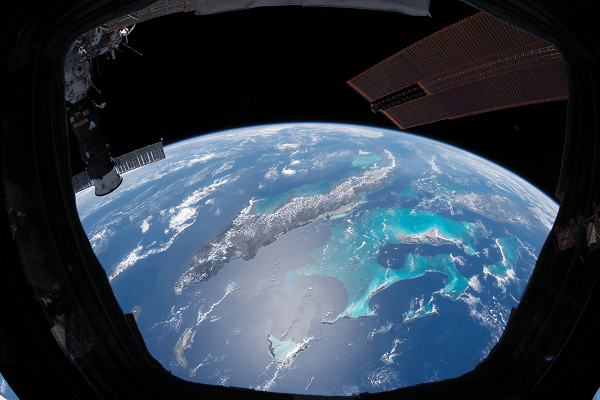
Image (Credit): Photo of the Islands of the Caribbean Sea itaken by an astronaut from inside the Cupola on the International Space Station. (NASA)

Here are some recent stories of interest related to the International Space Station (ISS).

WFLA.com: Astronauts Remain in Space as Boeing’s Starliner Mission Exceeds 45-day Window at ISS

Two astronauts aboard Boeing’s Starliner remain stuck in space as the mission exceeded its 45-day battery window being docked at the International Space Station. The capsule, which arrived at the space station on June 6, was initially approved to stay for up to 45 days but with no return date set, the astronauts’ stay has been “extended indefinitely,” NBC affiliate WESH reported. NASA and Boeing said the capsule’s batteries are performing well despite the extended stay. Tuesday marked 47 days since they’ve been at the ISS.

Space.comNASA delays ISS Spacewalks Indefinitely to Investigate Spacesuit Coolant Leak

NASA says its next spacewalk will be delayed indefinitely until engineers understand more about what caused a coolant leak on June 24. Tracy Dyson, a NASA astronaut, had a brief spacesuit leak a month ago while still in the hatch of the International Space Station (ISS). She and Mike Barrett had just opened the door for a 6.5-hour spacewalk for maintenance activities, when showers of ice particles erupted from a spacesuit connection to the ISS. The spacewalk was suspended, but the astronauts were never in any danger, NASA has emphasized.

Collectspace.com: NASA Looking at What Artifacts to Save from ISS Before 2030 Demise

Two years after stating there were no plans to save artifacts from the destructive end of the International Space Station (ISS), NASA is now in the early stages of identifying what small parts of the orbiting laboratory to preserve. Agency officials on Wednesday (July 17) shared the preliminary details during a media briefing about the space station’s end of life in 2030 and the selection of SpaceX to build the vehicle that will move the massive complex out of orbit such that it mostly burns up in Earth’s atmosphere and plunge any surviving fragments into a remote area of the ocean.