Space Stories: A Test of Space Suits, Water Detected on Asteroids, and China’s Growing Space Program

Image (Credit): Recent test of the space suit being built by Collins Aerospace. (Collins Aerospace)

Here are some recent stories of interest.

The Verge: One of NASA’s New Spacesuits Passes Microgravity Test

Collins Aerospace, a private company hired to create spacesuits for use outside the International Space Station (ISS), has tested its suit aboard a commercial microgravity flight, passing a milestone that lets engineers move forward toward critical design review…During the test, the plane executed “roller-coaster-like maneuvers” to induce weightlessness and allow someone wearing a prototype to see if it actually lets someone move around in it under those conditions.

Newsweek: NASA Data Detects Water on Asteroids for the First Time Ever

Water has been found on the surface of two asteroids for the first time, scientists said in a new paper. Two silicate-rich asteroids were detected by the retired Stratospheric Observatory for Infrared Astronomy (SOFIA) that were giving off a specific wavelength of light that indicated the presence of molecules of water, according to research published in The Planetary Science Journal. The discovery may have major implications for theories about how water initially made its way to our own planet. It could have been delivered via asteroid impact.

Astronomy.com: China is Embarking on a Science and Exploration Program of Staggering Scale

When China’s first lunar lander, Chang’e 3, touched down in Mare Imbrium on the Moon in 2013, it was the pinnacle of the country’s space endeavors. The robotic lander and its small Yutu rover companion were the first spacecraft to operate on the Moon since the 1970s, and provided new insights into our planet’s natural satellite…Since then, China’s space activities have exploded in range, frequency, and ambition. The country now rivals the U.S. for the most launches per year, with around 80 missions having been planned for 2023. The nation has its own modular space station, named Tiangong, which is expected to be continuously occupied by a rotating crew of three astronauts for at least a decade.

Space Stories: Preparing for a Commercial Space Station, Ukraine Protests New ISS Crew, and Metal 3D Printing in Space

Image (Credit): Artist’s rendering of the Starlab commercial space station in orbit. (Starlab Space)

Here are some recent stories of interest related to space stations.

SpaceNews: Starlab Commercial Space Station to Launch on Starship

Starlab Space, the joint venture developing the Starlab commercial space station, has selected SpaceX’s Starship to launch the station on a single flight. Starlab Space, a joint venture of Voyager Space and Airbus Space and Defence, announced Jan. 31 it reached an agreement with SpaceX to launch the Starlab station on Starship. The companies did not disclose terms of the agreement or a projected launch date, although a spokesperson for Starlab Space said the company was confident that Starlab would be launched before the decommissioning of the International Space Station, currently scheduled for 2030.

Kyiv Post: Ex-Russian Military Officer Joins NASA for ISS Mission; Ukrainian Outrage Follows

Alexander Grebenkin, a former Russian military officer and current Roscosmos cosmonaut, is set to travel to the International Space Station as part of the NASA team, as announced on the NASA website, where Ukrainians have commented their outrage. NASA, in collaboration with SpaceX, plans to launch Crew-8 to the International Space Station no earlier than Thursday, Feb. 22.

Aviation Week Network: European Space Agency Launches ‘First’ Metal 3D Printer To ISS

The European Space Agency (ESA) has launched what it says is the “first metal 3D printer” to be hosted on the International Space Station (ISS). While plastic 3D printers have been used aboard the ISS since 2014, a machine that prints stainless steel would be new and could allow astronauts greater self-sufficiency, including the ability to make complex metallic structures in orbit, as well as at future Moon and Mars bases, ESA said Jan. 30.

Cosmonaut Surpasses Earlier Days in Space Record

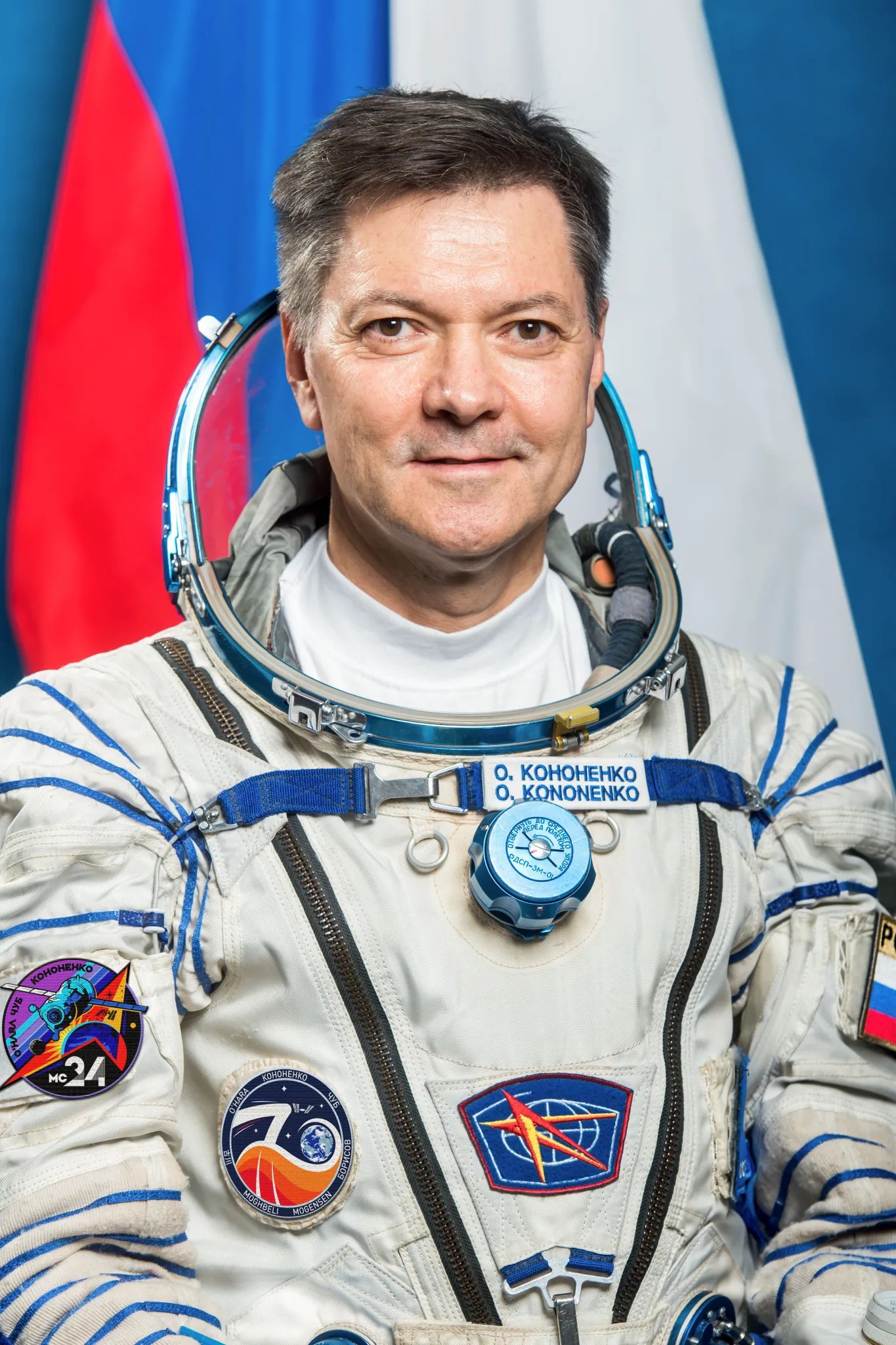
Image (Credit): Roscosmos cosmonaut and Expedition 70 Flight Engineer Oleg Kononenko (Andrey Shelepin NASA)

Just yesterday, Russian cosmonaut Oleg Kononenko surpassed an earlier record for the amount of time a human has spent in space. He has now been in orbit more than 878 days, this being his fifth rotation on the International Space Station. The earlier record was set in 2015 by cosmonaut Gennady Padalka.

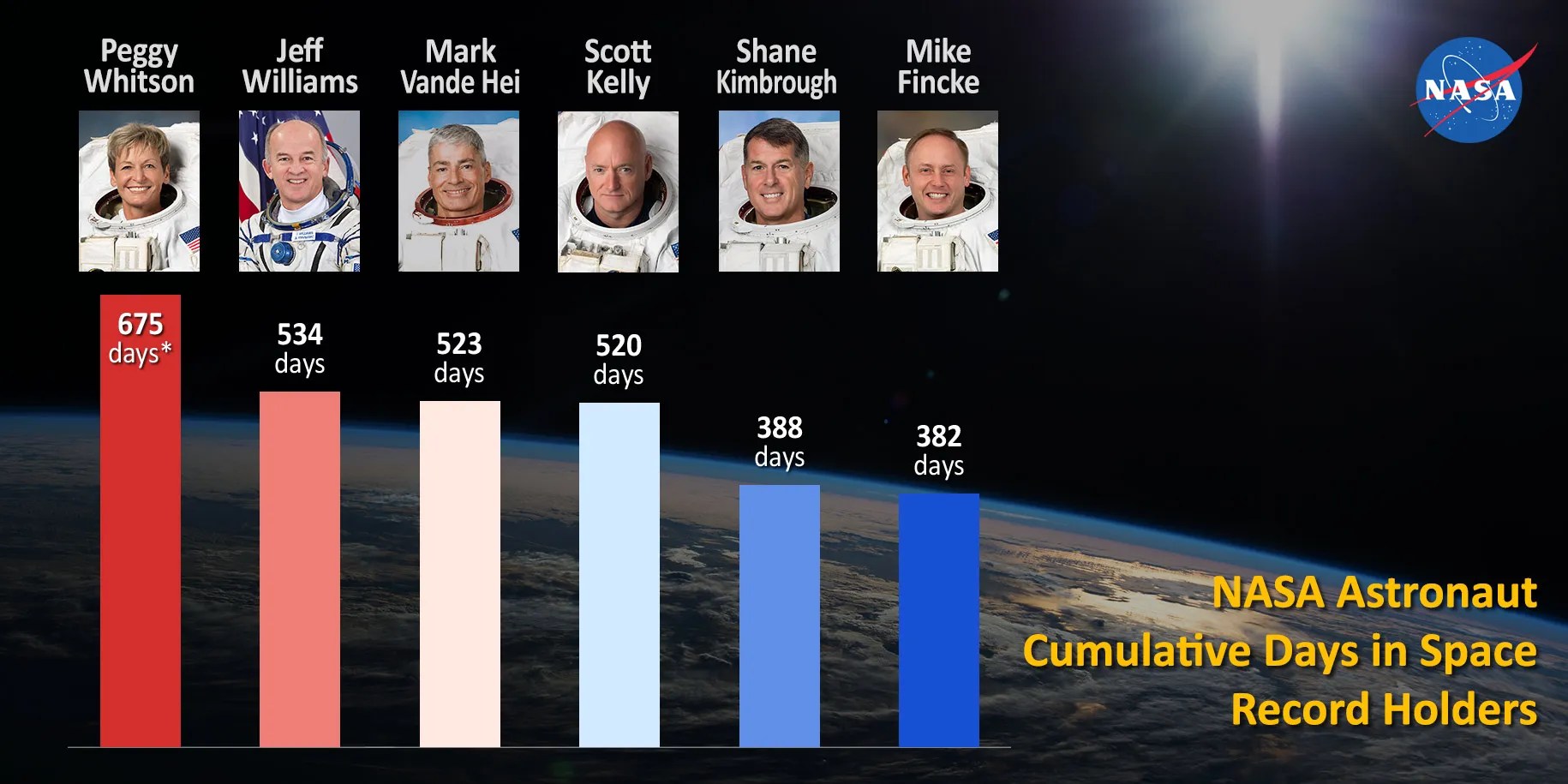
American astronauts have a ways to go before approaching this record. To date, the record for cumulative days in space is held by a NASA astronaut Peggy Whitson at 675 days.

*Peggy Whitson extended her record cumulative time in space by nine days as an Axiom Space astronaut during Axiom Mission-2 from May 21 through May 30, 2023.
Credit: NASA

Northrop Grumman Cargo Ship Heads to ISS

Image (Credit): Launch of the Cygnus spacecraft earlier today on its way to the ISS. (NASA)

Earlier today, Northrop Grumman launched a resupply spacecraft via a SpaceX Falcon 9 rocket to the International Space Station (ISS). The Cygnus spacecraft is conducting its 20th mission to the station, making it reliable workhorse as NASA awaits even more commercial partners to come online.

According to NASA, the resupply spacecraft contains numerous experiments, including:

  • the first surgical robot on the space station;
  • an orbit re-entry platform that collects thermal protection systems data;
  • a 3D cartilage cell culture that maintains healthy cartilage in a lower gravity; and
  • a metal 3D printer, an autonomous semiconductor manufacturing platform.

A surgical robot you ask? You can read more about this Miniaturized In-vivo Robotic Assistant (MIRA) by visiting this Gizmodo site.

Space Stories: The ISS Succession Plan, Privately-built Moon Landers, and Working with Moonquakes

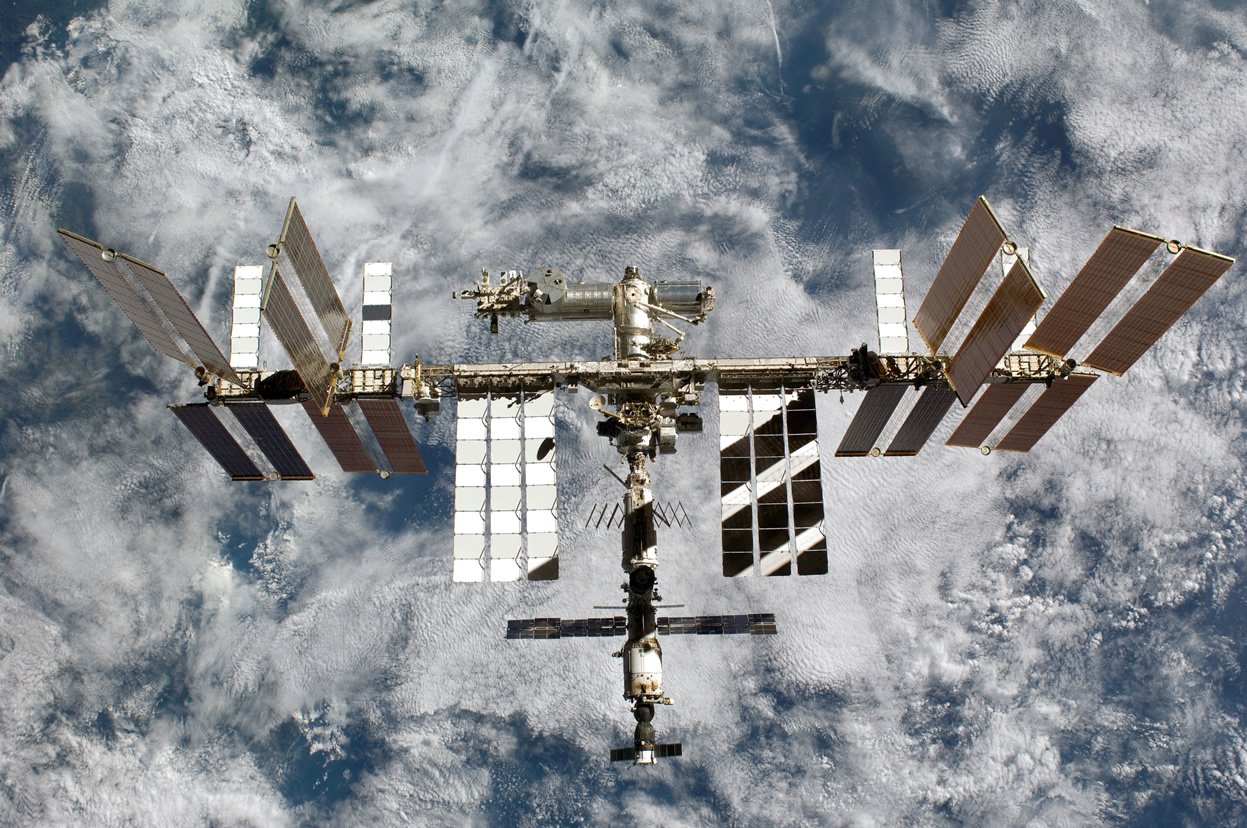
Image (Credit): View of the International Space Station. (NASA)

Here are some recent stories of interest.

Aviation Week Network: Safety Panel Raises Commercial Space Station Transition Concerns

Concerns over a “very tight” timeline for NASA to transition human low-Earth-orbit operations from the International Space Station (ISS) to commercial successors tops a list of seven concerns raised by an agency safety panel. The latest annual report by NASA’s Aerospace Safety Advisory Panel’s (ASAP) was released Jan. 25. The 56-page report expresses concerns over sufficient evidence of a viable business case to make NASA one of multiple tenants of at least one ISS successor. The effort is currently supported by NASA and the European, Japanese, Russian and Canadian space agencies.

Astronomy.com: Vertex Moon Mission Getting Closer to Launch

 A new era in lunar research is coming, and Lunar Vertex is getting ready to lead the way. Lunar Vertex is NASA’s first so-called PRISM mission (Payloads and Research Investigations on the Surface of the Moon). PRISM taps into the Commercial Lunar Payload Services program that uses privately built landers to deliver NASA science and other payloads to the lunar surface. PRISM missions are meant to be lower-cost, faster-to-flight programs. There is a mass limit of just over 100 pounds (45 kilograms) — so the science instruments have to be small — and the budget for the first PRISM suite is just $30 million (excluding the lander and the launch vehicle). Lunar Vertex is first in line, and recently has hit a number of major milestones on its way to a June 2024 launch.

NASA: Shrinking Moon Causing Moonquakes and Faults Near Lunar South Pole

As NASA continues to make progress toward sending astronauts to the lunar South Pole region with its Artemis campaign, data from a NASA-funded study is helping scientists better understand this strategic part of the Moon. The study presents evidence that moonquakes and faults generated as the Moon’s interior gradually cools and shrinks are also found near and within some of the areas the agency identified as candidate landing regions for Artemis III, the first Artemis mission planned to have a crewed lunar landing.