Image (Credit): Six U.S. astronauts currently aboard the ISS. From left to right they are Jeanette Epps, Tracy Dyson, Butch Wilmore, Mick Barratt, Suni Williams, and Matt Dominick. The are holding copies of the Declaration of Independence, U.S. Constitution, and Bill of Rights. (NASA)
This week’s image comes from the International Space Station (ISS) where the U.S. astronauts have a message for all of us regarding the Fourth of July. You can watch the entire video here and hear a message from each of the astronauts – Mike Barratt, Matt Dominick, Tracy Caldwell Dyson, Jeanette Epps, Suni Williams and Butch Wilmore.
“Selecting a U.S. Deorbit Vehicle for the International Space Station will help NASA and its international partners ensure a safe and responsible transition in low Earth orbit at the end of station operations. This decision also supports NASA’s plans for future commercial destinations and allows for the continued use of space near Earth…The orbital laboratory remains a blueprint for science, exploration, and partnerships in space for the benefit of all.”
–Statement by Ken Bowersox, associate administrator for Space Operations Mission Directorate at NASA Headquarters in Washington, regarding NASA announcement that SpaceX has been selected to develop and deliver the U.S. Deorbit Vehicle under a contract worth $843 million. This expensive Deorbit Vehicle should help to avoid problems on the ground as well as orbiting debris impacting space missions, as was the case on the International Space Station (ISS) a few days ago. The ISS is expected to continue operation until 2030.
If you are looking for a television show on the hazards of space travel, PBS has created a worthwhile documentary titled Space: The Longest Goodbye. It is playing on your local PBS station as well as online.
Here is a little more about the series:
NASA’s goal to send astronauts to Mars would require a three-year absence from Earth, during which communication in real time would be impossible due to the immense distance. Meet the psychologists whose job is to keep astronauts mentally stable in outer space, as they are caught between their dream of reaching new frontiers and the basic human need to stay connected to home.
The series covers various attempts to understand the human mind when constrained to a small place, be it a rocket, a space station, or a planetary/moon base.
The PBS website also has more information on the series as well as comments from the participants. For example, the story “How Science Fiction Confronts the Real Isolation of Space” touches on our favorite movies and television shows to see what they say on the issue, from Black Mirror and For All Mankind to 2001: A Space Odyssey and Alien.
We still have a lot to learn about the human mind before we go any real distance into space or simply sit in place on the Moon or Mars. We may find that equipment challenges are the easiest challenges to resolve in future Artemis missions.
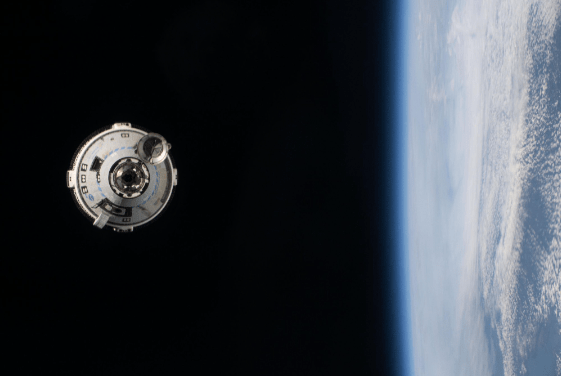
Image (Credit): The Boeing Starliner approaching the International Space Station. (NASA)
“We are strategically using the extra time to clear a path for some critical station activities while completing readiness for Butch and Suni’s return on Starliner, and gaining valuable insight into the system upgrades we will want to make for post-certification missions.”
–Statement by Steve Stich, manager of NASA’s Commercial Crew Program, regarding delays in the return of Boeing’s Starliner capsule. The language is becoming as flowery as SpaceX’s language when something goes wrong. NASA has already nixed the June 26 return date and has yet to provide a new date.
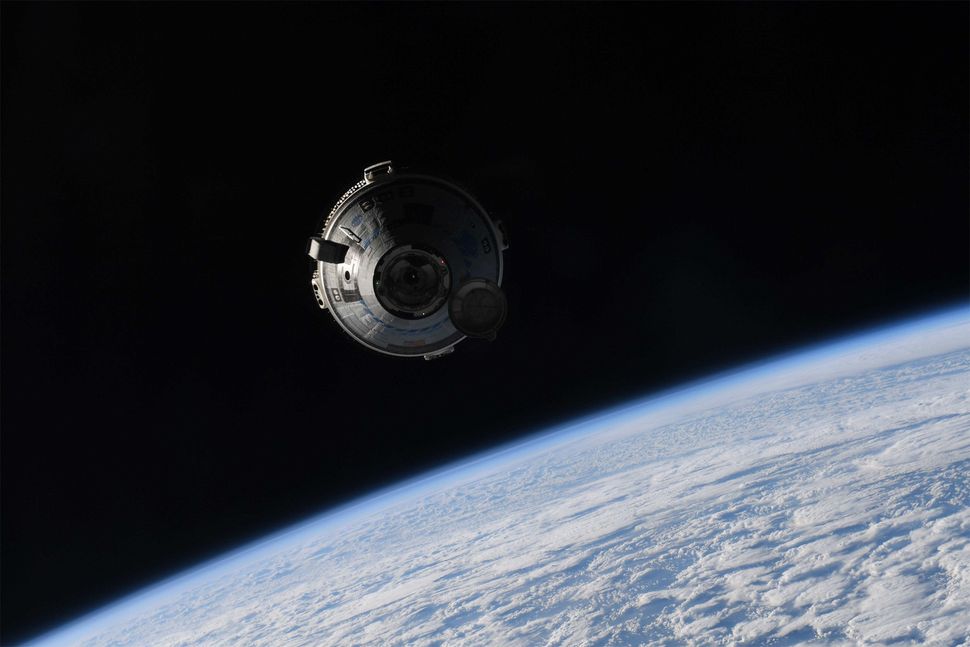
Image (Credit): Boeing’s Starliner approaching the ISS. (Samantha Cristoforetti/European Space Agency)
The return of the two astronauts from the earlier Starliner mission has been bumped a few times now, with the latest return scheduled for this Saturday (June 22).
The Boeing Starliner arrived at the International Space Station with thruster problems, and then encountered further helium leaks after that, so the need for additional time to study the issue makes some sense. NASA will address the status of the mission requirements and weather conditions at a press conference tomorrow (June 18).
It took long enough to get the two astronauts to the ISS after many delays, so maybe should not surprise anyone that we have a few delays on the return.
Boeing needs good press these days, so a quick and simple mission would have been nice. Yet this would be a bad time to throw caution into the wind when they are so close to the finish line.