A Day in Astronomy: Launch of Ranger 4 Lunar Probe

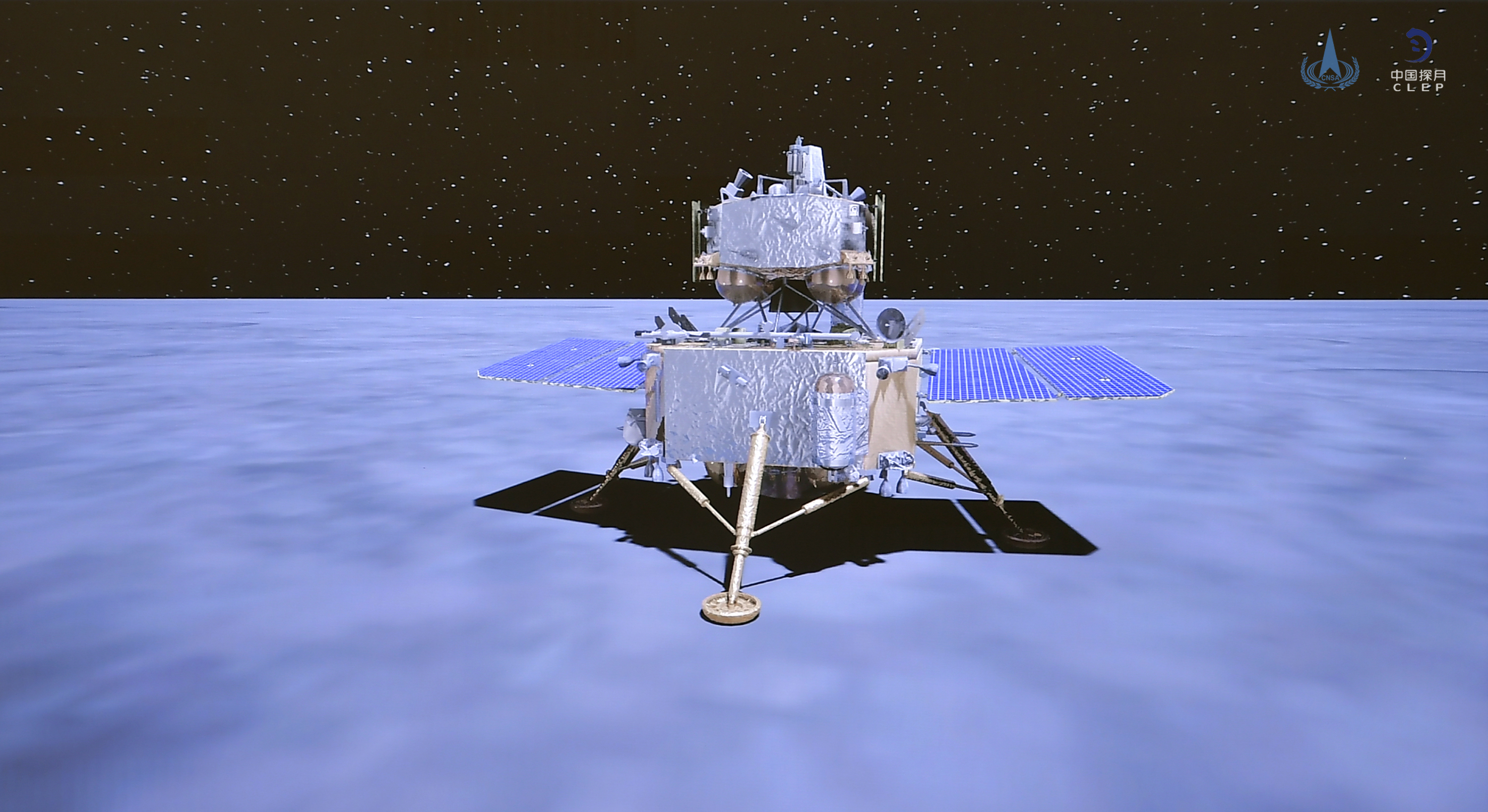
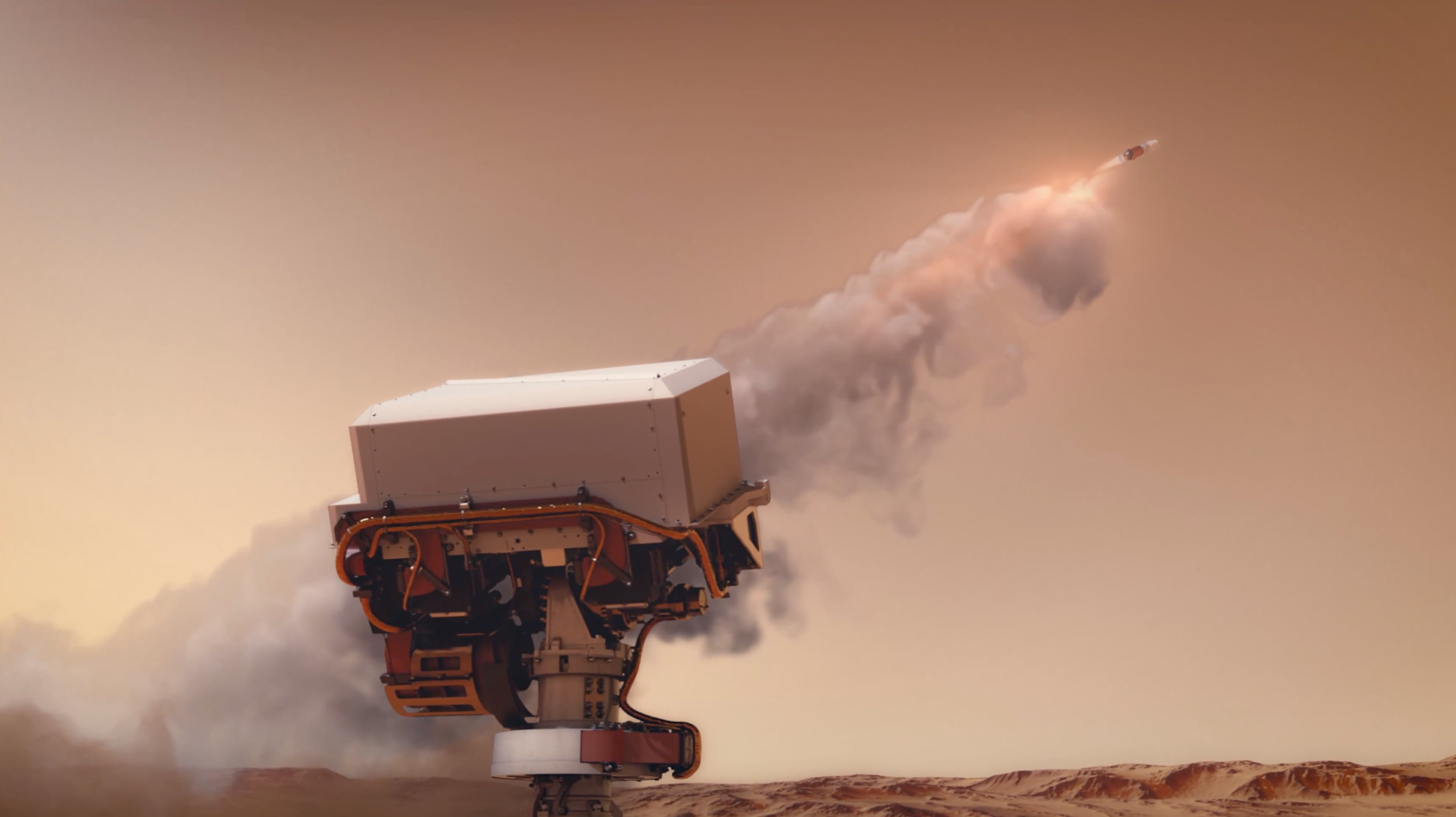
Image (Credit): The Ranger 4 problem. (NASA/JPL)

On this day in 1962, the United States launched the Ranger 4 lunar probe from Cape Canaveral. Its mission was to photograph the lunar surface, place scientific equipment on the Moon, and perform other tests before crashing into the surface of the Moon. A computer glitch caused the probe to crash on the far side of the Moon before it could send back any useful data. Nonetheless, it was the first US spacecraft to reach another moon or planet (the Soviets had reached the Moon in 1959) as well as the first spacecraft to reach the far side of the Moon.

NASA launched a total of nine probes to the Moon under the Ranger program, with the last missions – Rangers 7,8, and 9 – being successful. Rangers 1 and 2 never left Earth orbit, while Rangers 3 and 5 missed the moon altogether. As noted above, Ranger 4 made it to the Moon, but not where is was supposed to land. And Ranger 6 made it to the Moon, but experienced a camera failure.

The Ranger missions set the stage for the later Apollo missions, which allowed the US to put the first man on the Moon.

Note: This NASA paper, Lunar Impact: A History of Project Ranger, provides greater detail on the earlier missions.

Today’s NASA Nominee Hearing

It appears Mr. Isaacman will become the next NASA Administrator based on his careful answering of questions at his nomination hearing, but there was some weakness in his support for a Moon mission in both his prepared testimony as well as his answers to later questions.

In his prepared statement, Mr. Isaacman’s emphasis was Mars with reluctant support for something happening on the Moon:

As the President stated we will prioritize sending American astronauts to Mars. Along the way, we will inevitably have the capabilities to return to the Moon and determine the scientific, economic, and national security benefits of maintaining a presence on the lunar surface.

I read that as him saying a return to the Moon is an option.

Chairman Cruz was far more adamant about a Moon mission in his opening statement, saying:

The Artemis missions and the entire Moon-to-Mars program, which have enjoyed consistent bipartisan support, serve as the stepping stone to landing American astronauts on Mars. In fact, this stepping stone approach is the law as enacted by Congress. We must stay the course. An extreme shift in priorities at this stage would almost certainly mean a Red Moon—ceding ground to China for generations to come. I am hard pressed to think of a more catastrophic mistake we could make in space than saying to Communist China, ‘The moon is yours. America will not lead.’

In the question and answer period, Senator Cruz asked about the return to the Moon and received this weak response from Mr. Isaacman:

I don’t think we have to make any tough trades here, Senator. I think if we can concentrate our resources at the world’s greatest space agency, we don’t have to make a binary decision of moon versus Mars or moon has to come first versus Mars.

So Chairman Cruz continued:

If China beats us to the moon, what consequences might America face?

Mr. Isaacman replied:

We certainly cannot lose…If we do not lead the way and we’re following, we may be following forever, the consequence of which could be extraordinary.

That response sounds a little better, though it may upset Mr. Musk who has a preference for Mars, particularly a Mars mission that has federal funds going to his company.

It appears Mr. Isaacman has forgotten that the Moon is a stepping stone to Mars and not a speed bump. NASA is almost ready for a nearby Moon mission that can be accomplished in weeks, but a Mars mission that will take years is not even close to ready, no matter what Mr. Musk says.

Republicans and Democrats need to hold Mr. Isaacman’s feet to the fire to ensure the Artemis program is fully funded and continues before any designs are set for a Mars mission.

The Artemis II Mission Has a Patch

Image (Credit): Mission patch for the Artemis II mission. (NASA)

This week NASA unveiled the new mission patch for the Artemis II mission to return astronauts to lunar orbit (shown above). The Artemis II crew designed the patch with the hope that the mission to the Moon will occur next year. The four astronauts selected for the crew are NASA Commander Reid Wiseman, pilot Victor Glover, and mission specialist Christina Koch, and Canadian Space Agency mission specialist Jeremy Hansen.

The crew also provided this description of the new mission patch:

The Artemis II test flight begins when a mighty team launches the first crew of the Artemis generation. This patch designates the mission as “AII,” signifying not only the second major flight of the Artemis campaign, but also an endeavor of discovery that seeks to explore for all and by all. Framed in Apollo 8’s famous Earthrise photo, the scene of the Earth and the Moon represents the dual nature of human spaceflight, both equally compelling: The Moon represents our exploration destination, focused on discovery of the unknown. The Earth represents home, focused on the perspective we gain when we look back at our shared planet and learn what it is to be uniquely human. The orbit around Earth highlights the ongoing exploration missions that have enabled Artemis to set sights on a long-term presence on the Moon and soon, Mars.

Now we have to do everything possible to make this mission happen before things fall apart at NASA or all of the attention shifts to a less likely quick mission to Mars.

A Day in Astronomy: Birth of Wernher von Braun

Image (Credit): Wernher von Braun (center) with President John F. Kennedy discussing the Saturn Launch System. (NASA)

On this day in 1912, Wernher Magnus Maximilian, Freiherr von Braun was born in Wyrzysk (once German, now Polish). He became an aerospace engineer for both the Germans during World War II as well as the Americans following the war.

Wernher von Braun designed the V-2 rocket that terrorized Great Britain during the war. He used that knowledge to assist NASA with the Saturn V rocket that became the backbone of the Apollo Moon missions.

In a speech on the eve of the Apollo 11 launch, he stated:

If our intention had been merely to bring back a handful of soil and rocks from the lunar gravel pit and then forget the whole thing, we would certainly be history’s biggest fools. But that is not our intention now—it never will be. What we are seeking in tomorrow’s [Apollo 11] trip is indeed that key to our future on earth. We are expanding the mind of man. We are extending this God-given brain and these God-given hands to their outermost limits and in so doing all mankind will benefit. All mankind will reap the harvest…. What we will have attained when Neil Armstrong steps down upon the moon is a completely new step in the evolution of man.

This was only 24 years after the end of World War II. He came a long way from his days of bombing his fellow citizens in Europe.

More than 50 after the last Apollo launch we are still trying to “reap the harvest” started by those earlier missions.

Blue Ghost: Mission Accomplished

Image (Credit): Blue Ghost’s shadow on the lunar surface with the Earth on the horizon.(Firefly Aerospace)

NASA and Firefly Aerospace plan to have a news conference tomorrow at 2pm to discuss the end of the Blue Ghost mission on the Moon. The lunar lander set down on March 2. It began its mission immediately, knowing the disappearance of the Sun on March 16 would mark the end its work.

Those speaking at tomorrow’s news conference are:

  • Joel Kearns, deputy associate administrator for exploration, Science Mission Directorate, NASA Headquarters in Washington;
  • Jason Kim, CEO, Firefly Aerospace;
  • Ray Allensworth, spacecraft program director, Firefly; and
  • Adam Schlesinger, Commercial Lunar Payload Services project manager, NASA Johnson.

In a press release earlier today, Firefly stated:

Firefly Aerospace…today announced it met 100 percent of its mission objectives for Blue Ghost Mission 1 after performing the first fully successful commercial Moon landing on March 2, completing more than 14 days of surface operations (346 hours of daylight), and operating just over 5 hours into the lunar night with the final data received around 6:15 pm CDT on March 16. This achievement marks the longest commercial operations on the Moon to date.

After a number of issues with the first commercial missions, this is very good news.