Space Stories: A Private Space Station, Chinese Space Plane Returns, and Russia Doubts Moon Landing

Image (Credit): Vast Space Haven-1 Space Station. (Vast Space)

Here are some recent stories of interest.

Digital Trends:SpaceX and Vast Aim to be First to Deploy Private Space Station

As the International Space Station nears the end of its life, SpaceX and Los Angeles-based startup Vast have unveiled a plan to launch the first commercial space station. SpaceX will use a Falcon 9 rocket to send the station’s main module, Haven-1, into low-Earth orbit as early as August 2025.

Space.com: “China’s Mysterious Space Plane Returns to Earth after 9-month Orbital Mission

The second orbital mission of China’s robotic space plane has come to a close. The mysterious reusable vehicle touched down Monday (May 8) at the Jiuquan Satellite Launch Center in northwest China, wrapping up a 276-day mission to Earth orbit, according to China’s state-run Xinhua news agency.

ARS Technica: “Former Head of Roscosmos Now Thinks NASA Did Not Land on the Moon

Dmitry Rogozin was fired as director general of Russia’s main space corporation, Roscosmos, nearly a year ago. He has spent much of the time since near the front lines of Russia’s invasion of Ukraine, sharing various hateful, threatening, and nationalistic sentiments on his Telegram account. Occasionally, however, the pugnacious politician still opines about space on his “Rogozin at the Front” social media account. He did so this weekend, calling into question whether the United States really did land astronauts on the Moon.
TROPICS Starts its Mission

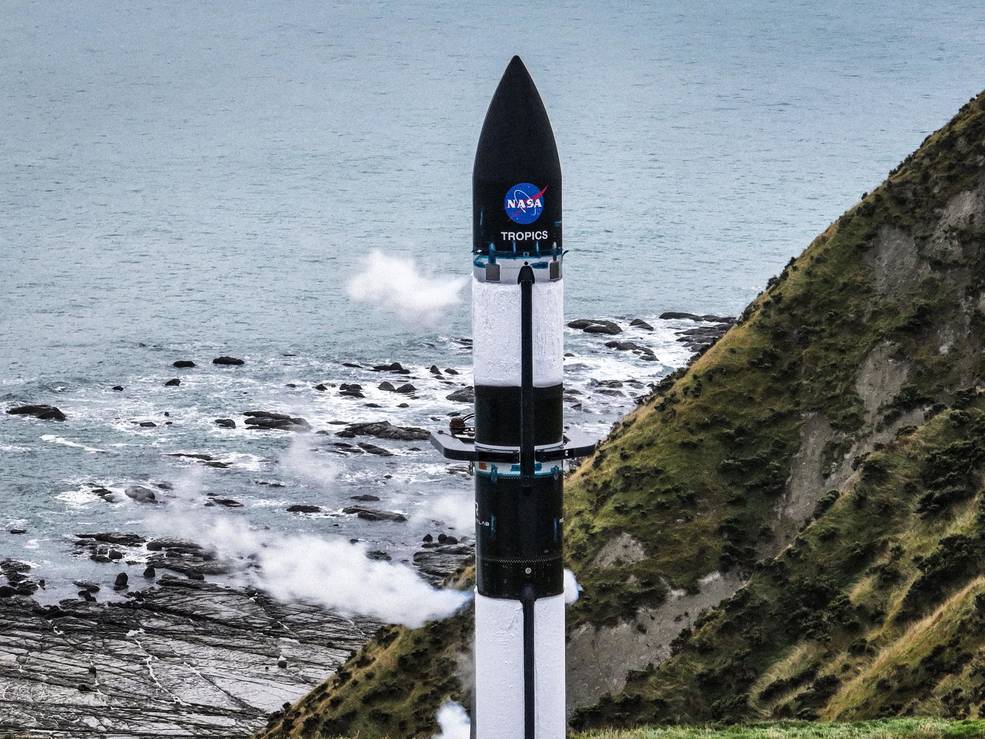
Image (Credit): Rocket Lab’s Electron rocket at Launch Complex 1 in Mahia, New Zealand. (NASA)

On Sunday, the TROPICS mission was successfully launched after an earlier delay. The Rocket Lab Electron launch took place in New Zealand and involved two small CubeSats tasked with monitoring deadly storms. This is the first pair to be launched, with a total of four satellites planned to accomplish the TROPICS mission.

And yes, TROPICS is an acronym (fortunately) for Time-Resolved Observations of Precipitation structure and storm Intensity with a Constellation of Smallsats. And you thought the Congress was going crazy with its acronyms for legislation.

You can read more about the TROPICS mission here.

Happy Black Hole Week!

Image (Credit): NGC 5283, as captured by the Hubble Space Telescope, with its active galactic nucleus, which is at the heart of a galaxy where a supermassive black hole exists. (NASA, ESA, A. Barth (University of California – Irvine), and M. Revalski (STScI); Processing: Gladys Kober (NASA/Catholic University of America)

Yes, I know. This is too many celebrations over an eight-day period, starting with Astronomy Day last Saturday. But who cannot be excited by Black Hole Week?

If you missed the various NASA-sponsored events over the past week, you can find them here.

Check out the presentation of the largest black holes from Monday’s presentation. It puts it all into very scary perspective.

And you can learn plenty more about black holes by visiting this NASA page.

Space Quote: Russia Has Been a Good Space Partner, China Not so Much

Image (Credit): The Russian Segment of the International Space Station (ISS) (http://www.russianspaceweb.com/)

“We built the International Space Station with the Russians. What a contrast, with the Chinese government,…They are secretive, they are non-transparent. They will not share when Earth is threatened by one of their tumbling rockets coming back in, they will not share their trajectories, so it’s a huge difference in the way we approach our civilian space program with the Russians visa vie the Chinese.”

-Statement by NASA Administrator Bill Nelson during a recent interview with the Canadian CTV ‘s  Power Play. Of course, NASA has been prohibited from coordinating with China on space issues since 2011, so it should be no surprise that the Chinese have gone their own way.

A Day in Astronomy: The Hubble Space Telescope is Launched

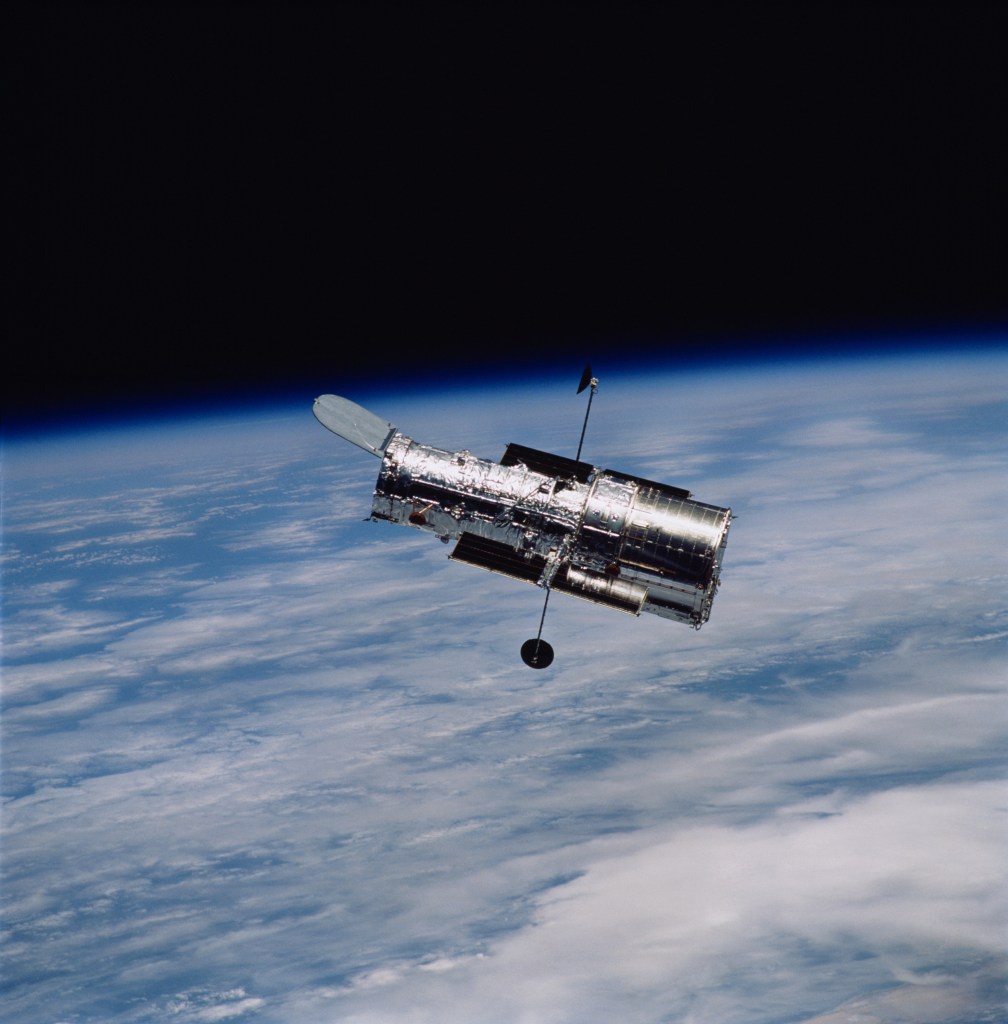
Image (Credit): The Hubble Space Telescope orbits with Earth in the background. (NASA)

On this day in 1990, NASA’s Space Shuttle Discovery launched the Hubble Space Telescope. We do not think of the shuttles anymore as we discuss reusable rockets, but the shuttles were the first reusable spacecraft-launching vehicles.

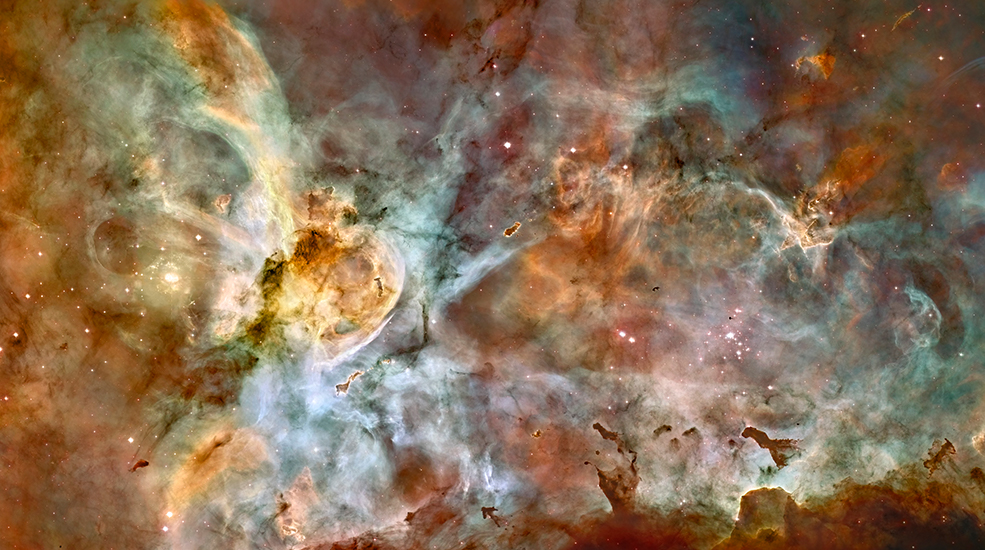
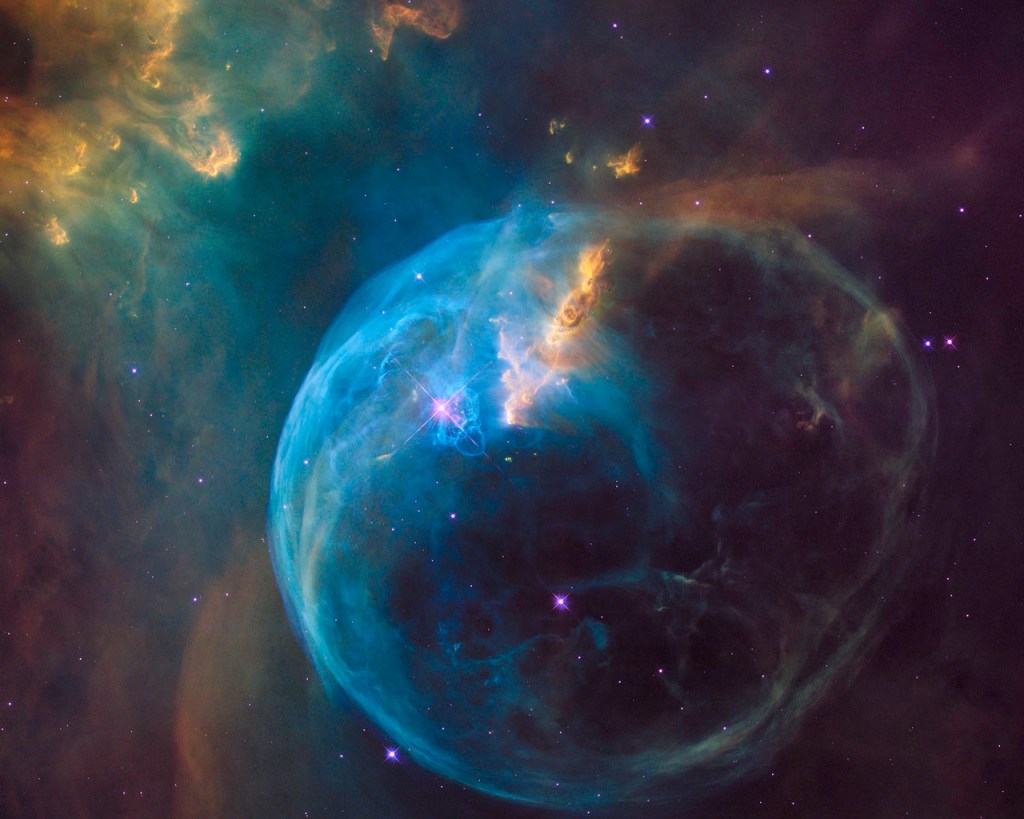
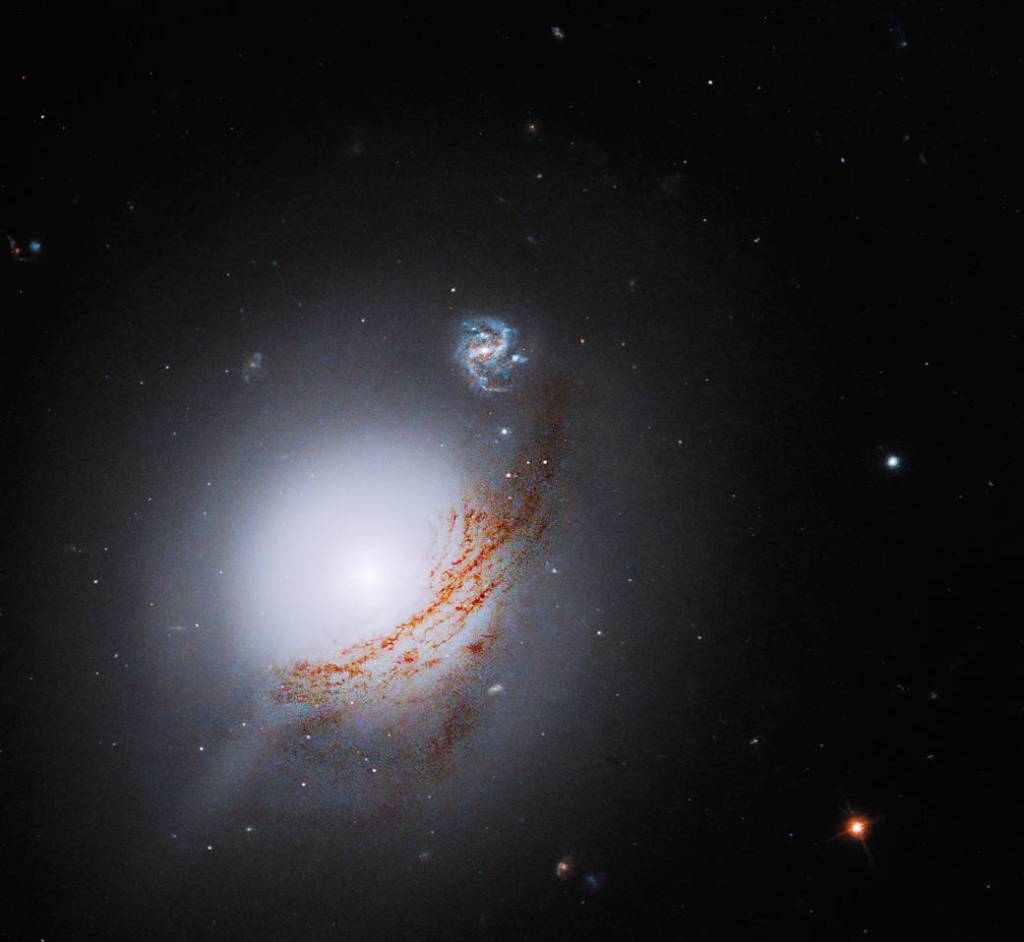
After some initial problems, the Hubble became a critical component in the exploration of the universe. Some of the telescope’s amazing images are shown below.

It is still going strong, even though its successor, the James Webb Space Telescope (JWST), is the more powerful of the two. Launched in late 2021, the JWST has expanded on some of Hubble’s earlier work. The pair are a powerful team.

Here are a few interesting facts about Hubble:

  • Hubble has made more than 1.5 million observations since its mission began in 1990.
  • Astronomers using Hubble data have published more than 19,000 scientific papers, making it one of the most productive scientific instruments ever built. Those papers have been cited in other papers over 1.1 million times.
  • Hubble has no thrusters. To change angles, it uses Newton’s third law by spinning its wheels in the opposite direction. It turns at about the speed of a minute hand on a clock, taking 15 minutes to turn 90 degrees.
  • Hubble has peered back into the very distant past, to locations more than 13.4 billion light-years from Earth.
  • Hubble’s mirror is about 7.9 feet (2.4 m) across. It was so finely polished that if you scaled it to be the diameter of the Earth, you would not find a bump more than 6 inches (15 cm) tall.
Image (Credit): The Carina Nebula. (NASA, ESA, N. Smith (University of California, Berkeley), and The Hubble Heritage Team (STScI/AURA)
Image (Credit): NGC 3603. (NASA, ESA and the Hubble Heritage (STScI/AURA)-ESA/Hubble Collaboration)
Image (Credit): The Horsehead Nebula, otherwise known as Barnard 33. (NASA, ESA, and the Hubble Heritage Team (AURA/STScI))