Space Stories: Satellite Returns to Earth, Watching the Moon Landing, and Kuiper Belt Surprises

Image (Credit): Artist’s rendering of the European Space Agency’s (ESA) Earth Remote Sensing satellite. (ESA/dpa/picture alliance)

Here are some recent stories of interest.

BBC: Pioneering European ERS-2 Satellite Burns Up Over Pacific

The two-tonne ERS-2 spacecraft burnt up in the atmosphere over the Pacific. So far, there have been no eyewitness accounts of the mission’s demise or of any debris reaching Earth’s surface. ERS-2 was one of a pair of missions launched by the European Space Agency in the 1990s to study the atmosphere, the land and the oceans in novel ways. The duo monitored floods, measured continental and ocean-surface temperatures, traced the movement of ice fields, and sensed the ground buckle during earthquakes.

ForbesNASA To Live-Stream Spacecraft Odie’s Moon Landing Thursday. Here’s How To Watch

Houston-based Intuitive Machines is targeting 5:49 p.m. EST on Thursday, February 22, to put its Odysseus lunar lander on the surface of the moon—and it will be streamed live on NASA TV on YouTube. The first U.S. commercial moon lander, Odysseus—also known by its nickname “Odie”—will touchdown near a crater called Malapert A in the south pole region of the moon. If successful, this IM-1 mission—which is taking a scientific payload to the moon—will be the first spacecraft from the U.S. to land on the moon since Apollo 17 in December 1972.

Science Alert: NASA’s New Horizons Discovered a Large Surprise in The Kuiper Belt

There may be a lot more than we thought to the belt of icy debris that circles the outer Solar System. Data from the New Horizons probe as it sails serenely through the Kuiper Belt hints at unexpected levels of particles where dust ought to be thinning out, suggesting the donut-shaped field extends significantly farther from the Sun than previous estimates suggest.

More Terra-forming on Earth

Image (Credit): Changes in land levels on the U.S. East Coast between 2007 and 2020. (Virginia Tech’s EOI Lab).

NASA is funding missions looking near and far to understand planets. One such study issued by scientists at Virginia Tech’s Earth Observation and Innovation (EOI) Lab, who used satellite data and ground-based GPS sensors, shows some ongoing changes here on planet Earth.

In reference to this study, NASA noted:

…the team reported that more than half of infrastructure in major cities such as New York, Baltimore, and Norfolk is built on land that sank, or subsided, by 1 to 2 millimeters per year between 2007 and 2020. Land in several counties in Delaware, Maryland, South Carolina, and Georgia sank at double or triple that rate. At least 867,000 properties and critical infrastructure including several highways, railways, airports, dams, and levees were all subsiding, the researchers found.

The study notes a number of reasons for these changes, including the after effects from the last ice age, man-made dams, and efforts to pump water back into aquifers. For example, in the case of Charleston, South Carolina, which is one of the fastest sinking cities on the East Coast, groundwater pumping is though to be the primary cause of this elevated rate of sinking.

This gives new meaning to the idea of keeping your eyes on the heavens, but also watching where you are stepping.

Volunteers Needed for Mars Study

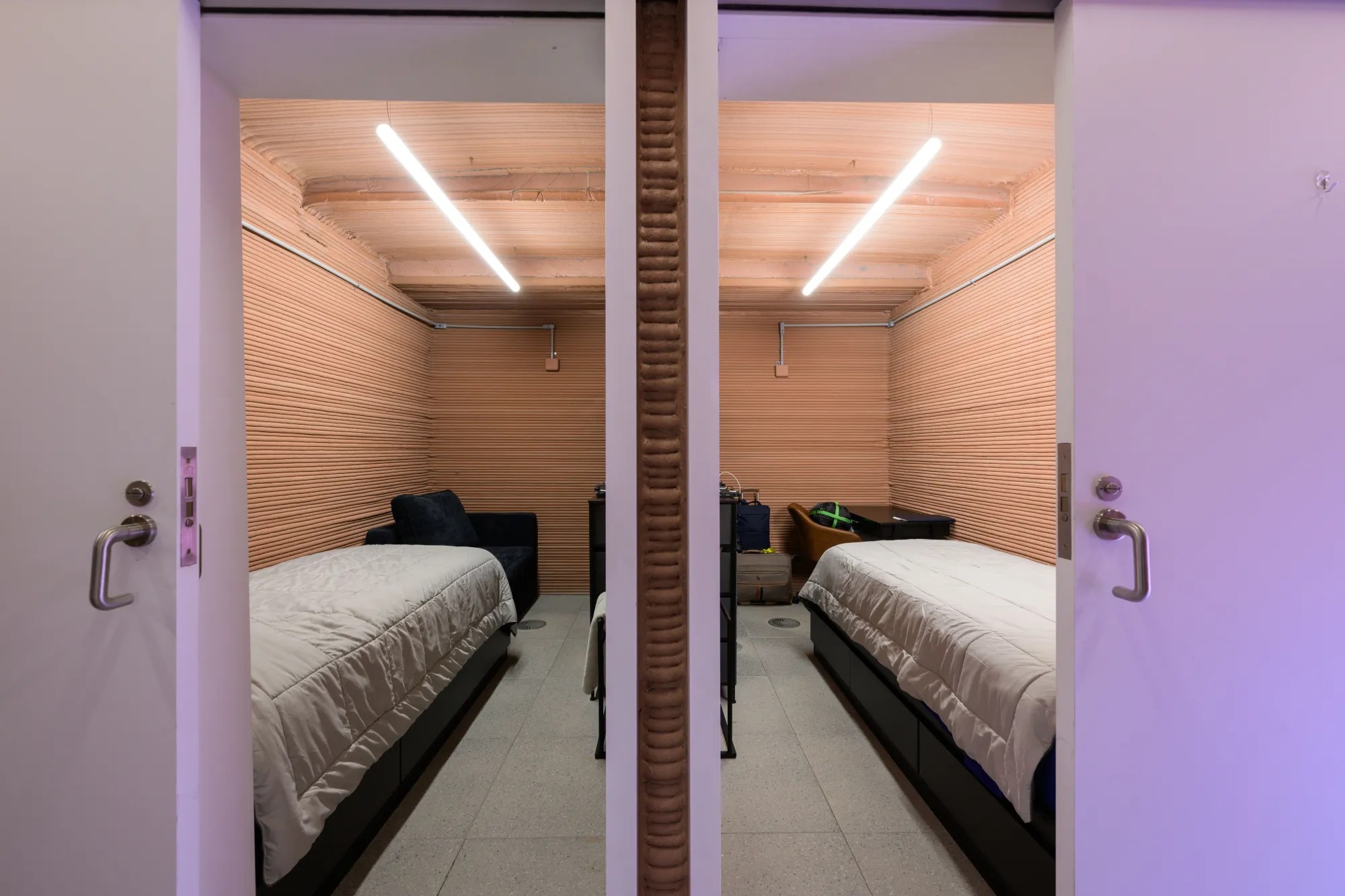
Image (Credit): A picture of the 1,700-square-foot CHAPEA habitat, which contains individual living quarters for four volunteer crew members. (NASA/Bill Stafford)

Are you a motivated U.S. citizen or permanent resident who is a non-smoker, 30-55 years old, and proficient in English for effective communication between crewmates and mission control? Are you interested in helping NASA with its Mars program? If so, you have until April 2nd to contact NASA and volunteer for its second Crew Health and Performance Exploration Analog (CHAPEA) mission, which is set to begin in spring 2025.

And what does this mission entail? You will live in a 3D-printed habitat (the Mars Dune Alpha) with three other crew members for about a year. The mission includes simulated spacewalks, physical and behavioral health and performance challenges, and more.

NASA goals for the CHAPEA mission is as follows:

To obtain the most accurate data during the analog, the analog mission will be as Mars-realistic as feasible, which may include environmental stressors such as resource limitations, isolation, equipment failure, and significant workloads. The major crew activities during the analog may consist of simulated spacewalks including virtual reality, communications, crop growth, meal preparation and consumption, exercise, hygiene activities, maintenance work, personal time, science work, and sleep.

It may sound like a return to the time of Covid, but this time the results will be recorded and used by scientists for future space programs.

If this sounds like something you might like to do, you should consider sending in an application.

Space Quote: A New Threat to Astronauts

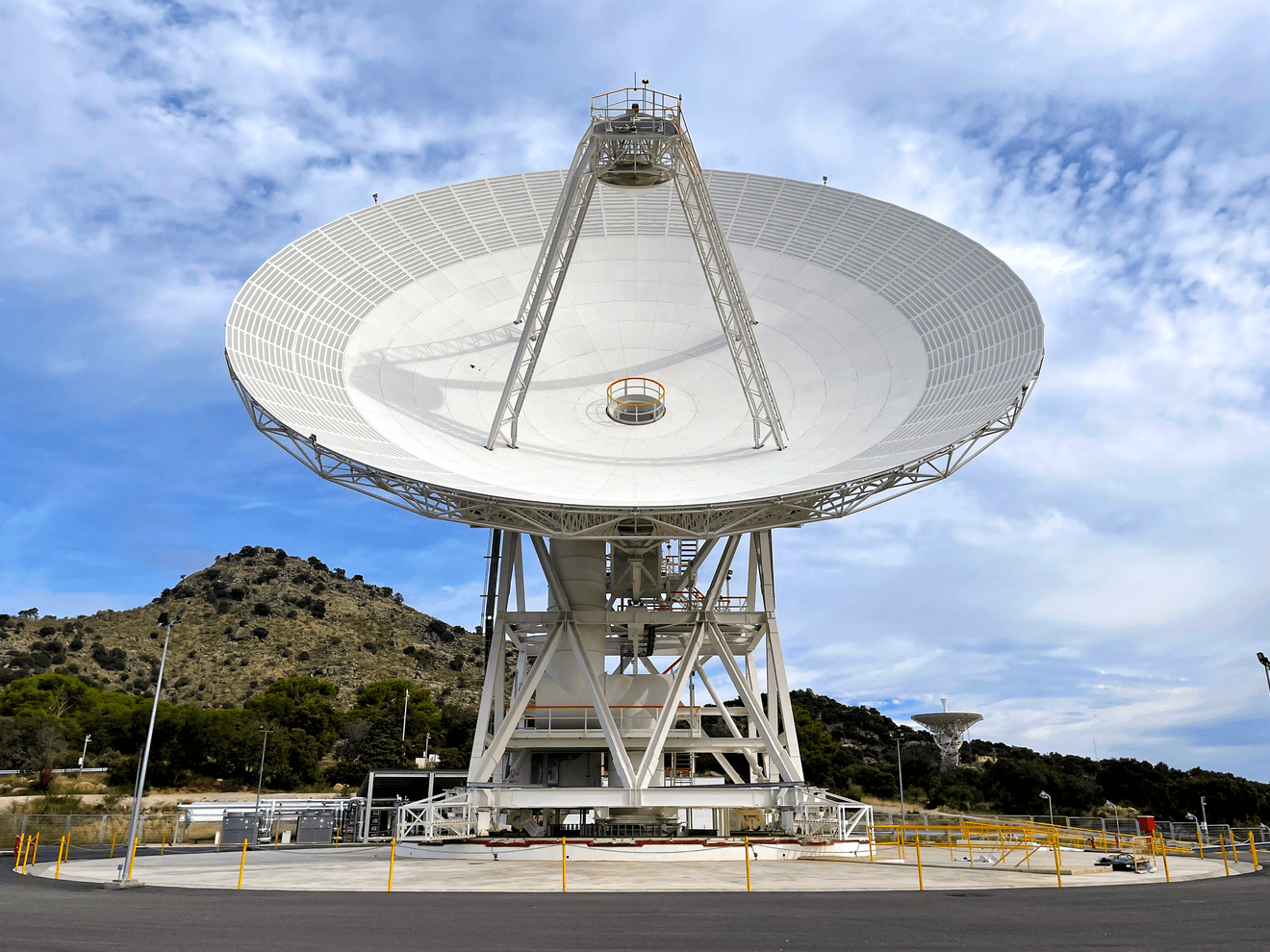
Image (Credit): The DSS-53 antenna at NASA’s Deep Space Network Madrid facility. (NASA/JPL-Caltech)

“And so, any capability that could disrupt that and that could therefore have some impact on services here on Earth and across the world should be of concern to anybody, I think. And including the fact that we have astronauts in — oftentimes in — in low orbit that — that could be at risk from an anti-satellite capability. So, you’re talking about potential human lives here too.”

-Statement during a press briefing by White House National Security Communications Advisor John Kirby regarding reports of a Russian nuclear anti-satellite weapon. Earlier in the week, Ohio Republican Rep. Mike Turner, who serves as the chairman of the House Intelligence Committee, shared sensitive information about this weapon with all Members of Congress.

Pic of the Week: The Launch of the IM-1 Mission

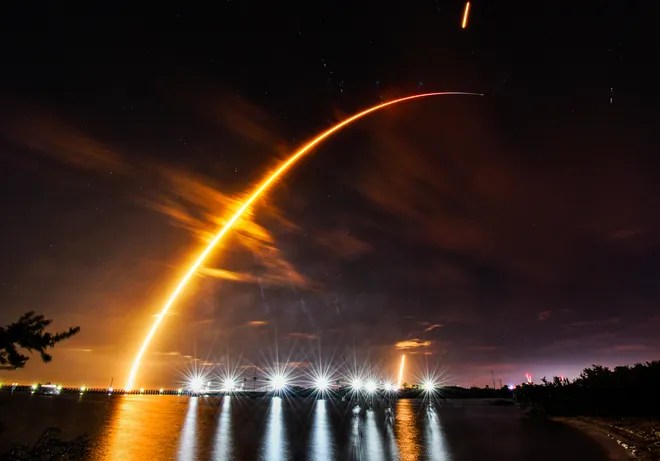
Image (Credit): Today’s launch of the Intuitive Machines IM-1 mission from the Kennedy Space Center. (Malcolm Denemark/Florida Today)

This week’s image shows the early morning launch of Intuitive Machines’ IM-1 mission via a SpaceX Falcon 9 rocket. The rocket carries the Nova-C robotic lander, also called “Odysseus,” that includes both NASA and commercial payloads. If all goes well, the lander will be on the surface of the moon next week.

This image from Florida Today is unique in that it is a time exposure showing both the launch from the Kennedy Space Center as well as the booster landing shortly afterward.

Credit: Intuitive Machines