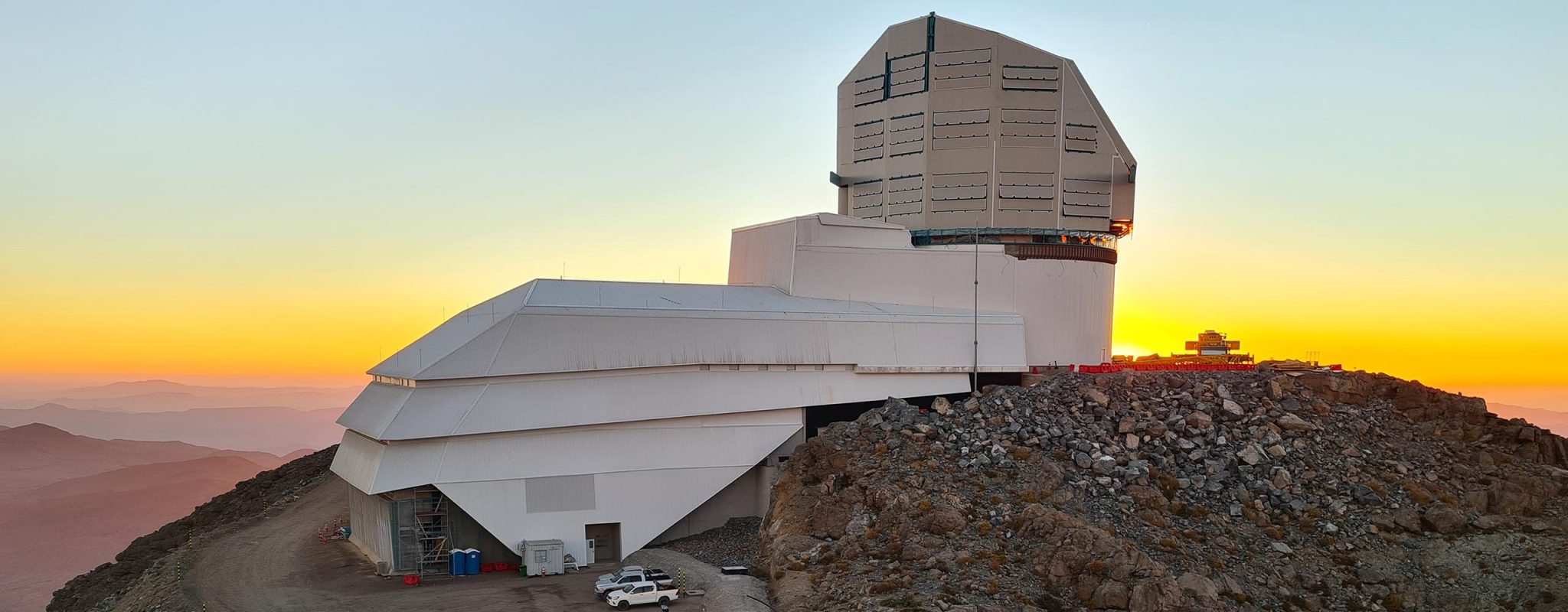
An astronomical alert system developed at the University of Washington started off with a bang this week, sending out 800,000 notifications about moving asteroids, exploding stars and other celestial changes detected by the Vera C. Rubin Observatory in Chile. Tuesday night’s surge was just the first wave of alerts. Eventually, the Alert Production Pipeline is expected to produce up to 7 million alerts per night. Astronomers around the globe will use the system to sift through the torrent of data, zeroing in on events ranging from newly detected asteroids to supernovas, variable stars and active galactic nuclei.
On Tuesday, March 3rd, the full Moon glides through the darkest portion of Earth’s shadow, called the umbra, to create a dramatic total lunar eclipse. In the Western Hemisphere, the event occurs in the hours before dawn, while across Asia it happens during the evening. During the eclipse, Earth’s shadow is seen gradually edging across the face of the full Moon until the entire lunar disk glows deep orange or red. Then the sequence of events unfolds in reverse order, until the shadow leaves the lunar disk completely and the Moon returns to full brilliance.
A renowned Caltech astronomer who studied distant exoplanets was shot and killed outside his home in a rural area near Los Angeles, the LA Times reported…Among his most notable contributions to the field was leading research published in 2007 that, for the first time, captured enough light from distant exoplanets to identify the molecules in their atmospheres…and soon made the “monumental” discovery of detecting signs of water on another planet.
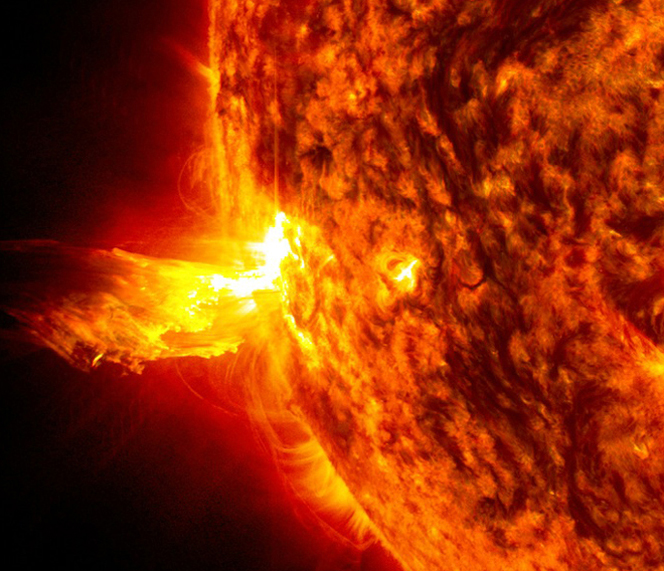
Image (Credit): A solar flare and eruption of solar material captured on June 20, 2013. (NASA/Goddard/SDO)
“These three unique missions will help us get to know our Sun and its effects on Earth better than ever before…This knowledge is critical because the Sun’s activity directly impacts our daily lives, from power grids to GPS. These missions will help us ensure the safety and resilience of our interconnected world.”
–Statement by Joe Westlake, Heliophysics Division director at NASA Headquarters, regarding Wednesday’s launch of three missions to investigate the Sun’s influence across the solar system – NASA’s Interstellar Mapping and Acceleration Probe (IMAP), Carruthers Geocorona Observatory, and the National Oceanic and Atmospheric Administration’s Space Weather Follow On-Lagrange 1 (SWFO-L1) missions.
After the summer’s yield, Lord, it is time to let your shadow lengthen on the sundials and in the pastures let the rough winds fly.
As for the final fruits, coax them to roundness. Direct on them two days of warmer light to hale them golden toward their term, and harry the last few drops of sweetness through the wine.
Whoever’s homeless now, will build no shelter; who lives alone will live indefinitely so, waking up to read a little, draft long letters, and, along the city’s avenues, fitfully wander, when the wild leaves loosen.
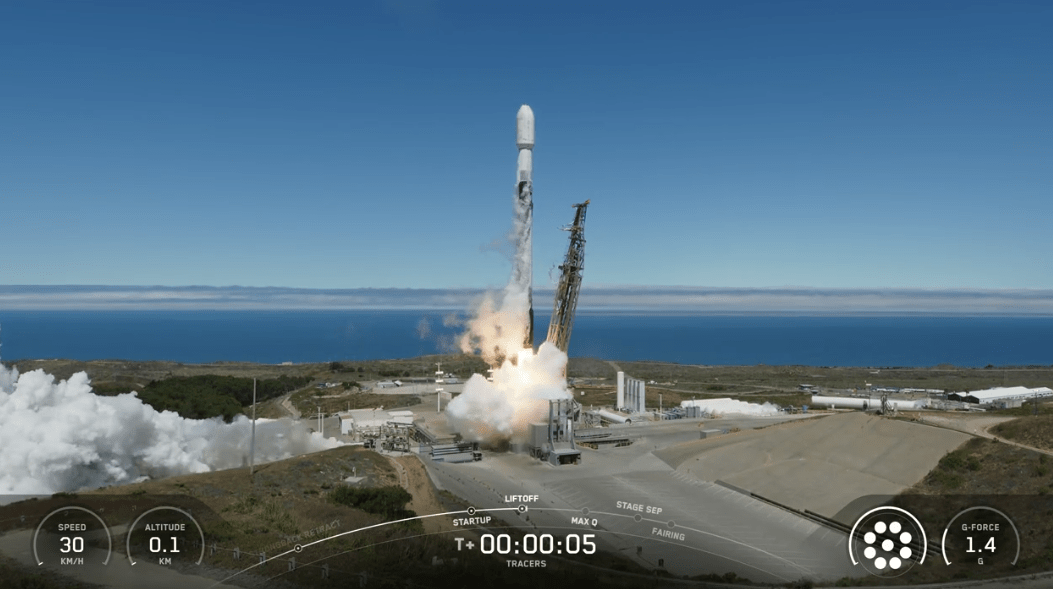
The TRACER mission’s goal is to study magnetic reconnection and its effects in Earth’s atmosphere. Magnetic reconnection is the interplay between solar winds and the Earth’s magnetic field.
The two satellites, each about the size of a washing machine, will be in orbit over both the North and South poles for the next 12 months taking measurements.
In this interview, David Miles, TRACERS Principal Investigator at the University of Iowa, answers a number of questions about the current mission, including:
Can you explain what space weather is?
Why was this mission designed to have two spacecraft instead of just one?
Why is understanding space weather important for protecting our astronauts as well as technology in space and on the ground?
You can learn even more about the mission from this NASA fact sheet.
It is encouraging to see scientific missions underway to better understand outside influences on our upper atmosphere. Let’s hope we can also maintain and expand on space missions that help us understand man-made influences on our atmosphere. Closing our eyes for political reasons is never a good idea.



 Our Awesome Universe