
Here are some recent space-related stories of interest.
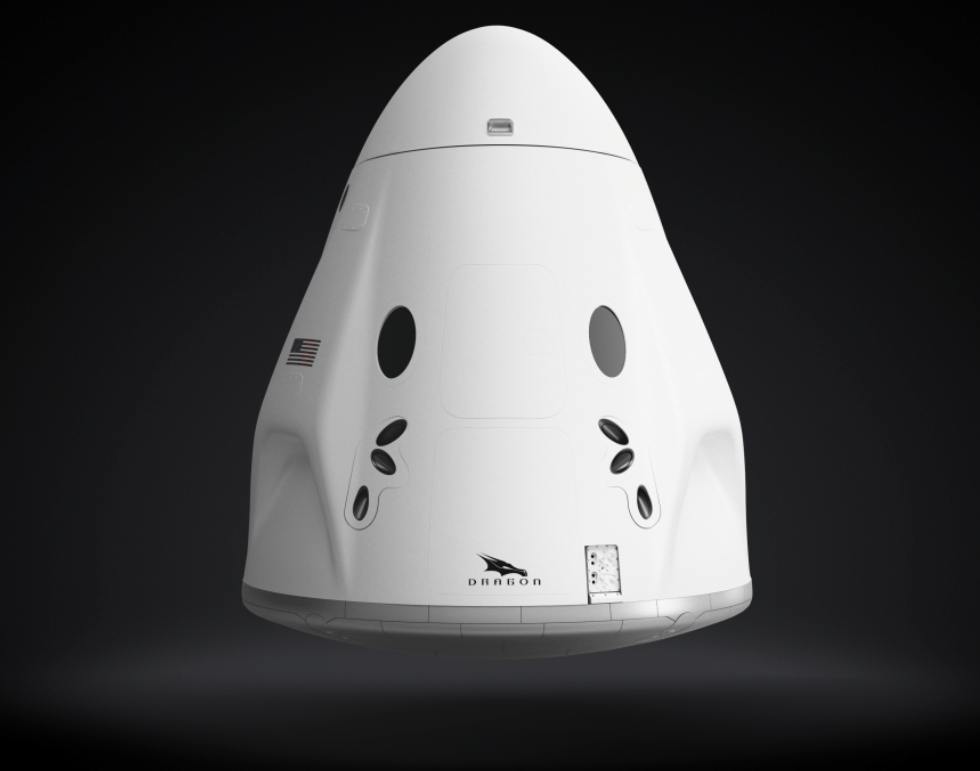
—Space.com: “SpaceX, NASA Delay Next Astronaut Launch to ISS Due To Leak on Dragon Spacecraft”
SpaceX’s next astronaut mission to the International Space Station won’t launch on Sept. 12 after all. That flight, known as Crew-13, has been delayed due to an oxidizer leak in the propulsion system of SpaceX’s Dragon spacecraft, NASA announced on Saturday (Aug. 29). Joint NASA and SpaceX teams are performing additional tests and data review and will complete any necessary rework prior to launch,” NASA officials wrote in an update on Saturday. “A new target date will be announced once available.”
—Earth.com: “Giant Black Holes Appeared Too soon After the Big Bang, and Astronomers May Know Why“
Nearly every large galaxy keeps a giant black hole at its center. Some of those giants already weighed a billion Suns when the universe was less than 700 million years old. Astronomers have struggled for decades to explain how anything grew that heavy that fast. A new study built on James Webb Space Telescope observations suggests one possible answer. The researchers describe a young black hole wrapped in gas so dense that the whole object shines like a single enormous star. Astronomers call objects like it black hole stars. The light from this one has been traveling for 13 billion years, since a moment just 660 million years after the Big Bang, and no earlier example has been found.
—Caltech: “Thermal Anomaly Discovered Below Mars’s South Pole“
Based on gravitational measurements that give clues to the Red Planet’s interior structure, Mars’s interior southern hemisphere is around 200 to 400 degrees Celsius warmer than the northern half of the planet and partially molten. The surprising finding adds additional context to Martian history and the periods of time in which it may have hosted conditions favorable for life. The research was led by Caltech alumnus Alexander Berne (PhD ’26), who is now a postdoctoral associate at the University of Arizona. The findings are reported in a paper appearing in the journal Nature on August 27.
Note: Here is the podcast version of this post.

