Image (Credit): Launch of the Progress 92 cargo craft from the Baikonur Cosmodrome in Kazakhstan. (NASA)
Russia launched another cargo mission to the International Space Station ((SS) yesterday. A Soyuz rocket launched the Progress 92 spacecraft towards the space station at 3:32 pm ET from the Baikonur Cosmodrome in Kazakhstan. The spacecraft will dock with the ISS tomorrow afternoon, ensuring critical supplies are available to the crew member.
In the meantime, you can watch a Fourth of July message from NASA’s Expedition 73 Flight Engineers Anne McClain, Nichole Ayers, and Jonny Kim.
Image (Credit): NASA Astronaut Terry Virts. (NASA)
It is a disaster. You know, NASA’s budget overall is cut by a quarter — this is proposed — and the science budget is cut by half. Here in Houston — you know, I’m from Houston — it’s going to be a disaster. Thousands and thousands of people are going to lose their jobs. They’re already having profoundly negative effects on the space station’s science ability — the ability to do science on the International Space Station that I helped build and commanded. They are going to cut important space probes. I saw there’s going to be 41 space missions that are canceled. There’s over a dozen space missions that are currently in operation, things like New Horizons, Juno and others that are costing pennies on the dollar. These things are super cheap. We’ve already paid all the expense. We should just keep them operating, and they’re going to cancel those. It’s just a disaster.
-Statement by former NASA astronaut Terry Virts, who last week announced his plans to run the U.S. Senate in Texas to replace incumbent Senator John Cornyn. He made this statement after being asked “What is your take on the White House’s proposed NASA budget?” during an interview with Space.com.
I’m glad to hear that NASA is working with Netflix to expand the amount of space stories available to the public.
This summer Netflix will make NASA+ live programming available to its customers, meaning more of the public can watch interviews with astronauts, the launch of space missions, and the happenings aboard the International Space Station (ISS). NASA also has plenty of entertaining videos about astronomy, various space missions, and more.
Of course, all of this is already available to the public for free on NASA’s website, but maybe this can draw in those eager viewers searching around for something to watch and not already aware of the website.
Any attempts to bring more attention to NASA’s amazing science and ongoing discoveries is good publicity as well as great programming.
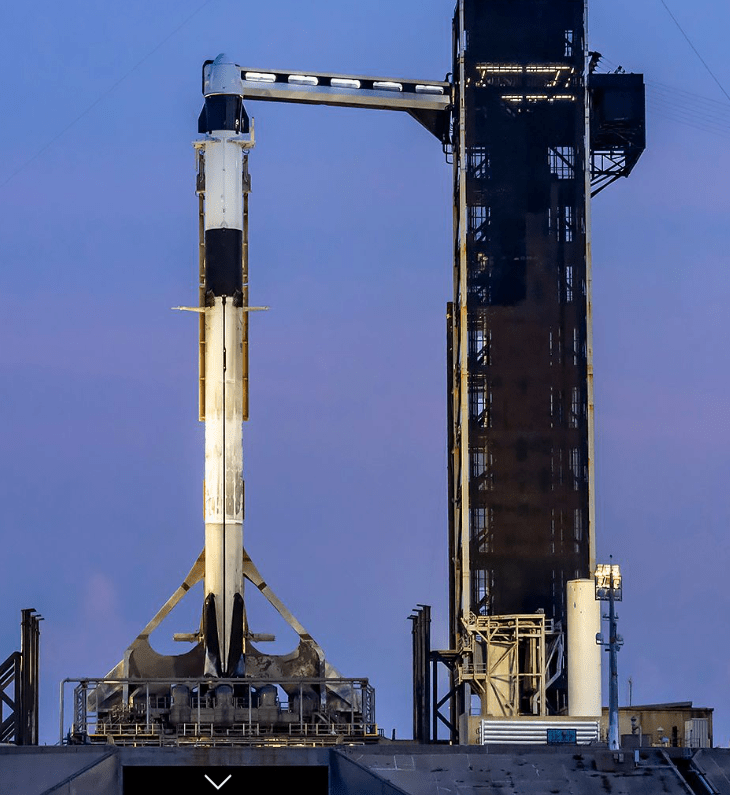
Image (Credit): Falcon 9 rocket on the lauch pad with Axiom Space’s Axiom Mission 4. (SpaceX)
“NASA and Axiom Space are postponing the launch of Axiom Mission 4 to the International Space Station. As part of an ongoing investigation, NASA is working with Roscosmos to understand a new pressure signature, after the recent post-repair effort in the aft most segment of the International Space Station’s Zvezda service module.”
–Statement by NASA regarding an leak in the Russian section of the International Space Station (ISS) that has yet to be resolved. This may slow down some of the space tourism to the site, such as the already delayed Axiom Mission, but it is more important to get this right rather than risk additional lives on the station. Axiom Space stated that the launch of the mission will be no earlier than June 19.
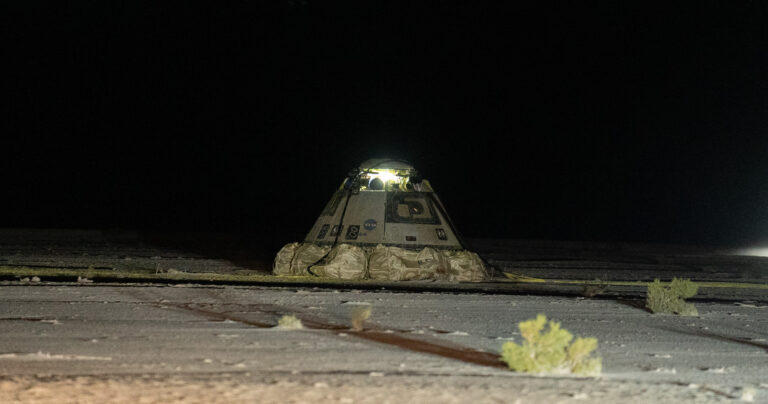
Image (Credit): Boeing’s Starliner safely on the ground last September after returning from the ISS without its crew. (Boeing)
It was this time last year – June 5th to be exact – that Boeing’s Starliner spacecraft was launched aboard a United Launch Alliance Atlas V rocket towards the International Space Station (ISS). Hopes were high, but then things started to unravel.
NASA is saying very little. A USA Today story from last week stated the newspaper was told that NASA
…is assessing the earliest potential for a Starliner flight to the International Space Station in early 2026.
Boeing is staying pretty quiet on its Starliner mission update website. It has not posted anything on this page since September 7, 2024.
NASA was a little more open about events back in March, posting that the crew certification of the Starliner system was still underway, and stating:
Our investment in commercial crew transportation capabilities is providing the needed flexibility to operate in space as safely as possible and respond to changes quickly when they arise. NASA is seeing the commitment from Boeing to adding the Starliner system to the nation’s crew transportation base.
We may need a few more statements from NASA addressing this “needed flexibility,” while also offering up alternatives to the SpaceX monopoly. That is, an alternative that does not include the Russians saving us, though it could come to that in an emergency.