Space Stories: Dozens of Space Missions Cancelled, NASA Climate Cuts Impact Industry, and Budget Cuts Hurt Huntsville

Credit: Image by Mohamed Hassan from Pixabay.

Here are some recent stories about the planned budget cuts at NASA.

—USA Today: “Dozens of NASA space missions could be axed under Trump’s budget: Here’s a look at 6“

A total of 41 science projects would get the ax under the proposal, which would be NASA’s biggest single-year cut in the agency’s history, according to the Planetary Society. Many of the science missions President Donald Trump looks to cancel are still in development, while others are extended operations with uncrewed vehicles already deployed to orbit. Here’s a look at six different types of space missions, from Mars exploration to future moon landings, that could be under threat if Trump’s budget were to go into effect.

—Politico: “The Domino Effect of Trump’s NASA Climate Cuts“

President Donald Trump wants to decimate NASA’s climate research capacity. That could ultimately disrupt multiple sectors of the economy, writes Scott Waldman. In the White House budget documents released last week, Trump proposed slashing a quarter of NASA’s funding, specifically targeting the agency’s research on climate change. But many of NASA’s instruments that track human-caused climate change provide other critical data. The agriculture industry, for example, relies on satellites and instruments that not only track climate change but also keep tabs on shifts in climatic zones that affect plant growth. Trump wants to eliminate funding that keeps those tools operational.

—Advance Local: “Trump’s Budget Puts Huntsville-made Spacecraft on the Chopping Block“

NASA is being directed to phase out multibillion-dollar programs, managed from its flagship center in Huntsville, that are designed to ferry people to and from the moon…Eliminating SLS and Orion will, “[pave] the way for more cost-effective, next-generation commercial systems that will support subsequent NASA lunar missions,” according to budget documents. Both are key programs for Marshall Space Flight Center, one of the largest of NASA’s 10 field centers, which employs nearly 7,000 federal workers and contractors in Huntsville and manages a multibillion-dollar budget related to human spaceflight.


The Atlantic Council Likes Space Robots

Credit: Image by Christopher White from Pixabay.

If you have not heard of the Atlantic Council you are not alone.

The Atlantic Council defines itself defines itself as a nonpartisan organization that is “…an essential forum for navigating the dramatic economic and political changes defining the twenty-first century by informing and galvanizing its uniquely influential network of global leaders.”

So what does it have to say about the current state of the US space program? It seems to want more robots, artificial intelligence, and virtual reality. It also claims China is moving in this direction.

In a recent article, the Atlantic Council proposed the following to improve the space program for this century:

  • Modernize NASA’s organizational structure by integrating the robotic and human initiatives;
  • Reformulate NASA’s Artemis campaign by changing its plan so that early flights are robotic, with work and preparations being performed by intelligent machines ahead of crewed missions; and
  • Equip lunar robots with virtual reality so intelligent space exploration machines could enable scientists, engineers, and others on Earth to become active participants in the exploration of the Moon, distant planets, and beyond.

Fortunately, the article is not recommending the removal of humans from space flight, but rather the use of technology to enhance these missions, reduce overall costs, and broaden public and scientific support. This would include the expansion of private sector involvement. It’s not a bad idea as NASA struggles with the Artemis mission and potentially other missions due to budget cuts.

Of course, the amazing telescopes that we are trying to maintain and expand upon are already top of the line technology that have expanded public support for astronomy, but this has come at great cost (exceeding cost projections) and has not been protected from budget cuts.

A mix of approaches sounds fine, but a reliable flow of funds with clear expectations also sound nice. We are not going to get that with this White House based upon what we have seen so far. Just finding a leader for NASA that is palatable to the White House is proving impossible.

New ideas should always be welcome, but what is really essential at the moment is stable leadership. Without that all other efforts will go nowhere.

NASA Administrator Nominee To Be Replaced

Credit: Image by succo from Pixabay.

The White House has changed its mind on Jared Isaacman, the nominee for NASA administrator who was ready to be confirmed by the US Senate. A friend of Elon Musk, Mr. Isaacman made the mistake of giving donations to a few Democratic candidates in the past. This is forbidden unless you are Donald Trump, who has made many donations to Democratic candidates over the years, including Hillary Clinton.

NBC News noted that President Trump stated:

After a thorough review of prior associations, I am hereby withdrawing the nomination of Jared Isaacman to head NASA…I will soon announce a new Nominee who will be Mission aligned, and put America First in Space.

It is not clear how political donations has anything to do with putting America first, but this is all we know to date.

Mr. Isaacman has been unceremoniously tossed aside just as Elon Musk is stepping down from his DOGE role after badmouthing the recent Republican House budget bill. Is there a connection?

All we know is that Mr. Musk is losing a friend and customer in the NASA role with Isaacman’s departure. This does not come at a good time as SpaceX struggles with its Starship rocket.

It appears Mr. Musks plans are undergoing a rapid unscheduled disassembly.

Update: Jared Isaacman tweeted about the recent news, stating, in part:

I am incredibly grateful to President Trump @POTUS, the Senate and all those who supported me throughout this journey. The past six months have been enlightening and, honestly, a bit thrilling. I have gained a much deeper appreciation for the complexities of government and the weight our political leaders carry.

Space Quote: US Astronomy Students Are Looking Overseas

Credit: Image by Kamil from Pixabay.

“Historically we’ve been a department that has really tried to make a culture where people minoritized in the field feel like they have a home…The current administration is really driving against that, which has really caused a lot of damage to how people are feeling about their place in astronomy, and whether they feel they have a place here in our country.”

-Statement by University of California Santa Cruz (UCSC) Astronomy & Astrophysics department chair Jonathan Fortney in a Lookout Santa Cruz article. He was discussing recent federal cuts at UCSC as well as NASA. He said his students are looking overseas now for educational and career opportunities given the continuing cuts in US astronomy programs.

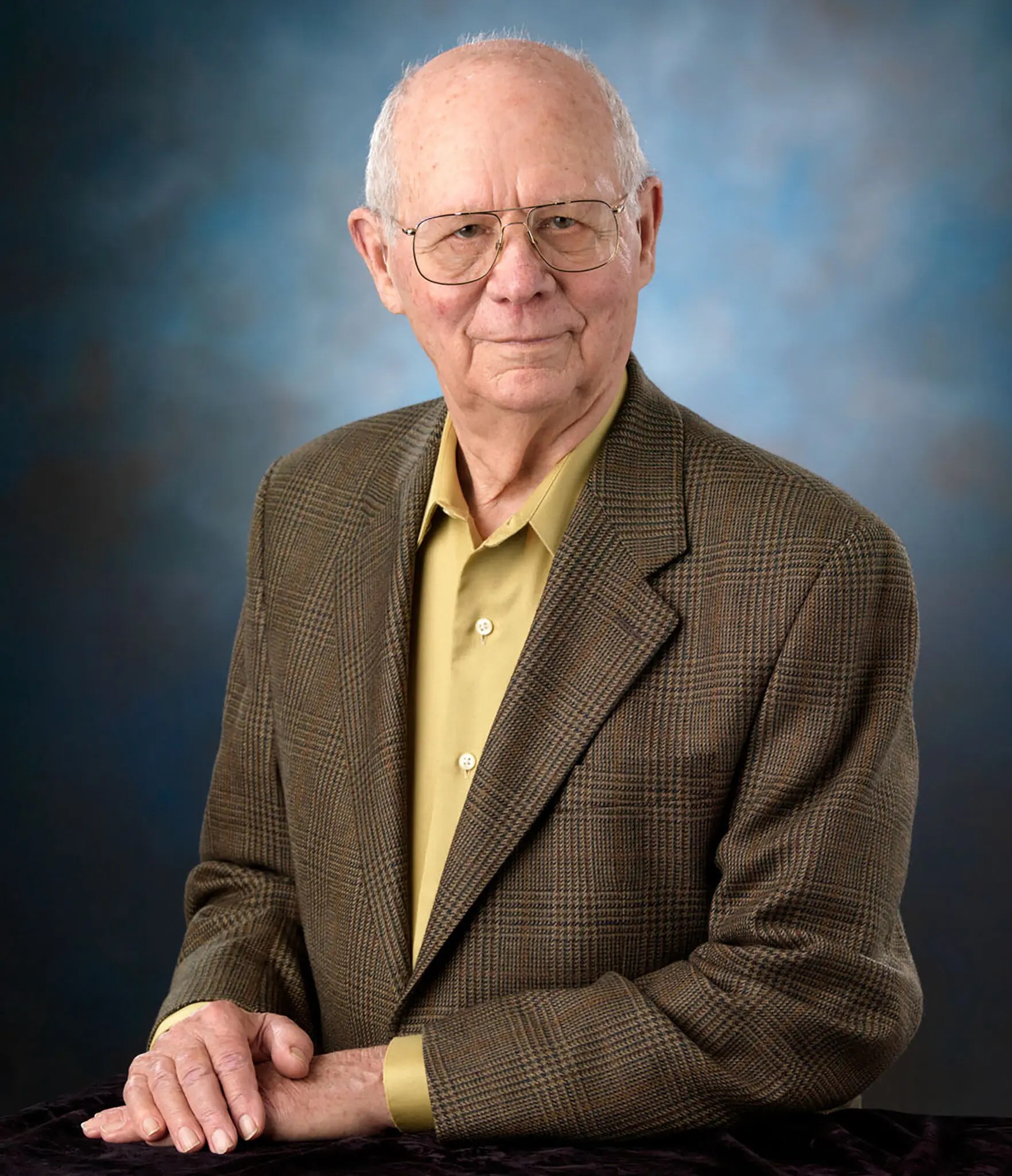
RIP: Ed Smylie, NASA Engineer

Image (Credit): Former NASA engineer Ed Smylie. (Bill Stafford/NASA)

Last month, former NASA engineer Ed Smylie passed away at the age of 95. He is best known for his efforts leading a NASA team that saved the Apollo 13 crew after the capsule experienced the onboard explosion of an oxygen canister. His quick efforts saved the crew, allowing them to return home safely. You can see it all in color by watching the film Apollo 13.

Mr. Smylie left Douglas Aircraft Company and joined NASA after President Kennedy made it clear that the nation would put a man on the Moon. Luckily, he was there at NASA when he was needed.

In a 1999 interview about his efforts to save the Apollo 13 mission, he was very self-effacing about his role in the entire effort:

It was pretty straightforward, even though we got a lot of publicity for it and [President Richard M.] Nixon even mentioned our names. I always argued that that was because that was one you could understand nobody really understood the hard things they were doing. Everybody could understand a filter. I said a mechanical engineering sophomore in college could have come up with it. It was pretty straightforward. But it was important.

You can also read more on Mr. Smylie’s life and career at these sites:

Rest in peace.